Streets
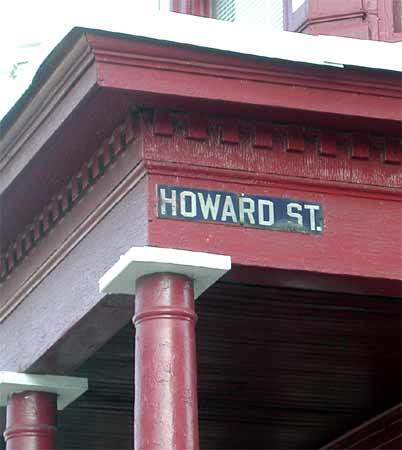
Howard Street
Howard Street ran for two blocks in North Camden, from State Street north to Erie Street, parallel to North Front and North 2nd Streets. It was already laid out and built up by 1887.
Tag
Howard Street ran for two blocks in North Camden, from State Street north to Erie Street, parallel to North Front and North 2nd Streets. It was already laid out and built up by 1887.
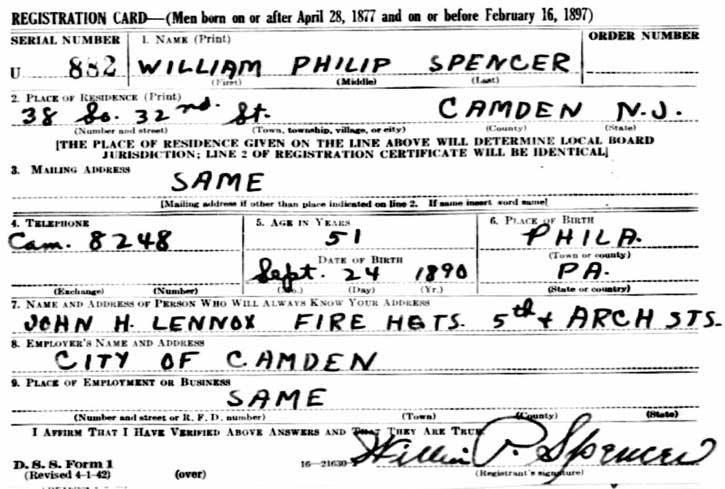
William Philip Spencer (1890–1946) served in the Camden Fire Department from 1925 until his death in 1946, promoted to Captain on April 2, 1940. A World War I veteran who served in France, he was a charter member of the Box 315 Association and won a three-cornered fight for vice president of the Camden Police and Firemen's Association in 1933.
Technician Fourth Class Isaac Z. Gosling (1911–1942) was born in Camden to Boston and Elizabeth Gosling; the family had moved to 118 North 23rd Street by September 1918. Called to service in March 1941, he died of pneumonia in England on September 3, 1942 while serving with the 85th Quartermaster Depot Supply Company, and was buried at Beverly National Cemetery in 1949.
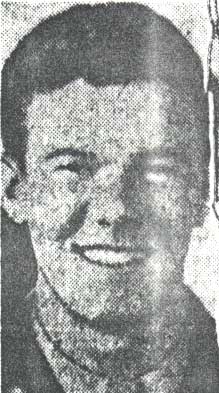
Staff Sergeant Frank J. Blair (1921–1944) of 987 North 23rd Street in Cramer Hill was a June 1940 graduate of Woodrow Wilson High School who served as a B-24 crewman with the 374th Bomber Squadron, 308th Bomber Group, based at Kunming, China. He was killed in action on July 13, 1944, and is listed on the Tablets of the Missing at the Honolulu Memorial.
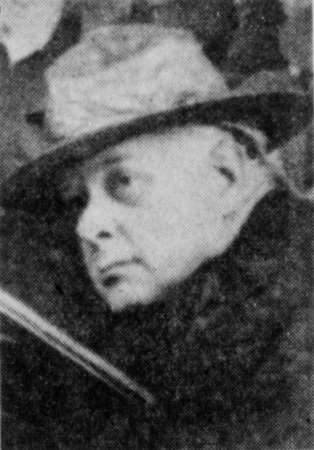
Ambrose Wesley "Wes" Faust served with the Camden Fire Department from 1951 to 1961, and later became a police sergeant with New Hanover Township, Pennsylvania, where he died on duty in 1977.
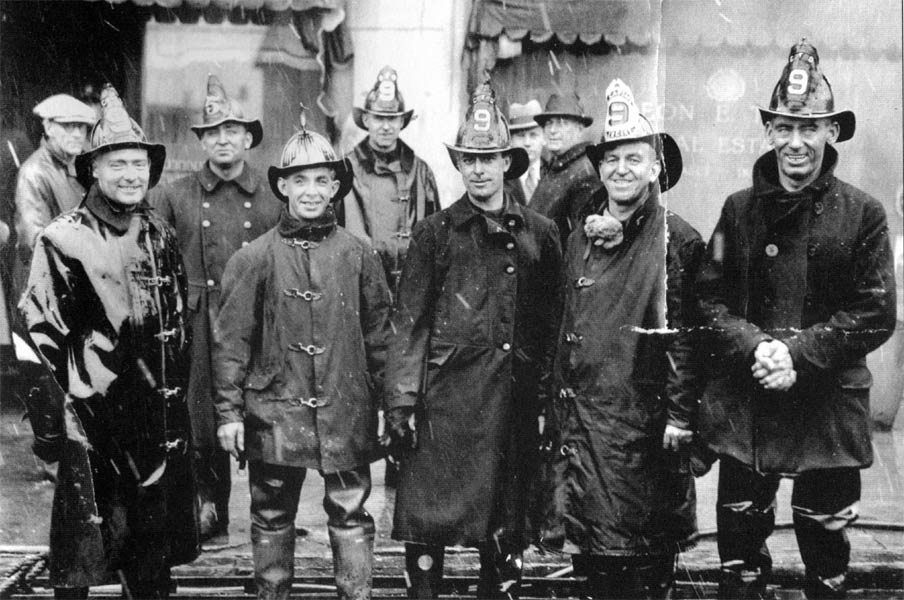
John C. Voll Jr. (1900-1979) was born in Camden and served the Camden Fire Department for 40 years, entering the department on January 15, 1925 and retiring on December 1, 1965. He lived his later years at 2737 Garfield Avenue in the Cramer Hill section of Camden.
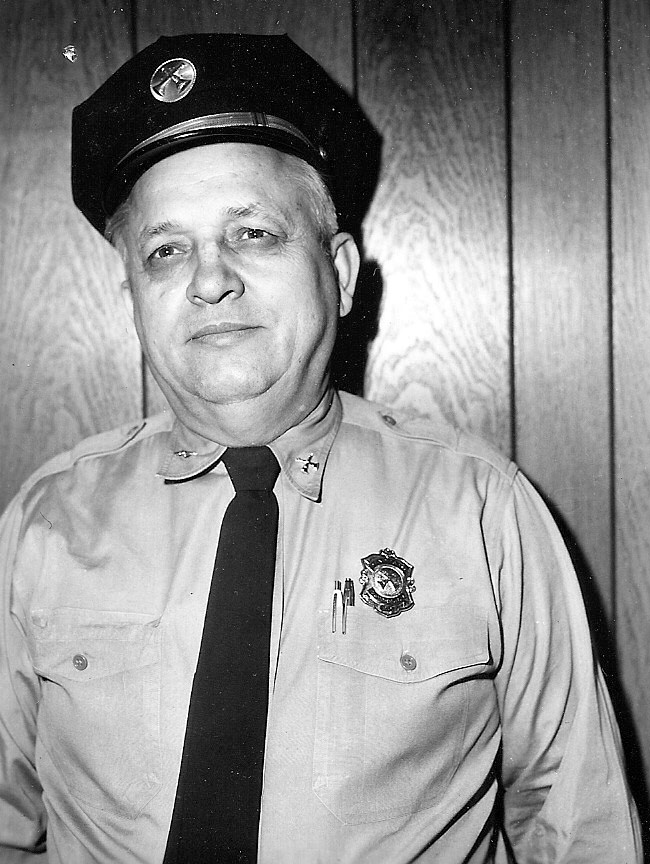
John Paul Gryckiewicz (1918–2006) served 40 years with the Camden Fire Department, rising to captain of Engine Company 6, and was decorated for heroism in multiple rescues. A World War II Navy veteran, he served as a chief machinist mate aboard the Camden-built USS South Dakota.
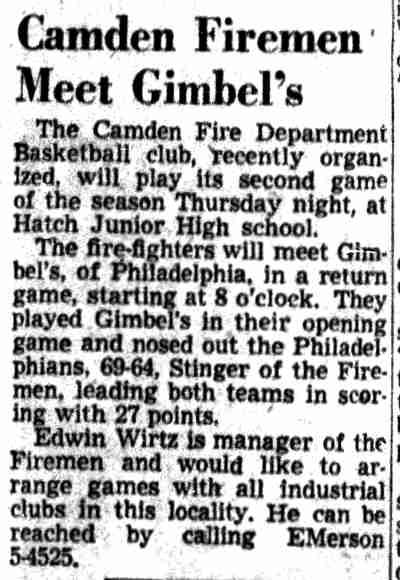
Edwin Stanley Wirtz (1914–1975), son of Camden policeman Stanley R. Wirtz and grandson of Camden fireman James McDade, was appointed to the Camden Fire Department in October 1943 and served 22 years, retiring in October 1965 as an inspector in the Fire Marshal's office.
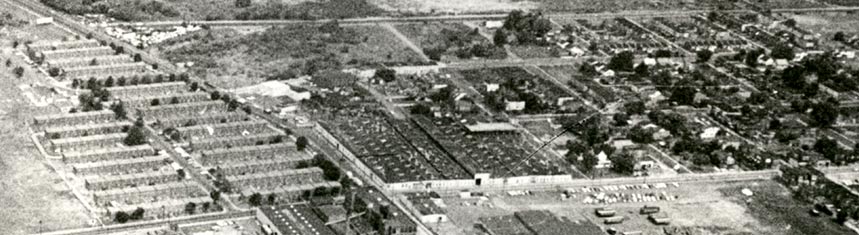
William Stanley Ablett Village is a 306-unit public housing project at River Road and State Street in the Cramer Hill section of Camden, built by the Housing Authority of the City of Camden during World War II and named for a Camden soldier killed in action in France during World War I.
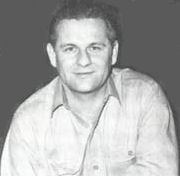
Adelbert J. "Duke" Kirk Sr. (1918-1989) was a Camden firefighter who was appointed to the Camden Fire Department on November 16, 1956 and served with Engine Company 3 until his retirement on December 1, 1981.
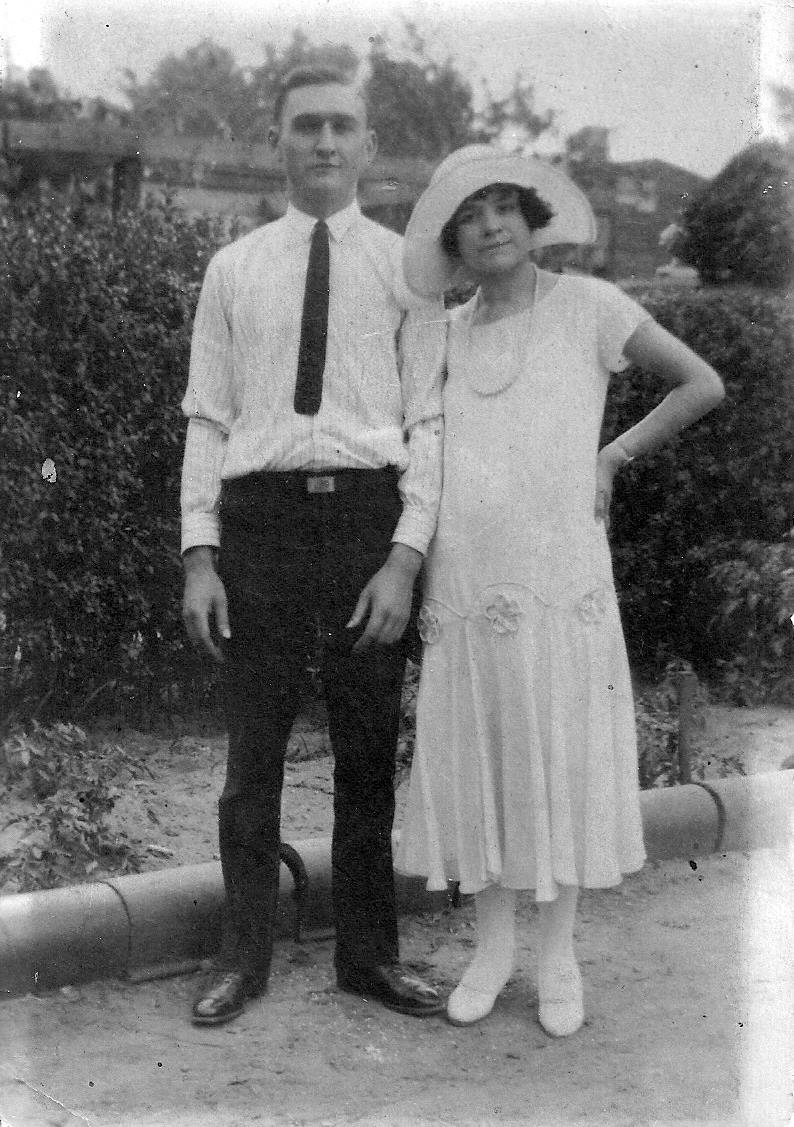
History of the Engel family of Camden — Julius and Mary Engel, immigrants from Slovakia and Hungary who settled in South Camden, and their son Frank Engel, who shot and wounded Howard Unruh during the 1949 Cramer Hill "Walk of Death."

Moore Street was a small street running east from North 9th Street toward the Cooper River, south of York Street. It appears in city directories as early as 1867, beside the Highland Worsted Mill.

Milton Street, with Byron and Burns Streets, made up Camden's Poet's Row in North Camden; it was the northernmost of the three and the last to be completed in the late 19th century.

Garrett Cowls was born in Camden on August 1, 1850, to William and Mary Cowls. His father worked for the railroad. Although Garret Cowls was too young to take part in the Civil War, he did serve in the United States Army during the Indian Wars.
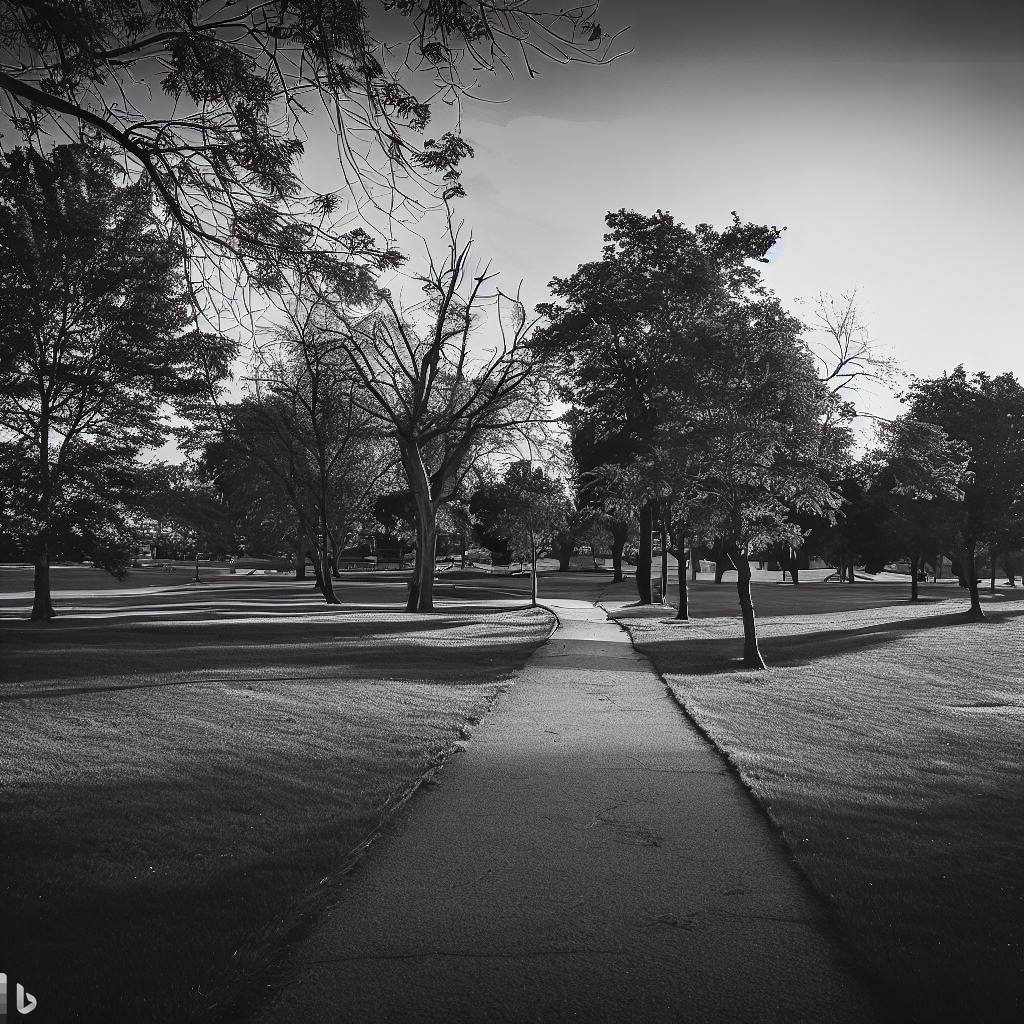
By Thomas A. Bergbauer , Retired Courier-Post Editor If you grew up in North Camden then you had to remember Pyne Point Park . They were synonymous.

State Street, established in 1856, runs from the Delaware River to the Cooper River in North Camden. Citizens petitioned for it to shorten the trip to markets and the ferry.

Reprinted from the series of stories of Camden's earlier days, under the title Sixty Years in Camden County - Gosh! by Will Paul, appearing in The Community news, of Merchantville, NJ.
In the directories of Camden City from 1887-1888, 1888-1889, and 1890-1891, Charles G. Berry is listed as a resident of 226 Point Street , working as a shoemaker in Philadelphia.

William Harry Deitz was born on May 16, 1937, in Philadelphia, Pennsylvania, to Frank C. Deitz and Caroline Deitz (née unknown).

Charles Taylor Humes Jr. was born in Camden, New Jersey, to parents Charles T. and Mary Humes. At the age of four during the 1880 Census, he was the eldest child in the family, with his younger brother George born in 1879.
Main Street is a diagonal street in North Camden running southeast from State and Point Streets. The 1878 city directory listed it as starting at the Vine Street Ferry.
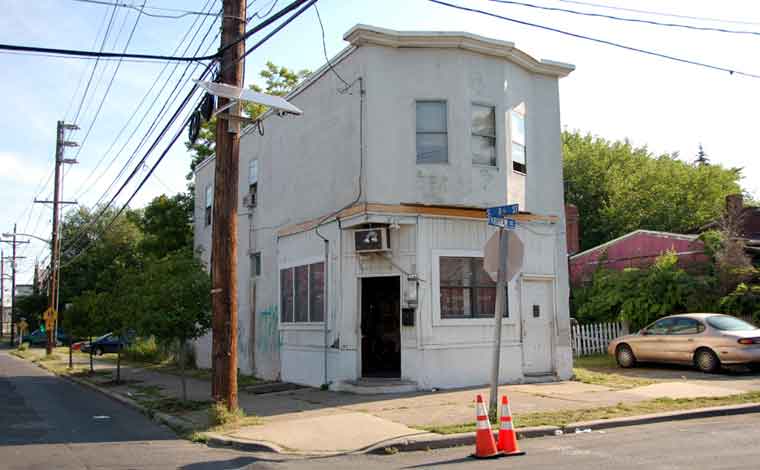
Eighth Street runs south to north, with a few major interruptions, from Morgan Boulevard to Pyne Point in North Camden — one of Camden's longest thoroughfares.

Poet's Row, the Byron, Burns and Milton Street homes in North Camden built in the 1890s and largely destroyed by a catastrophic 1972 fire.

Fourth Street, one of Camden's original streets, ran with few interruptions from Chelton Avenue in South Camden north to Pyne Point in North Camden. City-directory records, photographs, advertisements and newspaper clippings for every block from the 2000 block of South 4th Street to the 1000 block of North 4th Street.
HARRY C. ANDERSON was born in April of 1873 to Isaac Anderson and his wife, the former Sarah Madison. The family was living at 810 Kimber Street in North Camden when the census was taken in 1880.
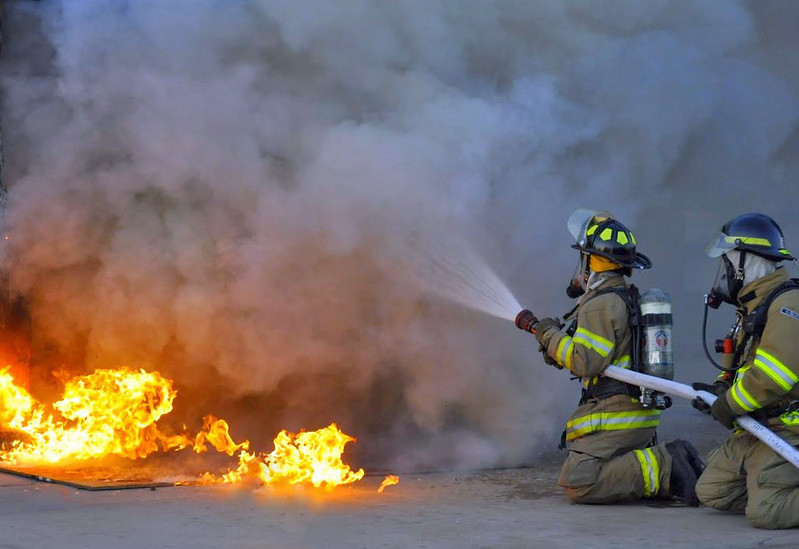
George B. Anderson was appointed to the Camden Fire Department on September 18, 1872, as a replacement extra man with Engine Company 2 . He filled the position left by William S. Davis , who had been promoted to Engineer.
Amanda Alloway, who was born in New Jersey in November 1843, had a notable life deeply intertwined with the historical tapestry of Camden, New Jersey.

ROBERT E. ALLENBACH was the Chief of Police in Camden, New Jersey from 1998 through 2004.

EDWIN FORREST ALLEN was appointed to the Camden Fire Department on October 9, 1872, as a replacement for David B. Sparks, who had resigned. He served as an extra man with the Hook and Ladder Company (present-day Ladder Company 1). He was resigned from his position with the Fire Department on June 30, 1873. He was replaced by John Gray. Edwin F. Allen was on occasion recorded as Edward F. Allen, however, Edwin was his given name.

GEORGE H. ALECK was born in Pennsylvania around 1860 to George and Christina Aleck. His family had moved to Camden by 1880, making their home at 523 North 4th Street in North Camden . He worked as a machinist at the time of the census.

Joseph A. Alcorn (1919-1958) was a Camden, New Jersey native and US Marine Corps veteran who founded Alcorn Motor Sales on Federal Street in East Camden.

WILLIAM E. ALBERT was born in New Jersey around 1870. He was the son of Ernest and Hannah Albert. Ernest Albert had emigrated to America from Wurttemburg in what is now Germany.
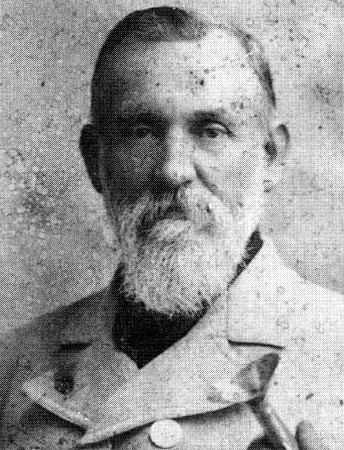
William Abels was born in Pennsylvania around 1839 to Andrew and Sarah Abels. His family was living in Wilmington in 1850.

Vincent Ariel Tydeman was born in New Jersey on August 24, 1883, to Edmund and Sarah Tydeman, who emigrated from England to the U.S. in 1878 with their nine children. The Tydemans welcomed another child, Florence, just before the 1880 census.
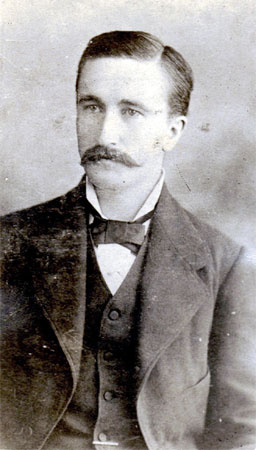
Dan McConnell (born c. 1873, Pennsylvania) was a Camden lightweight boxer of the 1890s and early 1900s, managed by Oscar A. Eastlack, who later ran an oyster house at 125 Main Street in North Camden.
Historical record of North Camden, a neighborhood of Camden, New Jersey, from the city's local-history archive.
My father, Joseph A. Alcorn , had a used car dealership on the corner of 15th and Federal Streets . He started the business with Skip Gardner as his partner in the late 40's and bought Skip out during that same period.
By Renee Winkler, Courier-Post Staff A Vietnamese immigrant who was a fugitive for nine years was sentenced Friday to 20 years in state prison for killing another Vietnamese man who had attempted to act as a peacemaker.

Camden Courier-Post - December 2, 1980 CAMDEN—The intense heat of a fire that killed four children here yesterday caused so much damage to their Erie Street row home that authorities are having trouble determining the cause of the blaze.

On the eve of his March 1980 retirement dinner, Camden fire captain John P. Gryckiewicz looked back on 40 years with the department — the rescues, the Garden State Race Track fire, 84-hour weeks and $60 paychecks, and a city he still loved.
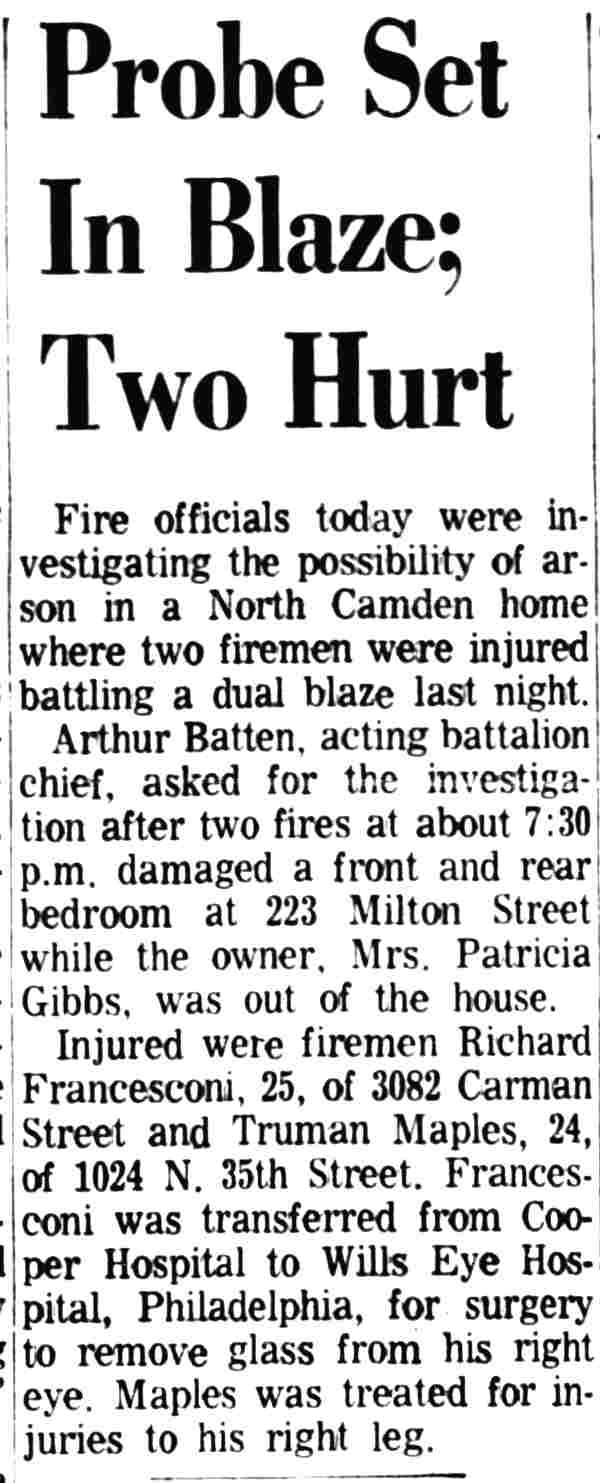
Acting Battalion Chief Arthur Batten requested an arson investigation after two fires damaged bedrooms at 223 Milton Street in North Camden and injured firemen Richard Francesconi and Truman Maples.
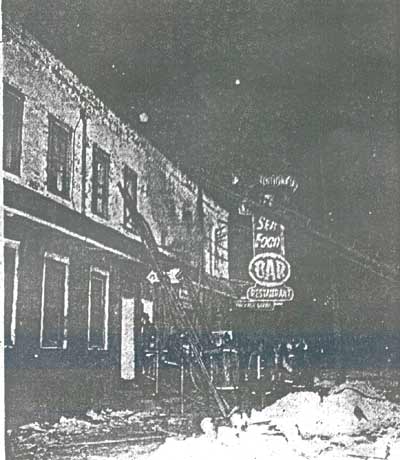
A rash of overnight fires in Camden during a February 1967 snowstorm destroyed Ray's Tavern at 5th and Mickle Streets and damaged four buildings; police and firemen rescued four elderly residents, and Acting Battalion Chief Arthur Batten's crew answered the second call for aid after fighting two North Camden blazes.
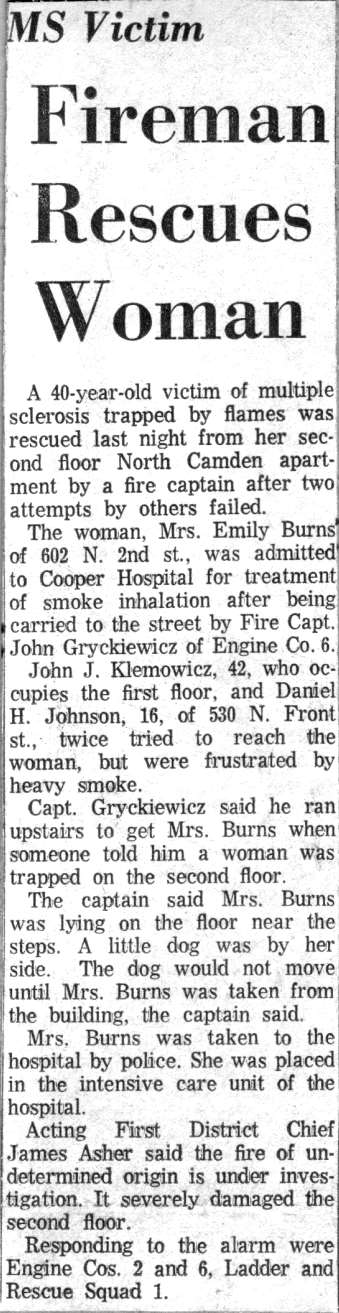
Fire Capt. John Gryckiewicz of Engine Company 6 carried Mrs. Emily Burns, a 40-year-old multiple sclerosis patient, from her burning second-floor apartment at 602 North 2nd Street in February 1965, after two civilian rescue attempts failed.

A Courier-Post account of a Pearl Street fire in which Capt. John Gryckiewicz carried a resident to safety; District Chief Howard Gick described the blaze.

Mayor Brunner called a July 1950 conference to coordinate city departments in clearing high grass and weeds from Camden — a campaign during which crews uncovered and destroyed more than 200 wild marijuana plants on a city lot at Chelton Avenue and Arlington Street.

Camden Courier-Post - July 8, 1950 By Wilbur Morse Jr. Petitions for highway safety measures or improvements usually come from adult individuals or organizations.
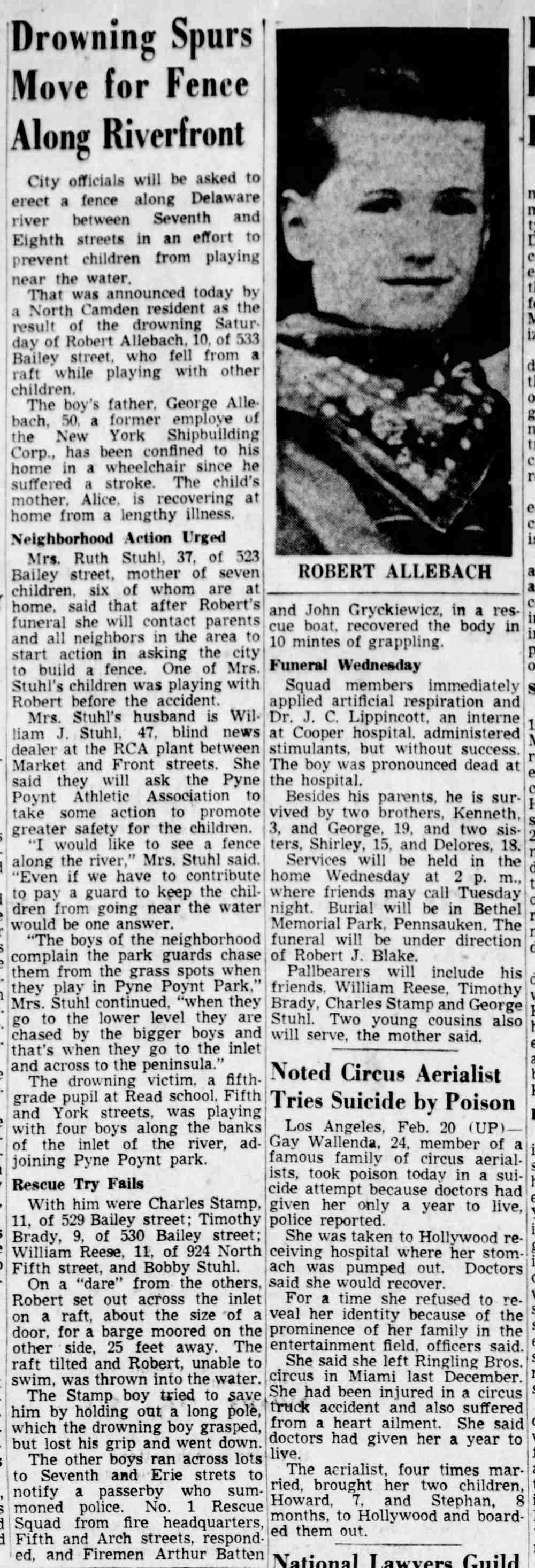
City officials will be asked to erect a fence along Delaware river between Seventh and Eighth streets in an effort to prevent children from playing near the water.
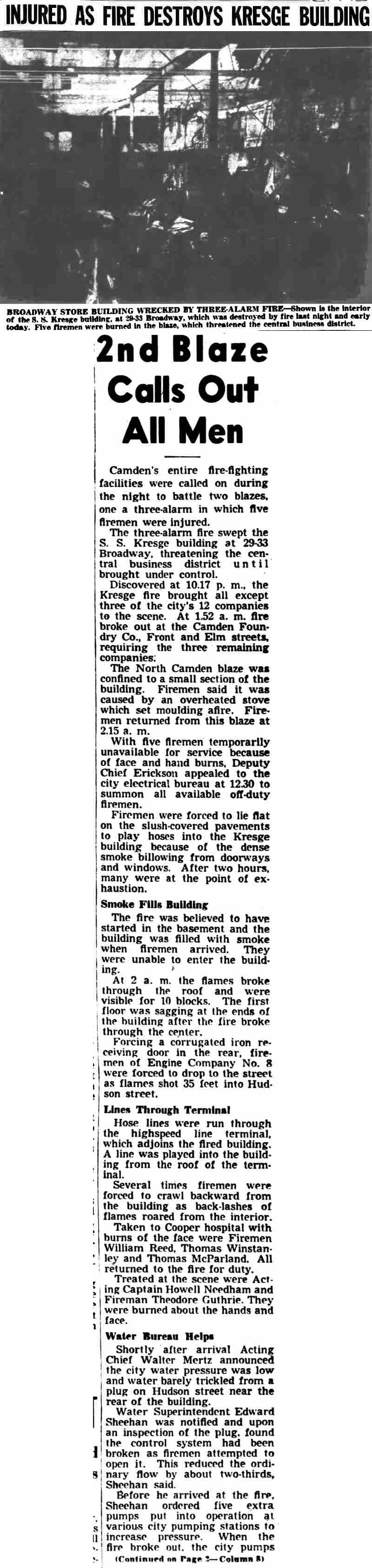
A three-alarm fire swept the S. S. Kresge building at 29-33 Broadway, threatening Camden's central business district; five firemen were burned, and a second blaze at the Camden Foundry Co., Front and Elm streets, called out the city's remaining fire companies.
A March 1942 account from "Housing in Camden" of how the Camden Housing Authority's third public housing project — a $1,409,000 development designated N.J. 10-2 — was funded, and how the rule was set that it be named for a Camden native killed in action.

The Camden Housing Authority announced U.S. Housing Authority approval of a $1,566,000 defense housing project of 306 units on the south side of East State Street between Cooper Creek and River Avenue. Camden Courier-Post, January 17, 1942.