Herman John King
Fireman First Class, United States Navy — USS Cyclops
Entered the Service from: New Jersey — Died: June 14, 1918 — Lost at Sea
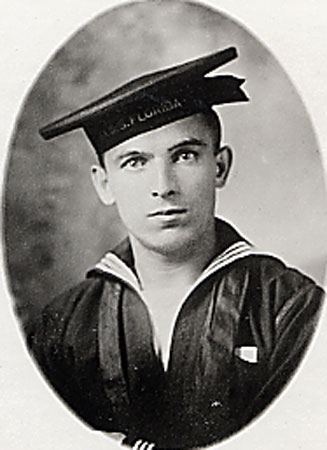
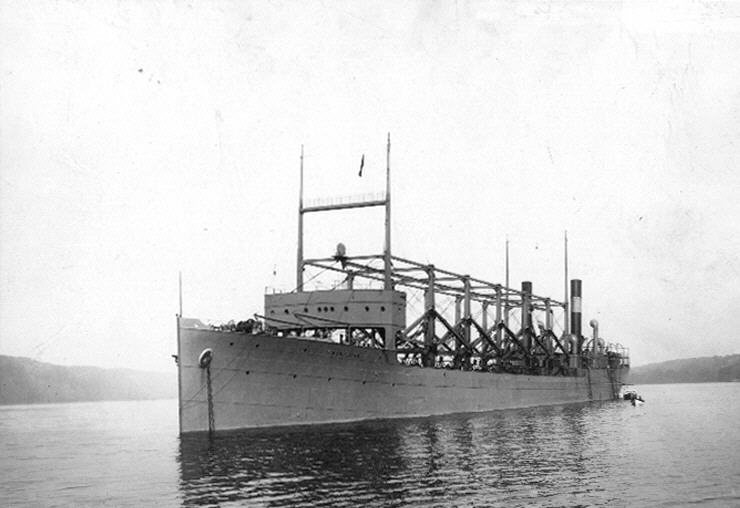
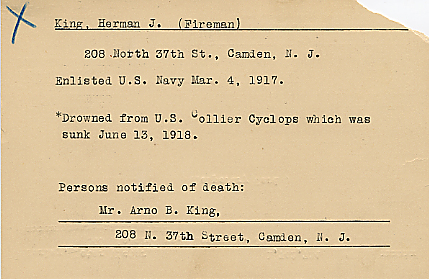
Fireman First Class Herman John King, of 208 North 37th Street, Camden, New Jersey, lost his life when the collier USS Cyclops was sunk on June 14, 1918. The loss of the ship and 306 crew and passengers without a trace sometime after 4 March 1918 remains the single largest loss of life in U.S. Naval history not directly involving combat. The cause of the ship's loss is unknown.
Herman John King was born in Camden, New Jersey in March of 1893, the second of four children belonging to Susannah and Arno King. Arno King worked as a stone mason and after 1914 later as a carpenter. The family lived at 828 Lawrence Street as late as 1894. By 1898 the family had moved to the house on North 37th Street in what was then the Town of Stockton. In 1899 Stockton was merged into Camden.
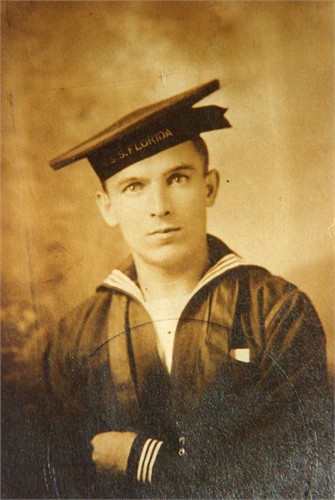
Herman John King enlisted in the United States Navy at Indianapolis, Indiana on March 4, 1917. After receiving his initial training he was assigned to the USS Florida, then transferred to the USS Cyclops. Herman King was survived by his parents, brother, and sisters, of the North 37th Street address. He was 24 years old when he was killed.
Photos
Honor Roll
Tag: herman-john-king
37th Street
Thirty-Seventh Street runs south from Jersey Avenue to Camden Avenue in East Camden, crossing Westfield Avenue and High Street. City directory and newspaper records document occupants of its 200, 300, and 400 blocks between 1900 and 1956.