Streets
Church Street
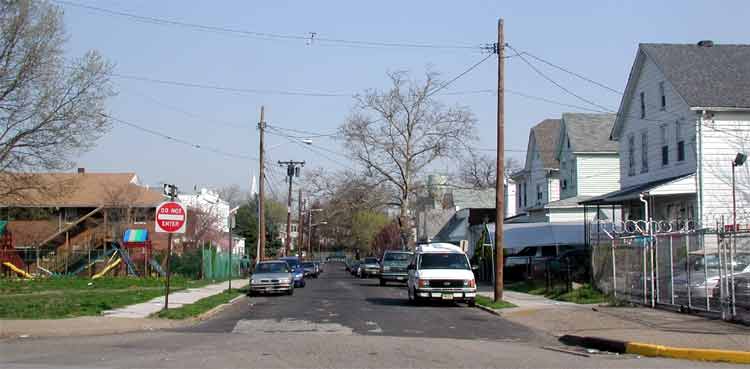
Church Street is a one-block street in East Camden that runs between Federal Street and Westfield Avenue. The street dates to about 1890 and all homes appear to have been built at about the same time by the same builder.
Tag
Church Street is a one-block street in East Camden that runs between Federal Street and Westfield Avenue. The street dates to about 1890 and all homes appear to have been built at about the same time by the same builder.
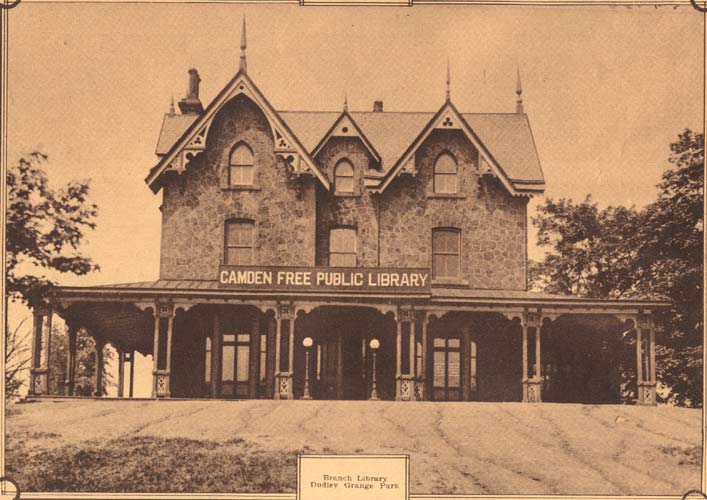
Dudley Street in East Camden was named for lawyer and diplomat Thomas Haines Dudley, whose estate became Dudley Grange Park. South Dudley Street was known as Alberta Street until the early 1920s.
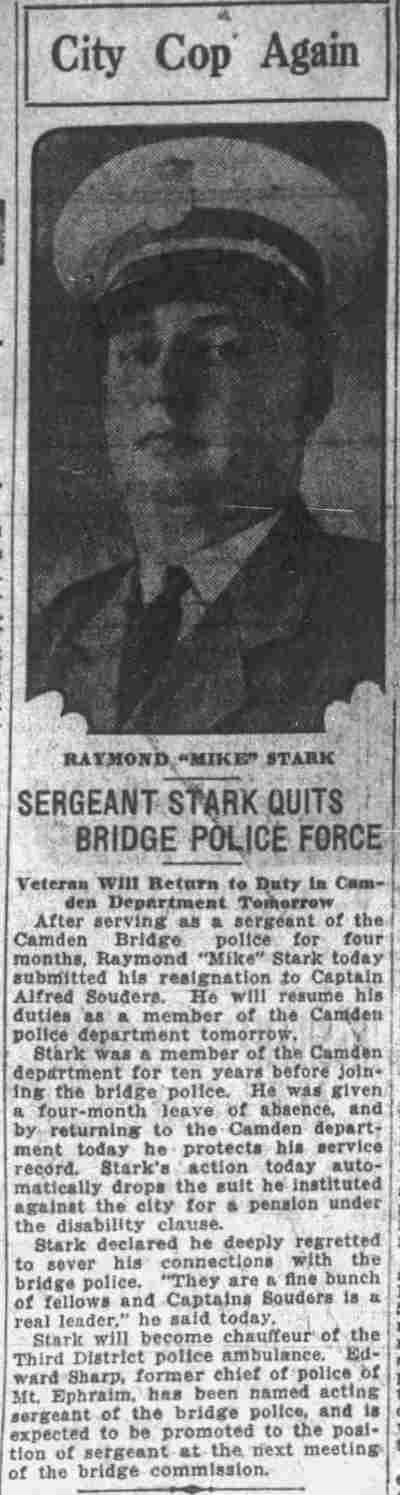
Raymond H. "Mike" Stark Sr. served 27 years in the Camden Police Department, appointed April 11, 1917 and retired on pension May 15, 1944, serving as traffic officer, district detective, patrolman and sergeant, and as a sergeant of the Camden Bridge police during a 1926 leave of absence (his 1953 obituary says he organized that force).
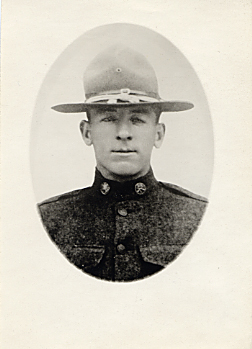
Sergeant John Joseph Clynes Jr. (1894–1919) of 60 North 32nd Street in East Camden was a Victor Talking Machine Company pressman inducted at Camden in May 1918 and assigned to the 153rd Depot Brigade at Camp Dix. He contracted tuberculosis in service and died at Base Hospital No. 8 in Otisville, New York on June 24, 1919, aged 25.
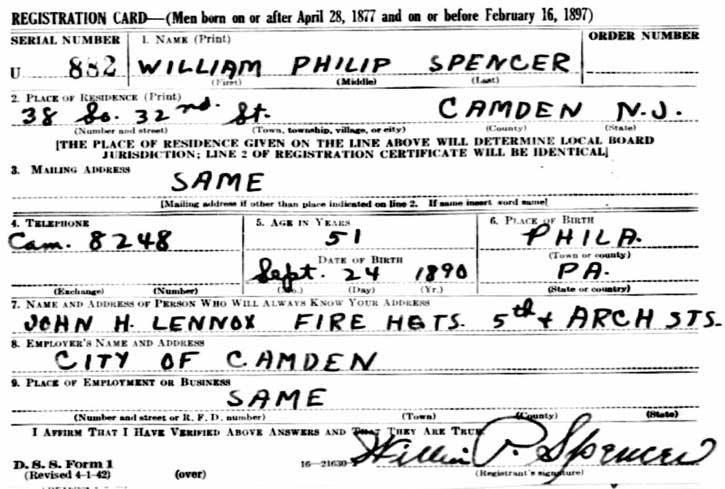
William Philip Spencer (1890–1946) served in the Camden Fire Department from 1925 until his death in 1946, promoted to Junior Captain on April 2, 1940. A World War I veteran who served in France, he was a charter member of the Box 315 Association and won a three-cornered fight for vice president of the Camden Police and Firemen's Association in 1933.
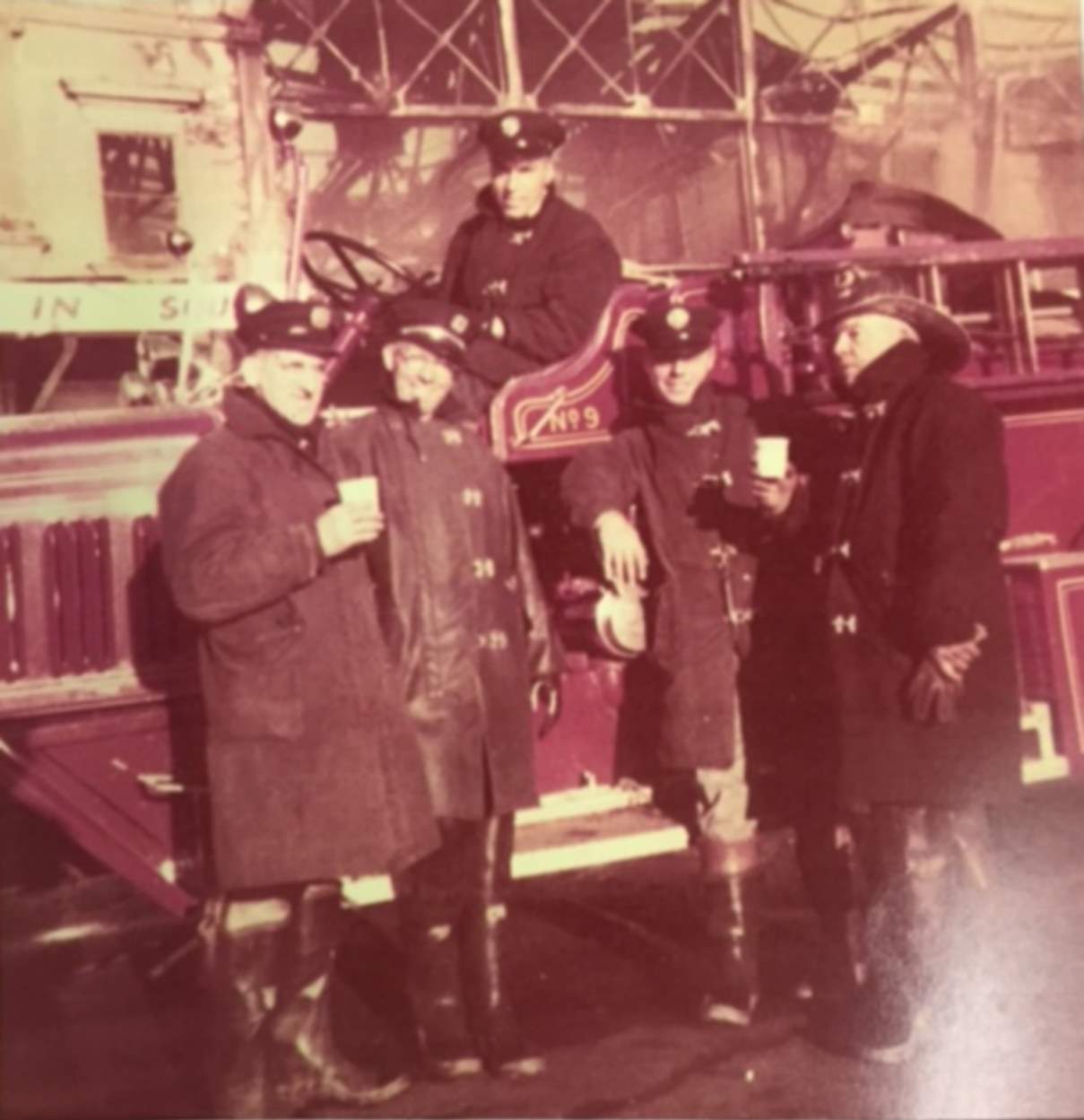
Harry Mailahn (1926–1971) was a Camden firefighter assigned to Engine Company 9 from his appointment in January 1951 until his death in 1971. A Navy veteran of World War II, he lived at 2924 Royden Street in East Camden.
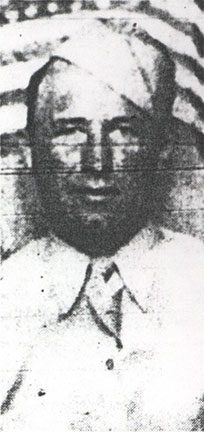
Private First Class William Groome (1916–1944), a former New York Shipbuilding Company employee who had lived for six years at 119 North 23rd Street in East Camden, served with Company K, 351st Infantry Regiment, 88th Infantry Division. He was killed in action at Anzio, Italy on May 12, 1944 and was buried at Beverly National Cemetery in 1949.
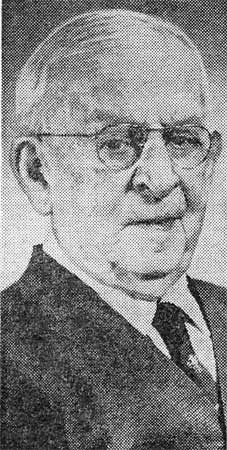
Robert Hartmann (1876–1967), son of cigar manufacturer Frank J. Hartmann Sr., grew up in Camden's labor movement and was elected the first president of the Camden County Central Labor Union when it was formed in 1908. The 1920 Census found him and his family at 16 North 23rd Street in East Camden.
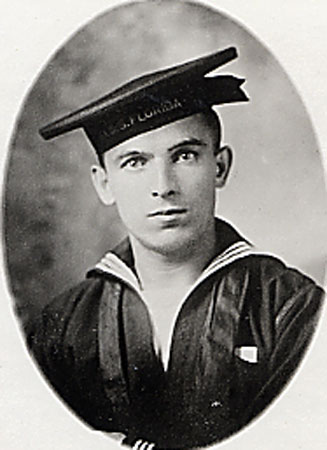
Fireman First Class Herman John King of 208 North 37th Street, Camden, served aboard the USS Cyclops and was lost at sea on June 14, 1918 when the collier disappeared with all 306 crew and passengers.
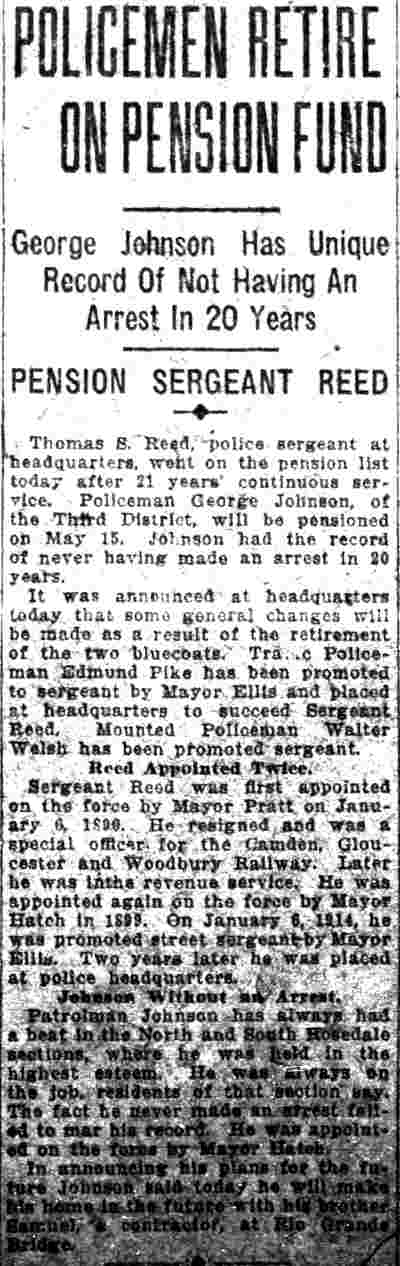
George B. Johnson served as a Camden policeman for more than twenty years, patrolling the North and South Rosedale sections without making a single arrest. Appointed in 1899, promoted to sergeant in 1914 and pensioned in 1920, he made his home at 220 North 37th Street from 1900 until at least 1940.
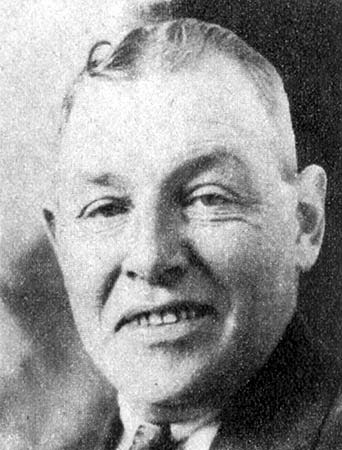
Louis Rodger Mote (1884–1939) owned a home at 1111 North 23rd Street in Cramer Hill and worked at one of Camden's shipyards before serving as Assistant Superintendent of Streets for the City of Camden under Mayor Winfield S. Price. He and his wife Louise were active in 11th Ward Republican politics.
Dr. Milton H. Gordon was a Camden physician specializing in internal medicine and cardiology who practiced at offices on North 27th Street and the Wilson Building.
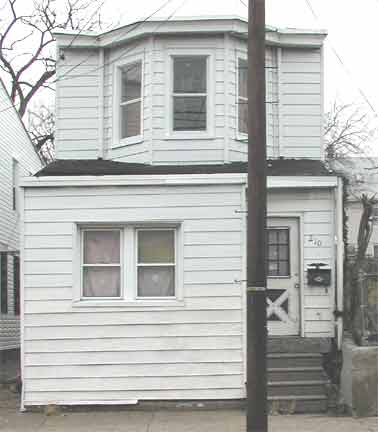
William R. McKee of Mount Ephraim NJ served as a Private in the 507th Parachute Infantry Regiment. He was reported missing in action on D-Day, June 6, 1944, and was declared dead June 10, 1944. His name is inscribed on the Tablets of the Missing at Cambridge American Cemetery in Cambridge, England.
Mike Rozier was a star running back at Woodrow Wilson High School in Camden, won the 1983 Heisman Trophy at the University of Nebraska, and played seven years with the Houston Oilers.
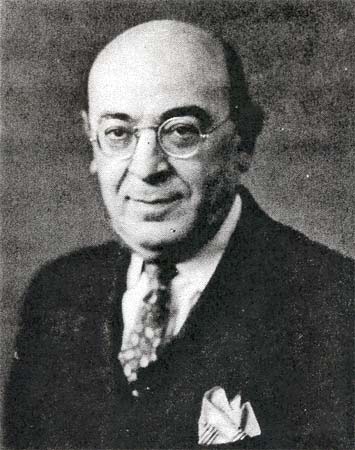
Henry L. "Harry" Barroway was a prominent Camden attorney and founding president of Congregation Beth El. Last a resident of 458 South 27th Street, he died in November 1965.
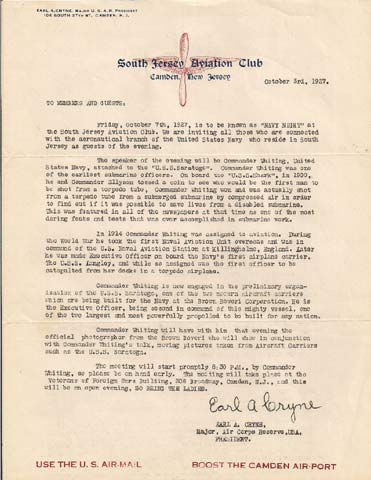
Camden aviator and Army Colonel; organized the South Jersey Aviation Club from his home at 106 South 27th Street and was instrumental in establishing Central Airport. Born May 25, 1884 in New Britain CT, he died in December 1961 in Ventura CA.
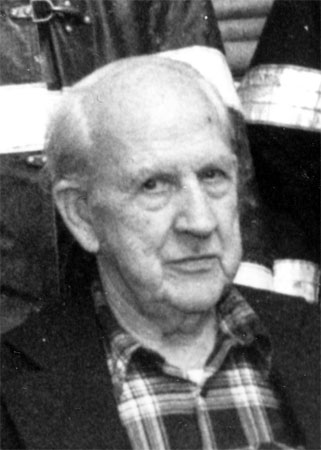
Leonard F. Garbrecht (1910–2000) was a Camden fire captain who served from 1941 until retiring on disability in 1960. He was the last remaining captain of that era and a charter member of Camden City Firefighters Local 788.
Walter Page Hubbs Sr. (1871–after 1953) was a Camden, NJ police officer appointed in 1902 and dismissed in 1905 when Republicans returned to power. He later worked as a car repairer at the Pavonia railroad yards, living at 201 North 27th Street.
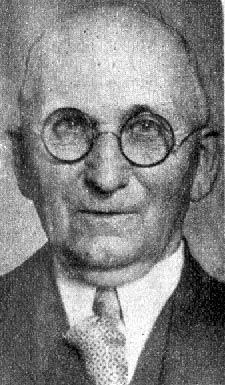
Tuckahoe-born Camden politician who served as Twelfth Ward freeholder for 14 years and as president of the East Camden Building and Loan Association from 1925 to 1946. His last home was 61 South 27th Street.
Harry L. Leonard was a Camden-born funeral director and World War I veteran who opened his own funeral parlor at 120 South 27th Street in 1927, later moving to 2850 Federal Street, and ran for Camden County Coroner in 1936.
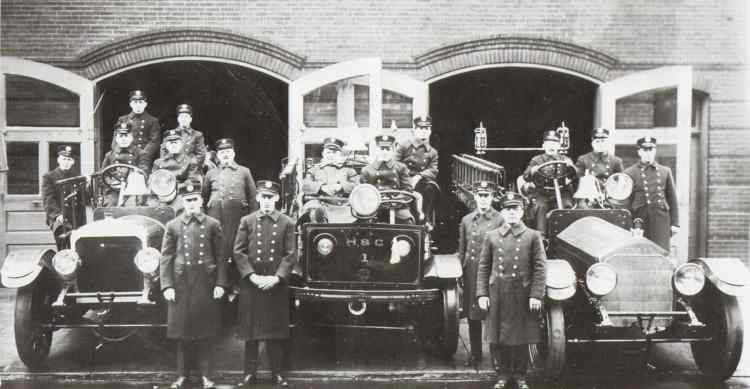
John H. Vickers (1863–1939) served with the Camden Fire Department from 1904, rising to Captain of Engine Company 9 in 1924, and lived with his family at 202 North 27th Street from 1920.
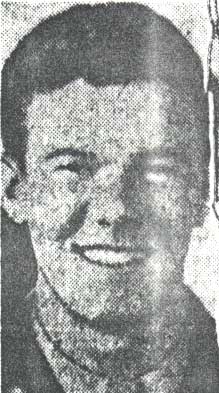
Staff Sergeant Frank J. Blair (1921–1944) of 987 North 23rd Street in Cramer Hill was a June 1940 graduate of Woodrow Wilson High School who served as a B-24 crewman with the 374th Bomber Squadron, 308th Bomber Group, based at Kunming, China. He was killed in action on July 13, 1944, and is listed on the Tablets of the Missing at the Honolulu Memorial.
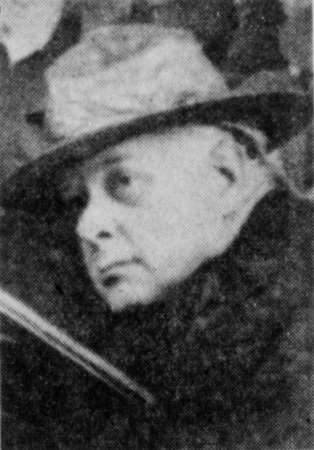
Ambrose Wesley "Wes" Faust served with the Camden Fire Department from 1951 to 1961, and later became a police sergeant with New Hanover Township, Pennsylvania, where he died on duty in 1977.
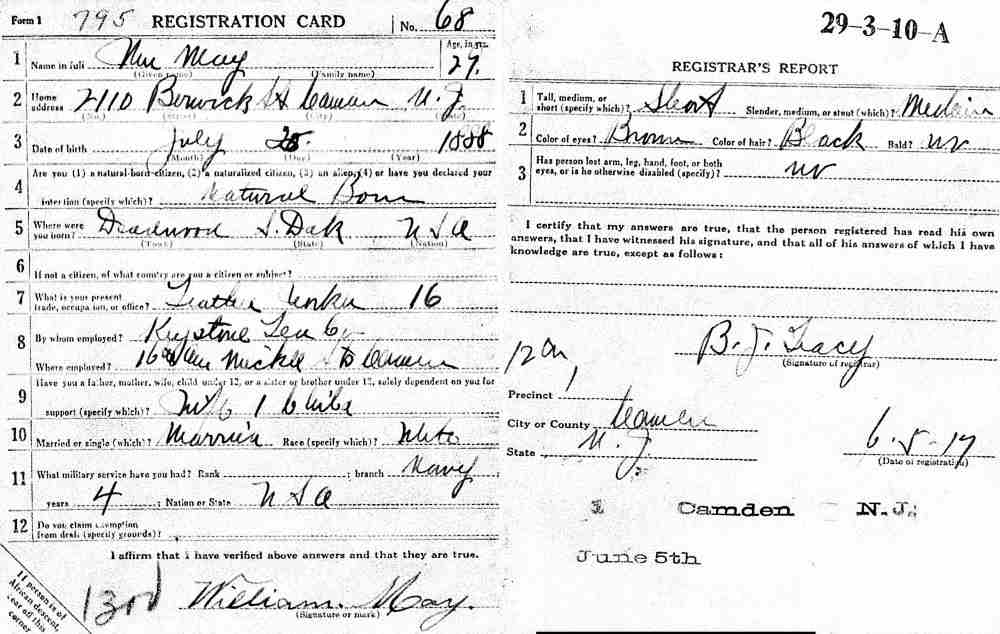
William M. May (1888–1935), known as "Indian Bill," lived in East Camden for more than two decades. He first came to public attention in December 1910 after a suicide attempt following Elsie Staley's rejection of his marriage proposal, and remained a recurring figure in Camden newspaper reports for the next 25 years.
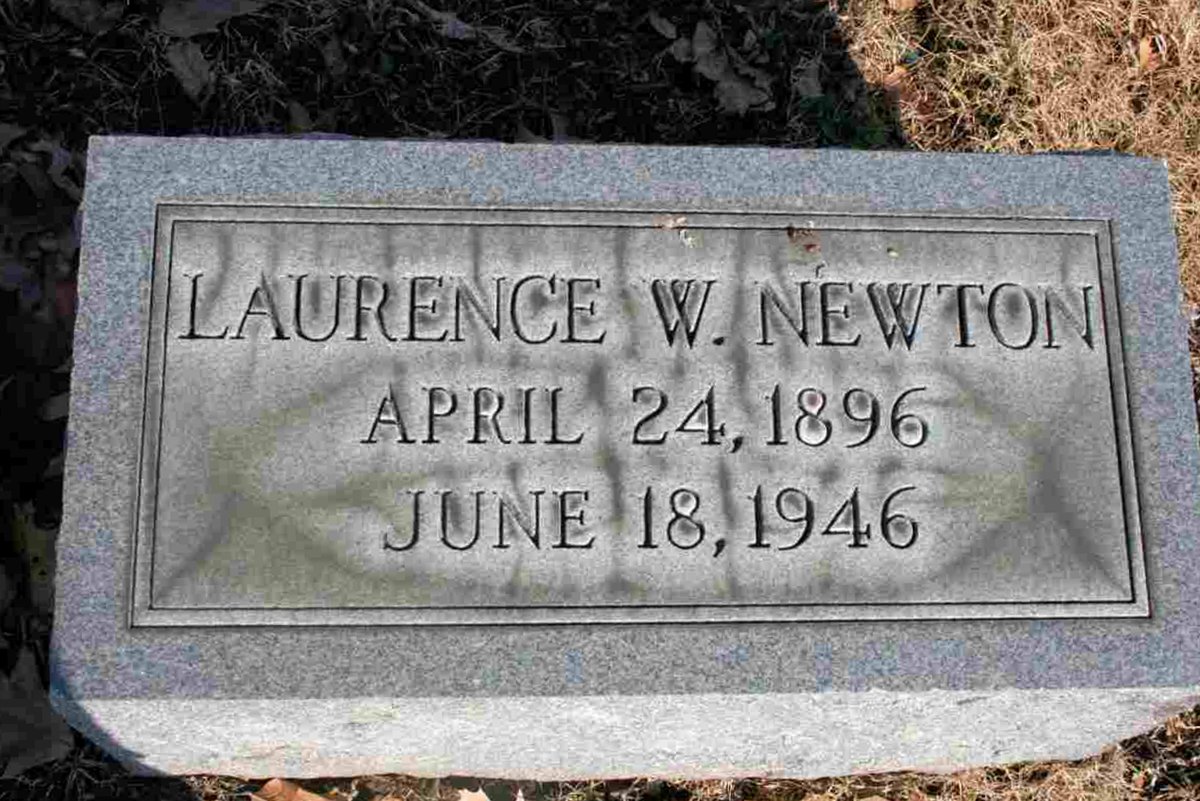
Laurence W. Newton (1896–1946) rose through the Camden Fire Department to Battalion Chief, saving a child from a burning building at Sixth and Van Hook Streets and shutting off a leaking gas main amid flames at Constitution and Argus Roads in 1942. He lived at 2816 Howell Street in East Camden.
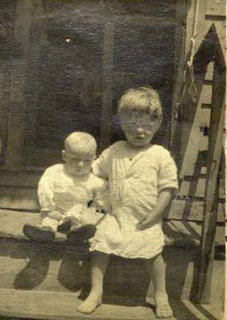
John Francis Letts (1918–1984) served the Camden Fire Department from 1952 to 1981, rising to Battalion Chief. He grew up at 2208 Howell Street, was a founding officer of IAFF Local 2578, and took part in the Easter Monday rescue at North 6th and Penn Streets in 1970.
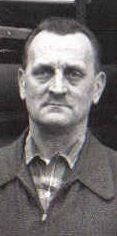
John D. Huelas, born John D. Hulasinski, joined the Camden Fire Department in 1942 and served over 35 years, retiring as Captain in 1978. He lived at 2834 Howell Street in East Camden when he was appointed.
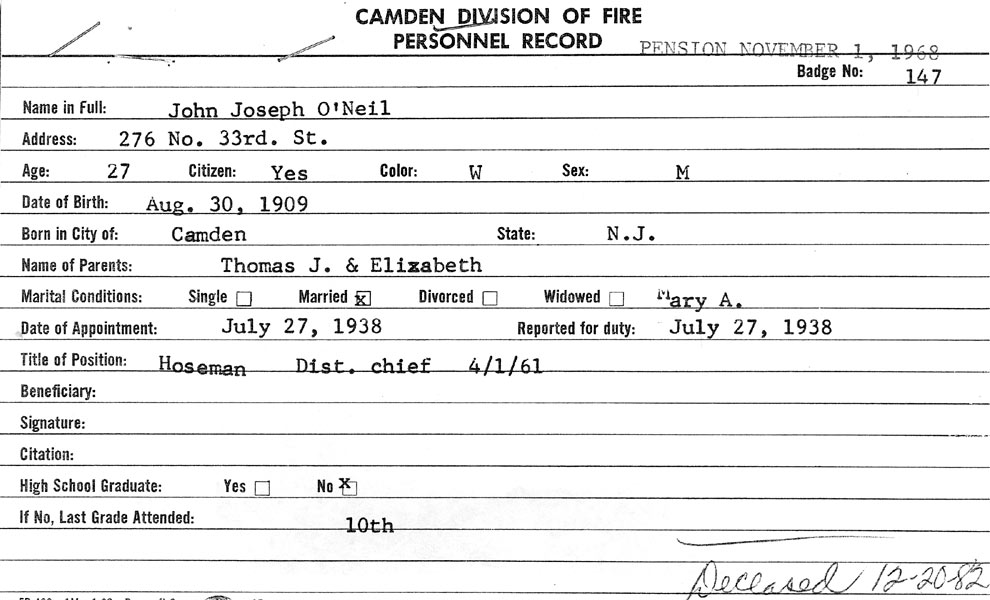
John Joseph O'Neil (1909-1982) was born in Camden and grew up on North 22nd Street in East Camden. Appointed to the Camden Fire Department on July 27, 1938, he served 30 years - taking time away during World War II to serve in the United States Coast Guard - was promoted to District Chief on April 1, 1961, and retired on pension on November 1, 1968.
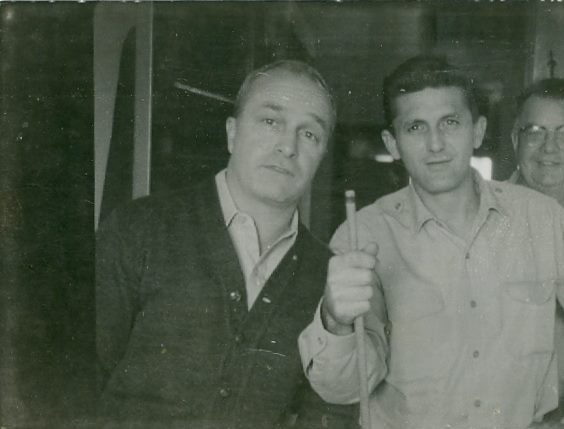
Charles H. Lawyer (1924–1994) served with the Camden Fire Department from 1948 to 1974. Appointed on March 2, 1948 to Engine Company 9 in East Camden, he was promoted to Captain on April 1, 1956 and spent most of his career with Engine Company 6 at Front and Linden Streets. He grew up on North 35th Street in Cramer Hill and later lived at 1032 North 22nd Street.

Joseph Anthony Hooven Jr. (1915–1996) was a Camden police detective who graduated Camden Catholic High School in 1933 with a Villanova scholarship, joined the Camden Police Department in 1940, and rose to Detective Sergeant by December 1957.
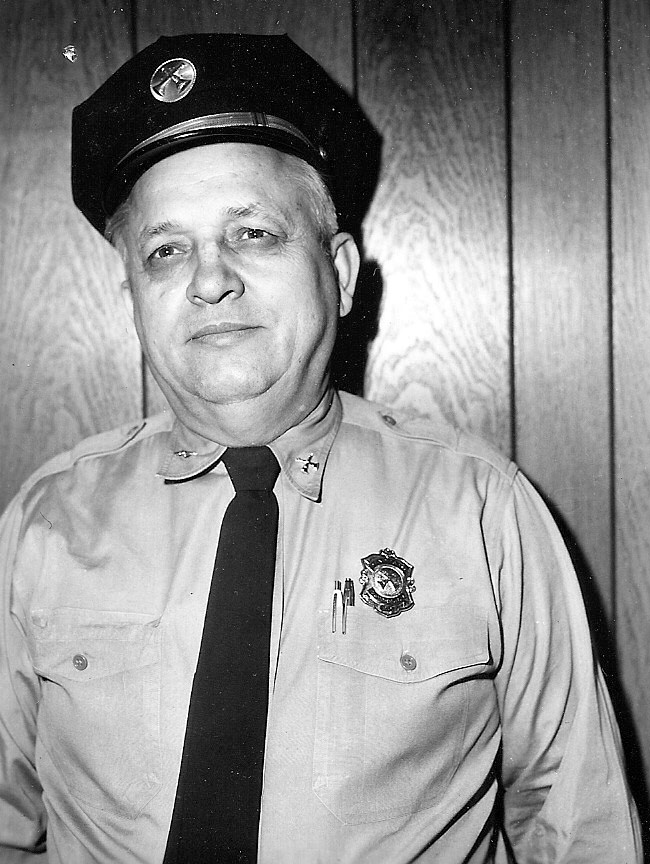
John Paul Gryckiewicz (1918–2006) served 40 years with the Camden Fire Department, rising to captain of Engine Company 6, and was decorated for heroism in multiple rescues. A World War II Navy veteran, he served as a chief machinist mate aboard the Camden-built USS South Dakota.
Officer George E. Schultz Jr. (1942–1969) joined the Camden Police Department in November 1968 and was killed by a gunman on July 5, 1969, at the age of 26, alongside his Academy classmate Officer Charles Sutman.
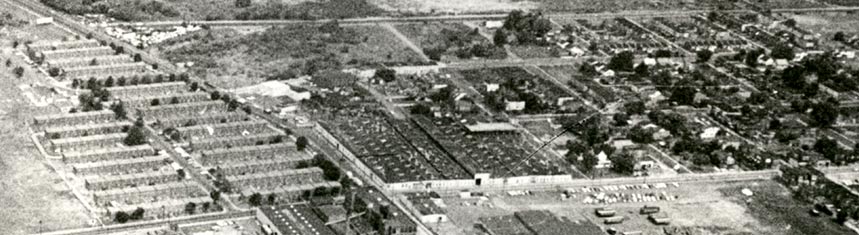
William Stanley Ablett Village is a 306-unit public housing project at River Road and State Street in the Cramer Hill section of Camden, built by the Housing Authority of the City of Camden during World War II and named for a Camden soldier killed in action in France during World War I.
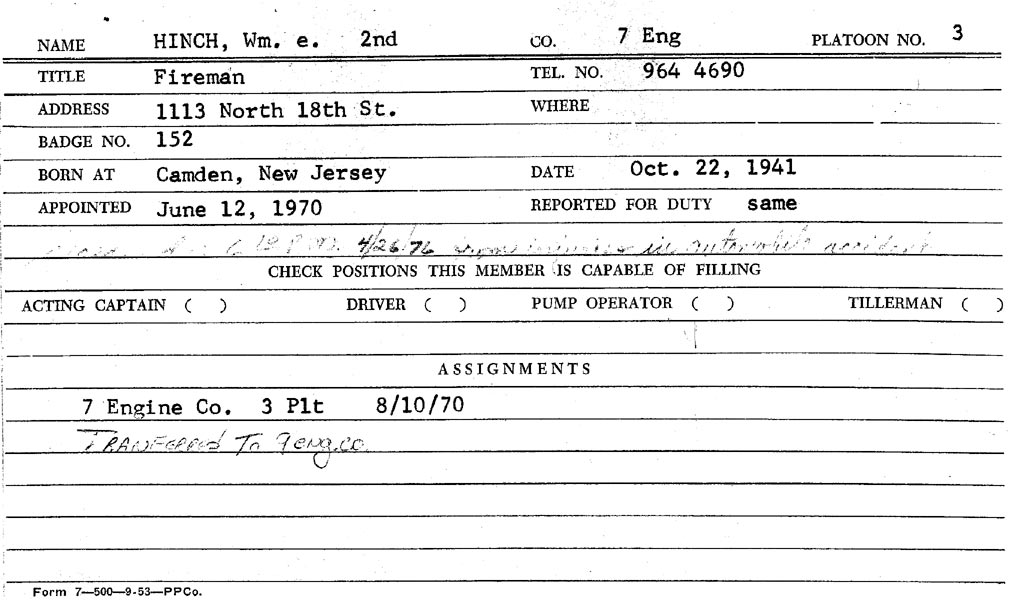
William E. Hinch II (1941–1976) was a Camden firefighter. Born in Camden and living at 1113 North 18th Street in Cramer Hill, he was appointed to the Camden Fire Department in 1969 and served with Engine Company 7 on Kaighn Avenue and later Engine Company 9 in East Camden. He died on April 26, 1976 of injuries sustained in an automobile accident.
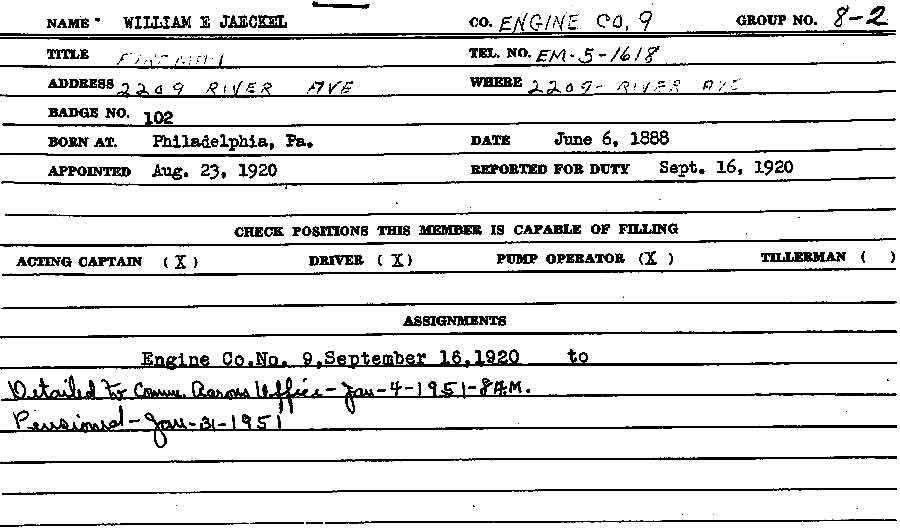
William E. "Pud" Jaeckel (1888–1961) joined the Camden Fire Department in 1920 and served over thirty years with Engine Company 9 at North 27th and Federal Streets in East Camden, retiring on pension in January 1951.
Adelbert J. "Duke" Kirk Sr. (1918-1989) was a Camden firefighter who was appointed to the Camden Fire Department on November 16, 1956 and served with Engine Company 3 until his retirement on December 1, 1981.
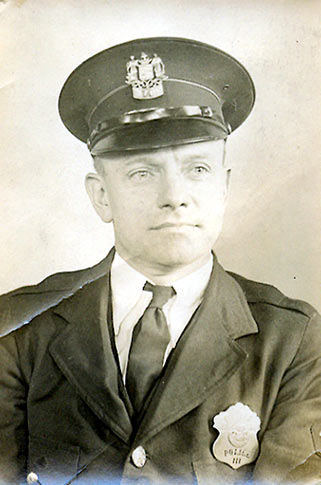
Howard Bean (1893–1950) was a Camden police sergeant, WWI veteran of the 312th Engineer Regiment, and commander of the VFW Department of New Jersey in 1940–41.
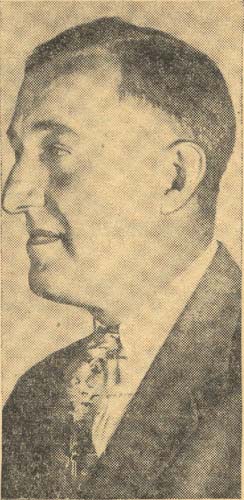
John Louis Wible (1885–1954) was a lifelong Camden resident and East Camden Republican leader — the first president of the East End Republican League and a county committeeman, active in Red Cross and Salvation Army campaigns.
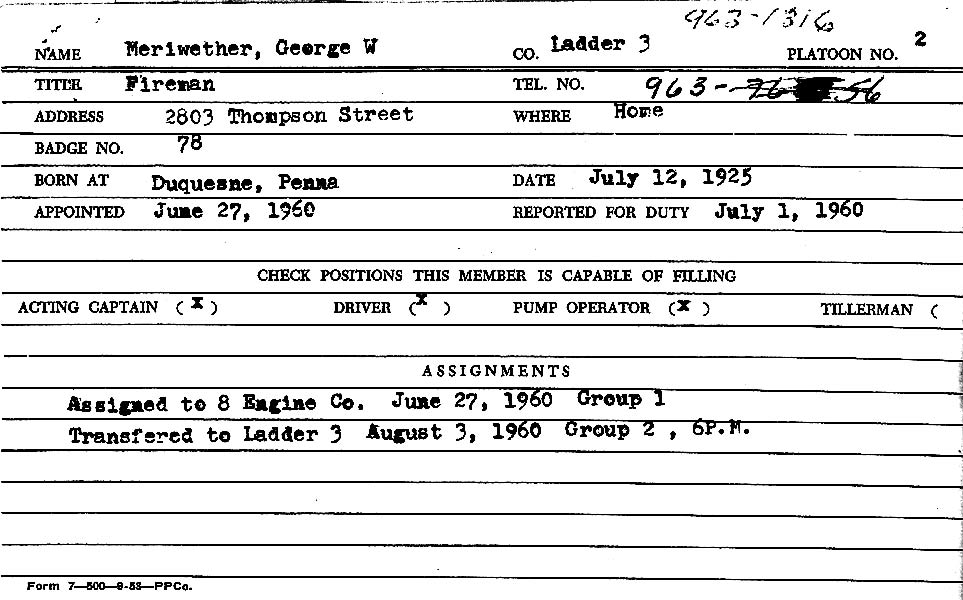
George W. Meriwether (1925–1992) was a Camden firefighter appointed to the Camden Fire Department on June 27, 1960; he served with Engine Company 8 and Ladder Company 3 in East Camden before retiring on pension August 1, 1985.
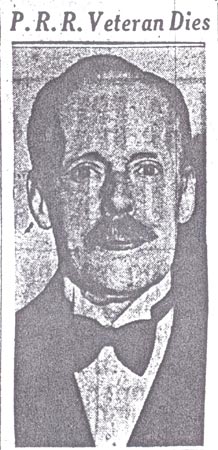
Charles H. Truitt (1859-1936) was a Camden native who worked 53 years for the Pennsylvania Railroad as a tugboat fireman and ferry engineer on the Delaware River before retiring in 1929.
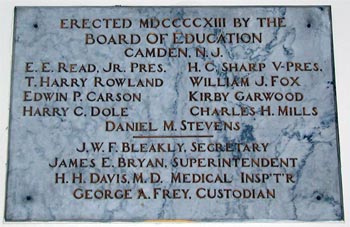
Physician, pharmacist, and Camden's first Medical Inspector; later Health Director and chief school physician who shaped public-school health care in Camden for a generation.
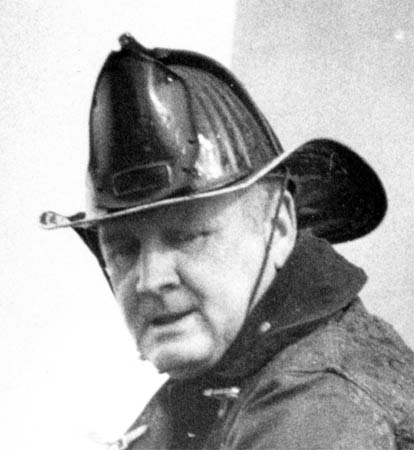
Henry Joseph "Beanie" Keating Sr. (1920–2002) was a Camden firefighter who joined the Camden Fire Department on December 1, 1953, transferring from the police department, and served with distinction for over twenty-five years before retiring January 1, 1979.
Burwood Avenue runs through East Camden from Fremont Street across Waldorf Avenue to Highland Avenue and the Pennsauken border, continuing on into Pennsauken.
Somerset Street is an East Camden thoroughfare running north from Admiral Wilson Boulevard to Raritan Street, serving primarily as an exit ramp for eastbound traffic rather than a residential street.
Maplewood Street is an East Camden street that was never developed for residential use, only partially paved, due to the Baird Avenue overpass and commercial development along Admiral Wilson Boulevard.

Alfred Cramer was born in 1844 on a farm in Blackwood. He lived there until he was sixteen, at which poin the began working as a book salesman. This early sales experience would later prove to be a valuable foundation for his success in business.
Morrison Street in East Camden originally ran from North 27th Street to the railroad tracks past Dudley Street; the 1906 Sanborn Map shows almost no buildings in its 2700 and 2800 blocks.

Morse Street in East Camden was named for Henry G. Morse, founder and president of the New York Shipbuilding Corporation, whose Camden shipyard led to the creation of Yorkship Village.
Starr Avenue ran northeast from Border Street to Federal Street near the Cooper River and was named for Jesse W. and John F. Starr, founders of Camden Iron Works. It was later renamed Mt. Ephraim Avenue.

George Denniston Haley (1848-1923) was a Civil War veteran of the 116th New York Volunteers who lost an arm at Port Hudson and later settled in Camden, New Jersey.