Streets
Taylor Avenue
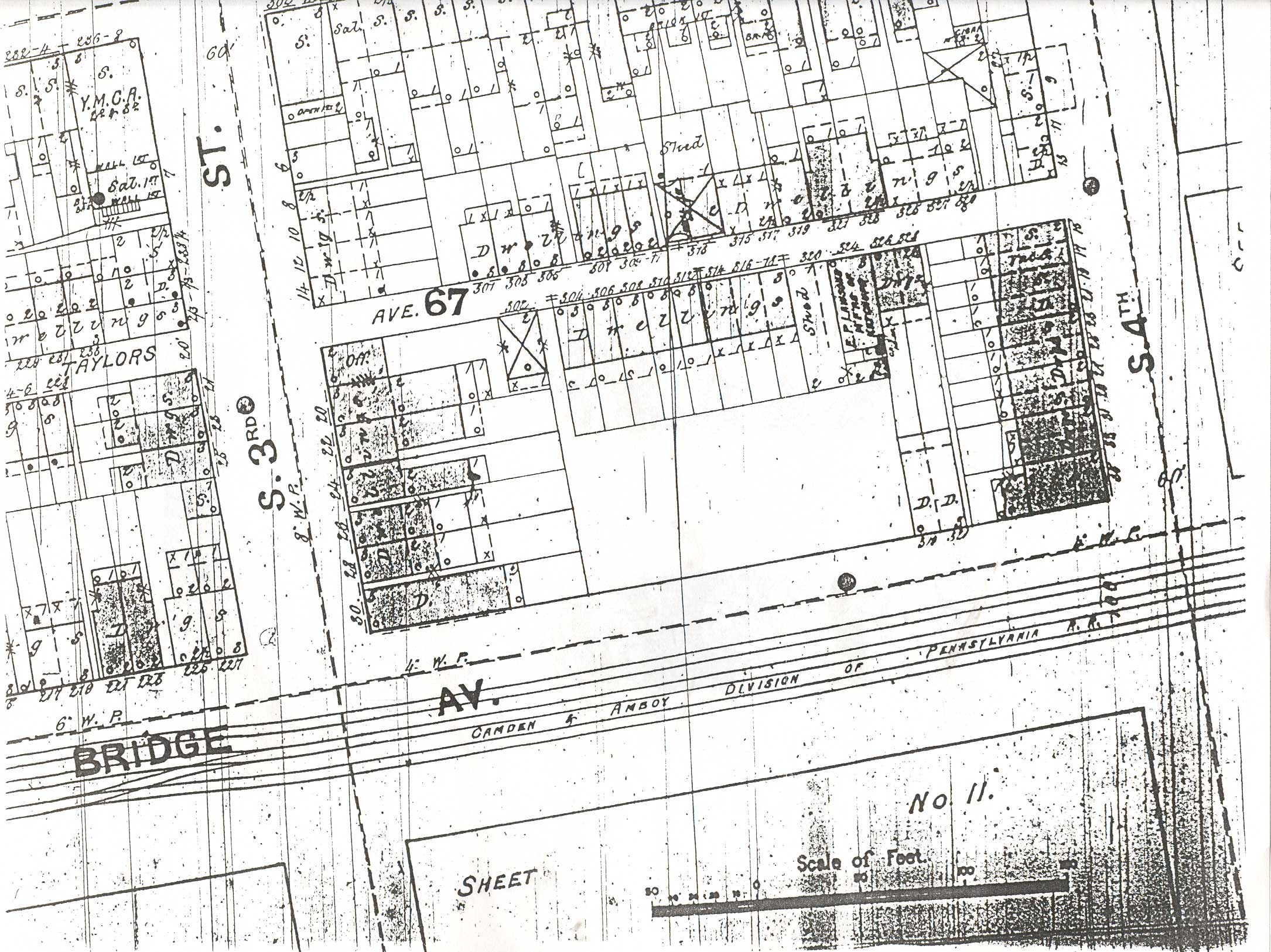
Taylor Avenue, once called Taylor's Avenue, ran from South Front Street to Hudson Street just south of Federal Street. Laid out by 1850, it was cleared from about 1970 for the Camden County Jail and Hall of Justice.
Tag
Taylor Avenue, once called Taylor's Avenue, ran from South Front Street to Hudson Street just south of Federal Street. Laid out by 1850, it was cleared from about 1970 for the Camden County Jail and Hall of Justice.
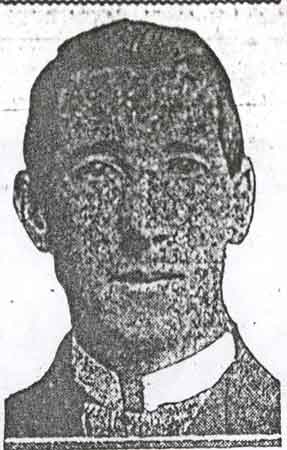
Martin B. Carrigan, born in Pennsylvania in July 1872, was appointed to the Camden Fire Department in 1904, rose to Captain, and died in the line of duty on January 19, 1922 of injuries sustained fighting the Kaighn Avenue fire.
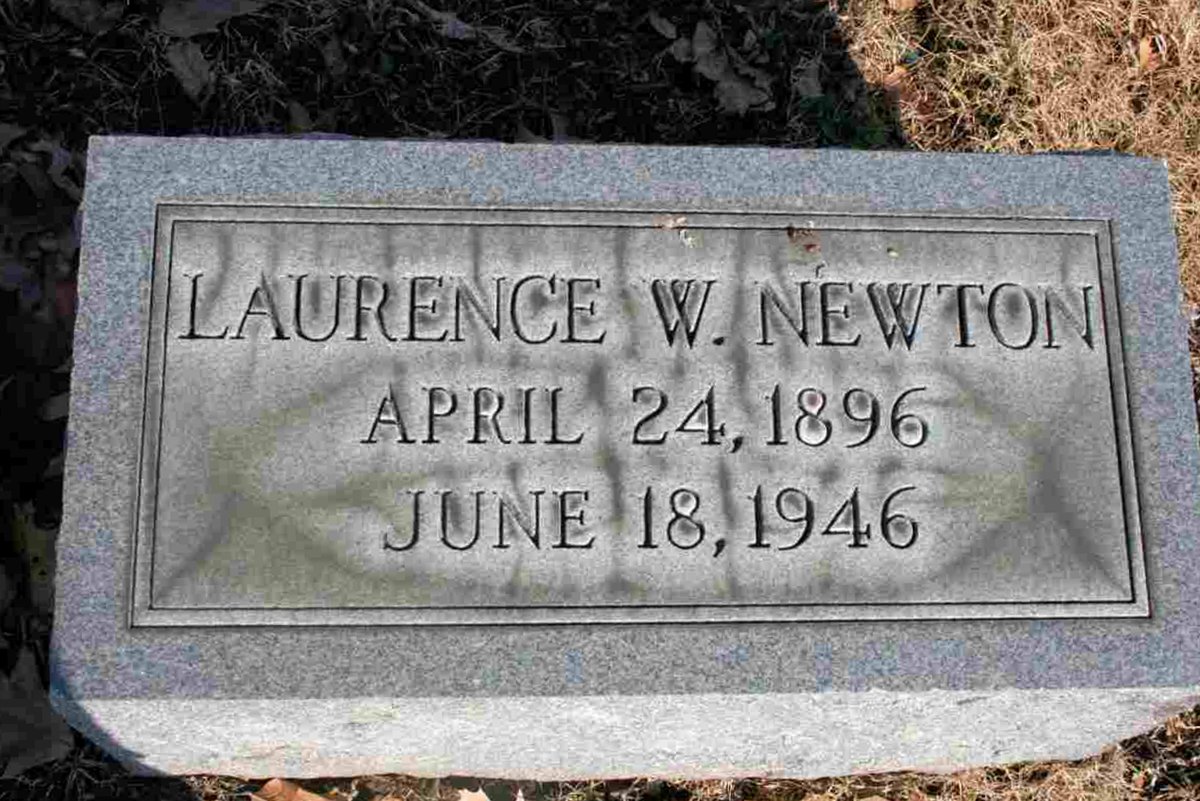
Laurence W. Newton (1896–1946) rose through the Camden Fire Department to Battalion Chief, saving a child from a burning building at Sixth and Van Hook Streets and shutting off a leaking gas main amid flames at Constitution and Argus Roads in 1942. He lived at 2816 Howell Street in East Camden.

Named for James G. Blaine, the 1884 Republican presidential candidate, Blaine Street ran from South 7th Street to Trenton Avenue and through to Haddon Avenue. No houses stand on Blaine Street today.

Roy R. Stewart was born in Quakake, PA, a small mining town, in 1887. During his youth, he worked as a breaker boy in the mines.

Arthur Colsey, born in Kidderminster, England, in December 1872, embarked on a remarkable journey of public service and professional achievements.
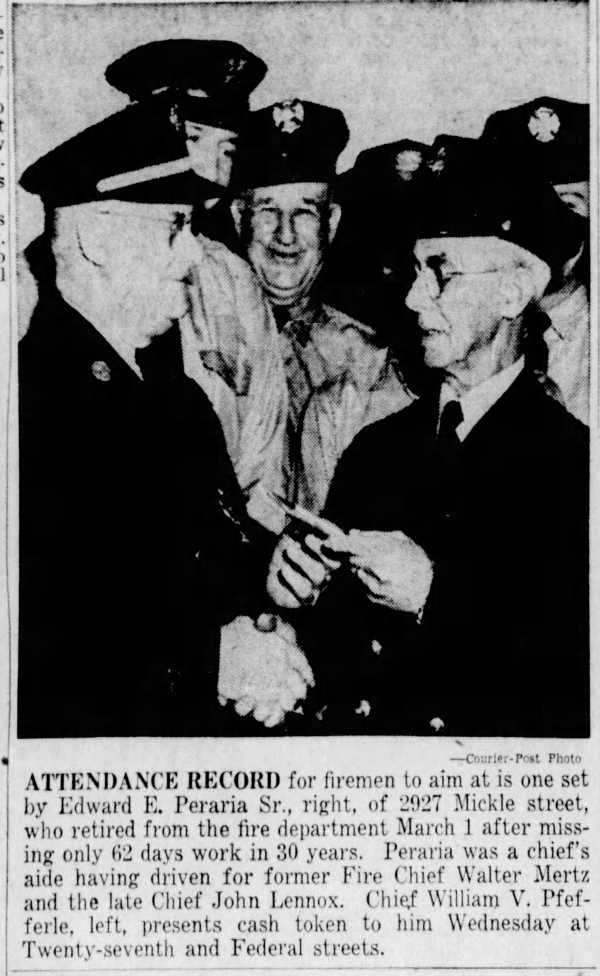
Edward E. Peraria Sr. of 2927 Mickle Street retired from the Camden fire department March 1, 1952, after missing only 62 days of work in 30 years; Chief William V. Pfefferle presented him a cash token at Twenty-seventh and Federal streets.

Veteran Camden fireman William Earl Toy died of injuries suffered when Acting Chief William Van Pfefferle's car, which he was driving to a fire at Berwick and Boyd streets, collided with a Public Service bus at Sixteenth and Federal streets.

The clothing and jewelry store of S. Lester at 713 Broadway was destroyed by a two-alarm fire of undetermined origin following an explosion. Eight companies fought the fire for seven hours, and damage was estimated at $100,000.
Funeral services for Camden City Commissioner Henry Magin were held in August 1941, with trucks of flowers in the funeral cortege and his war veteran comrades among those paying final honors.
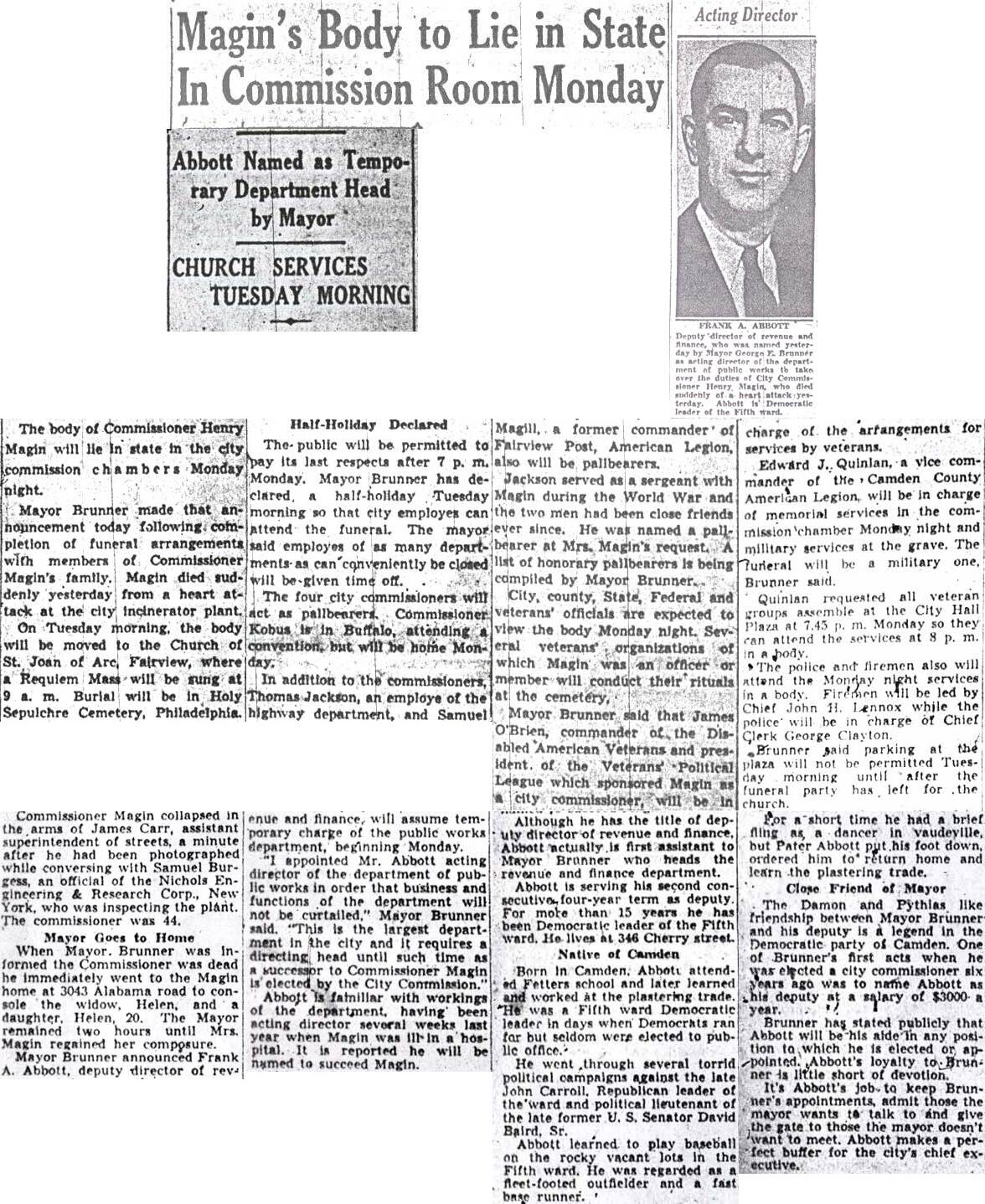
The body of City Commissioner Henry Magin, who died suddenly of a heart attack, was to lie in state in the city commission chambers, and Mayor George E. Brunner named Frank A. Abbott acting director of public works.
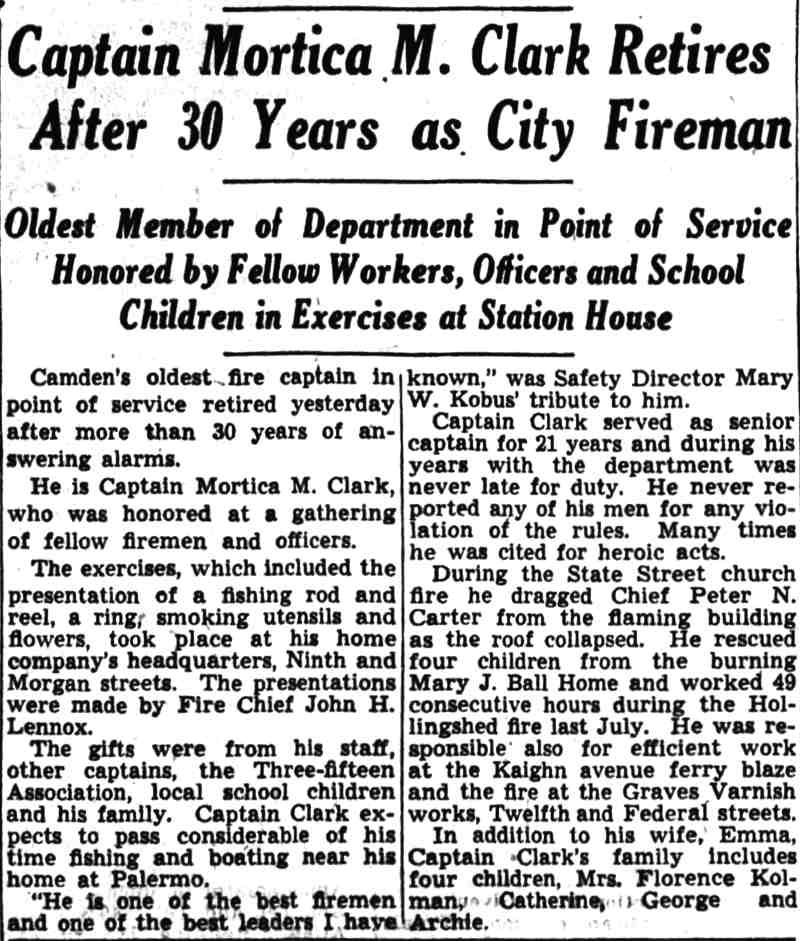
Captain Mortica M. Clark, Camden's oldest fire captain in point of service, retired after more than 30 years and was honored with gifts presented by Fire Chief John H. Lennox at his company's headquarters, Ninth and Morgan streets.
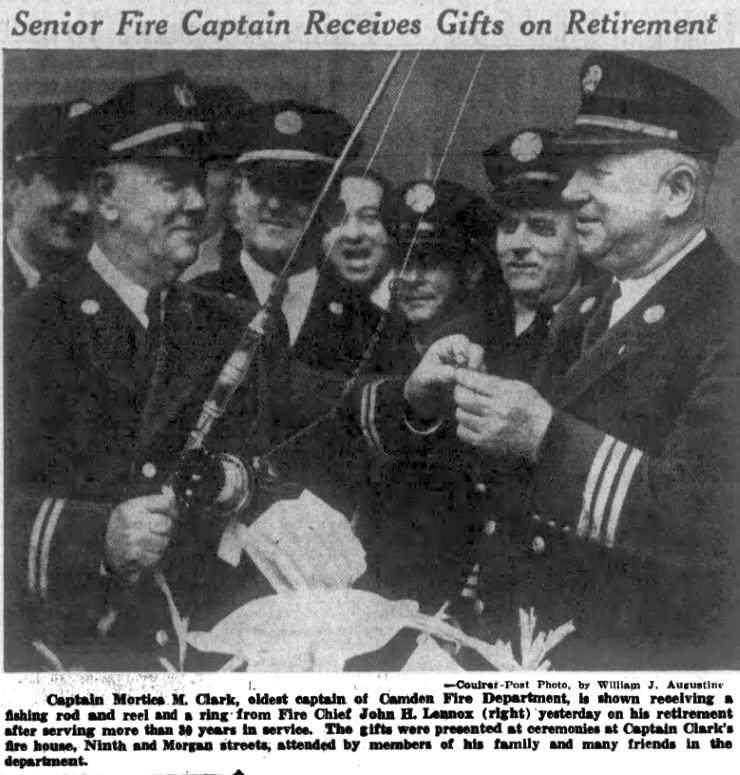
Captain Mortica M. Clark, oldest captain of the Camden Fire Department, receives a fishing rod and reel and a ring from Fire Chief John H. Lennox on his retirement after more than 30 years of service. Camden Courier-Post, May 17, 1941.
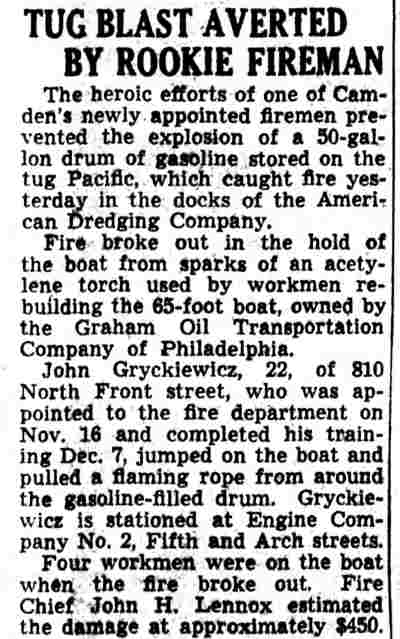
Newly appointed Camden fireman John Gryckiewicz pulled a flaming rope from around a 50-gallon gasoline drum aboard the tug Pacific at the American Dredging Company docks in December 1940, preventing an explosion.

Camden Chief of Police Arthur Colsey, a 27-year veteran of the department, died of a heart attack in his sleep at his home at 2937 Stevens Street. The Courier-Post traced his career from merchant at Ninth and Market streets and Second Ward councilman to patrolman in 1912 and permanent chief in 1934.

A three-alarm fire swept the wholesale store of the Antrim Hardware Company at 1514 and 1516 Federal Street, damaging $100,000 in stock, injuring several firemen and menacing nearby homes and the Standard Oil plant across the street.
Robert Wonsetler of the Camden Fire Department was hailed as the next state president of the Firemen's Mutual Benevolent Association at the 41st anniversary dinner of Camden Local No. 5, held at Kenney's Cafe in February 1938. Arthur Batten served on the dinner committee.
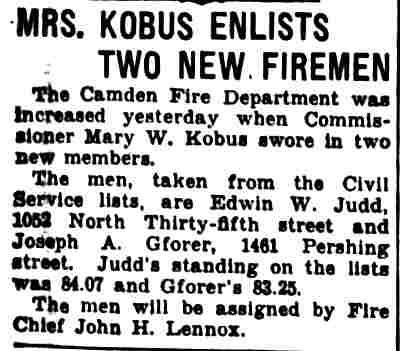
Commissioner Mary W. Kobus swore in two new members of the Camden Fire Department in April 1937 — Edwin W. Judd of 1052 North Thirty-fifth Street and Joseph A. Gforer of 1461 Pershing Street.
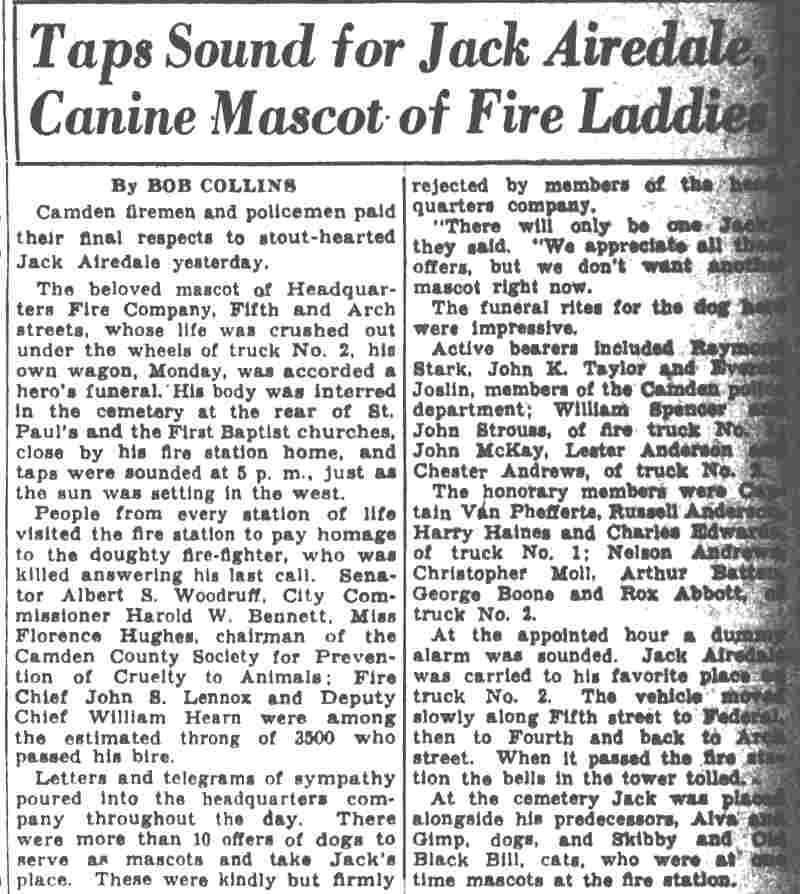
Camden firemen and policemen gave Jack, the Airedale mascot of the Headquarters Fire Company at Fifth and Arch Streets, a hero's funeral in November 1934 after he was crushed under the wheels of his own truck. An estimated 3500 people passed his bier, and taps were sounded over his grave at sunset; Arthur Batten was among the honorary bearers.

A Camden fire engine bound for the fire training school and a Public Service bus collided on wet pavement at River Road and Federal Street, injuring fireman Harry Hess and four bus passengers.
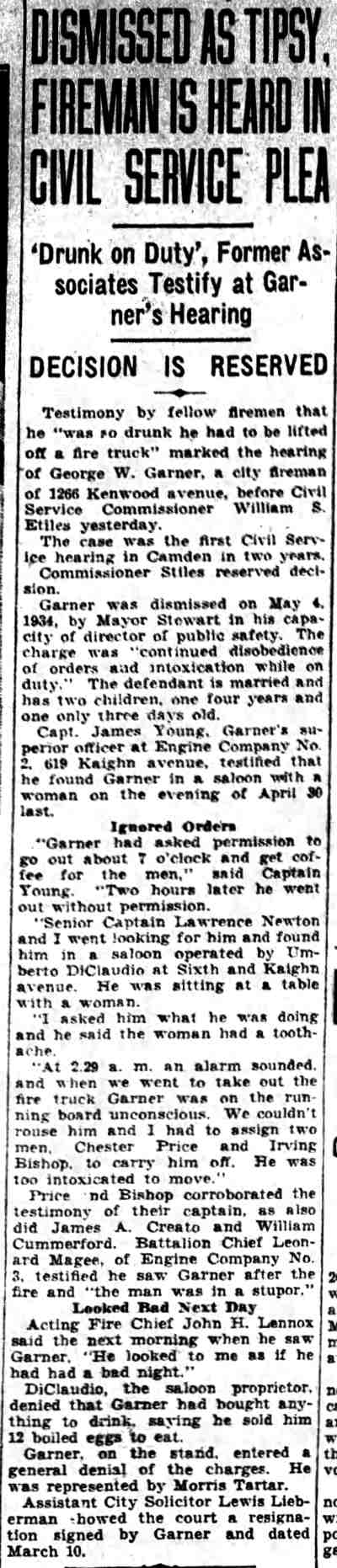
At the first Camden Civil Service hearing in two years, fellow firemen testified that dismissed fireman George W. Garner was found in a saloon at Sixth and Kaighn and was too drunk to be roused from a fire truck; the commissioner reserved decision.
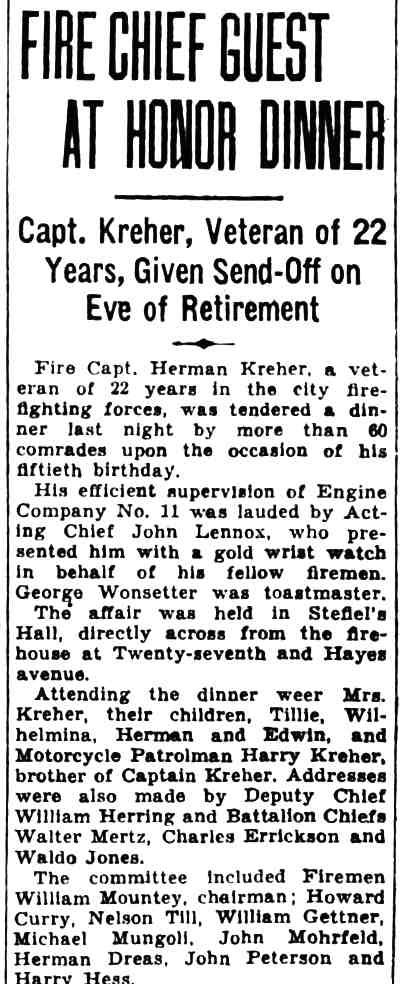
More than 60 comrades honored Fire Capt. Herman Kreher of Engine Company No. 11 at a dinner marking his fiftieth birthday and the eve of his retirement.
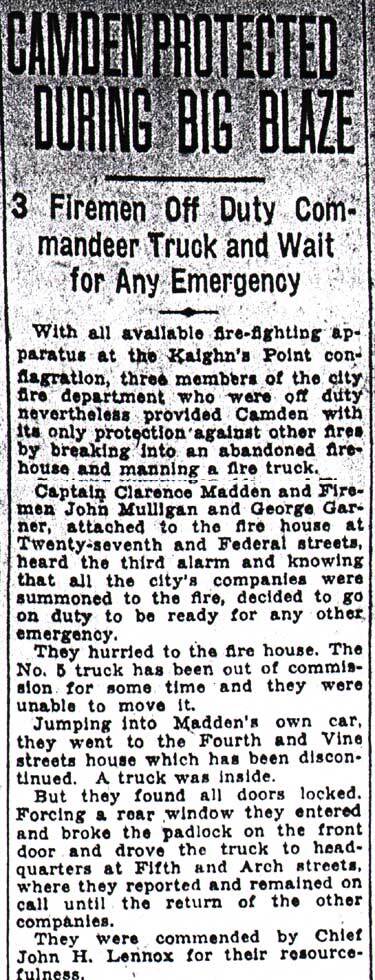
With all of Camden's apparatus at the Kaighn's Point conflagration, three off-duty firemen, Captain Clarence Madden and Firemen John Mulligan and George Garner, broke into the discontinued Fourth and Vine streets firehouse, drove its truck to headquarters at Fifth and Arch streets and stood by on call; Chief John H. Lennox commended them.

Camden Courier-Post, July 11, 1933: the Kaighn's Point fire destroyed or damaged the C. B. Coles and Sons lumber yard and seven houses on Knight and South Front streets, leaving 23 people homeless.
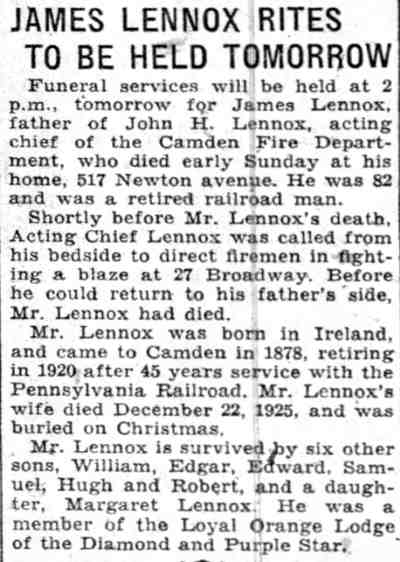
Funeral services were set for James Lennox, 82, a retired Pennsylvania Railroad man and father of acting Camden fire chief John H. Lennox, who died at his home at 517 Newton Avenue while his son was called away to fight a blaze at 27 Broadway.
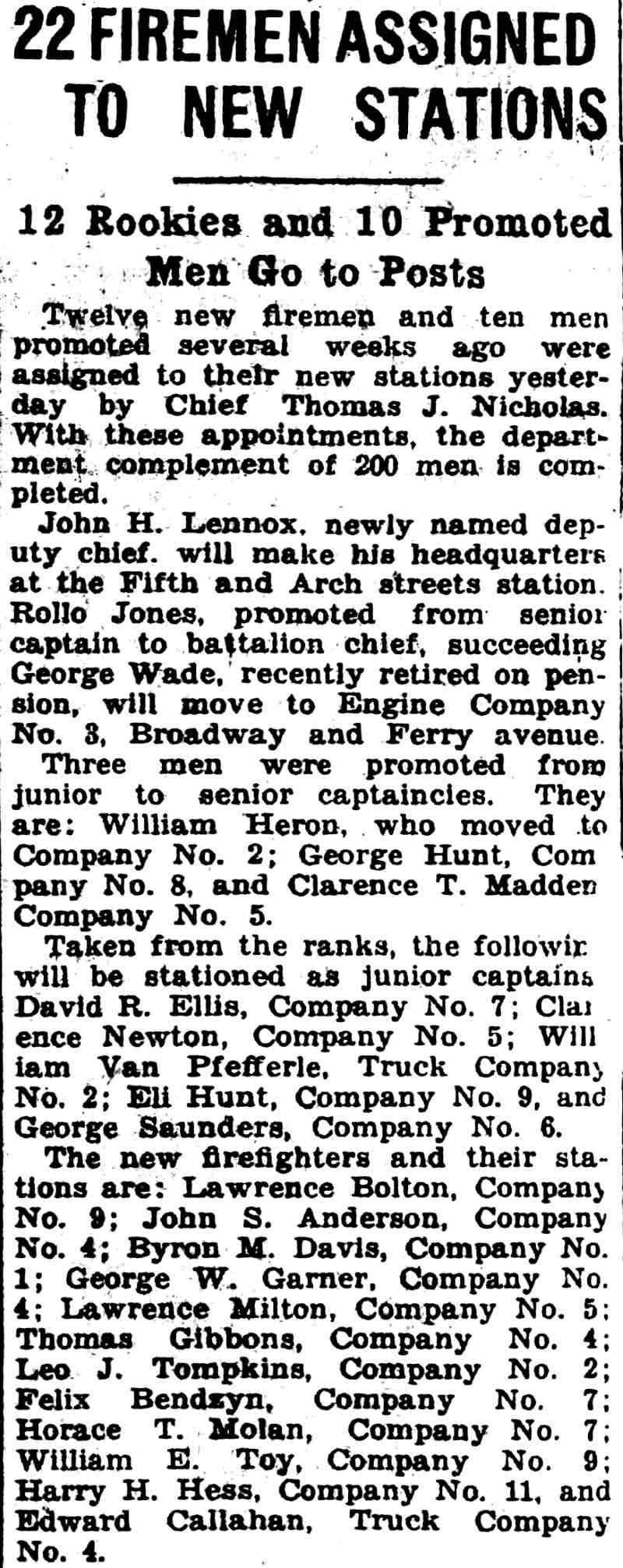
Camden Courier-Post, April 17, 1928. Twelve new firemen and ten promoted men were assigned to their new stations by Chief Thomas J. Nicholas, completing the department's complement of 200 men.
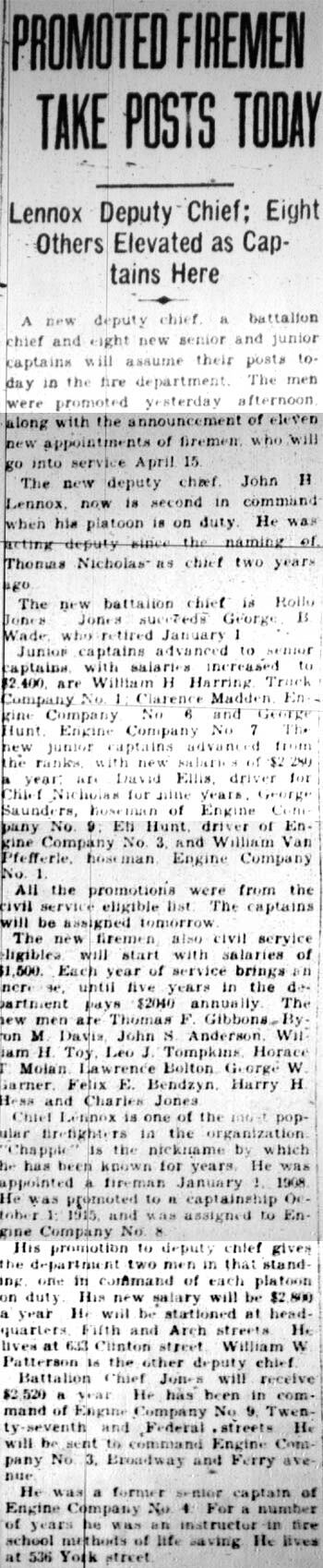
Camden Courier-Post, April 4, 1928. John H. Lennox was promoted to deputy chief and Rollo Jones to battalion chief of the Camden Fire Department, eight men were elevated to senior and junior captain, and eleven new firemen were appointed.
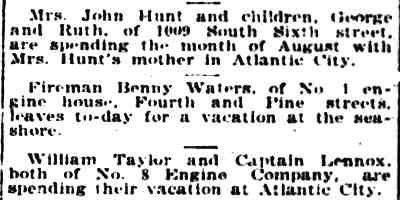
Three August 1921 personal notices from the Camden Post-Telegram: a firefighter's family, Fireman Benny Waters of No. 1 engine house at Fourth and Pine streets, and two No. 8 Engine Company men vacationing.

Fire Chief John A. Stockton resigned after thirty-one years of service and City Council chose Deputy Chief Peter B. Carter as his successor, setting off a general move up in the Camden Fire Department.
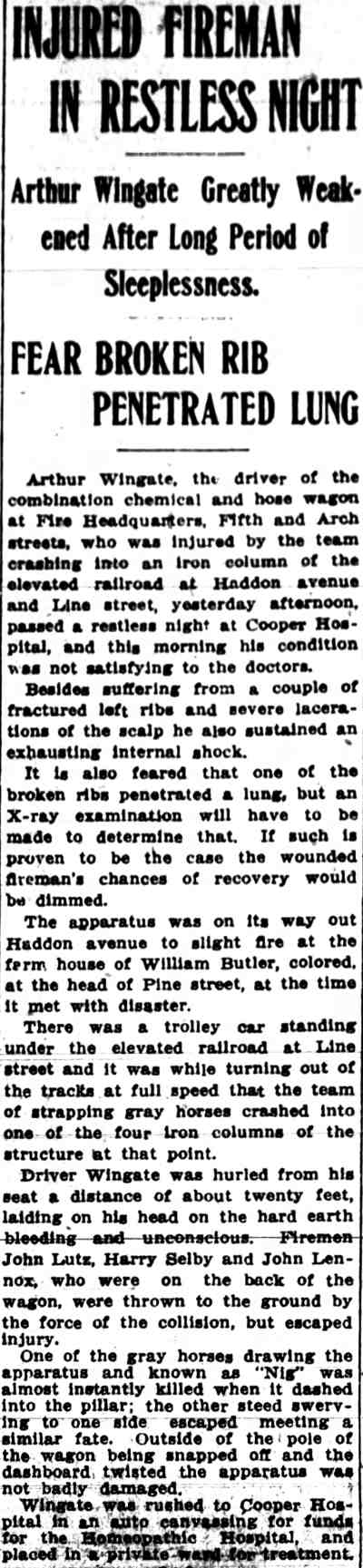
Camden Post-Telegram, May 20, 1910: fireman Arthur Wingate, driver of the combination chemical and hose wagon, passes a restless night at Cooper Hospital after the team crashed into an iron column of the elevated railroad at Haddon Avenue and Line Street.
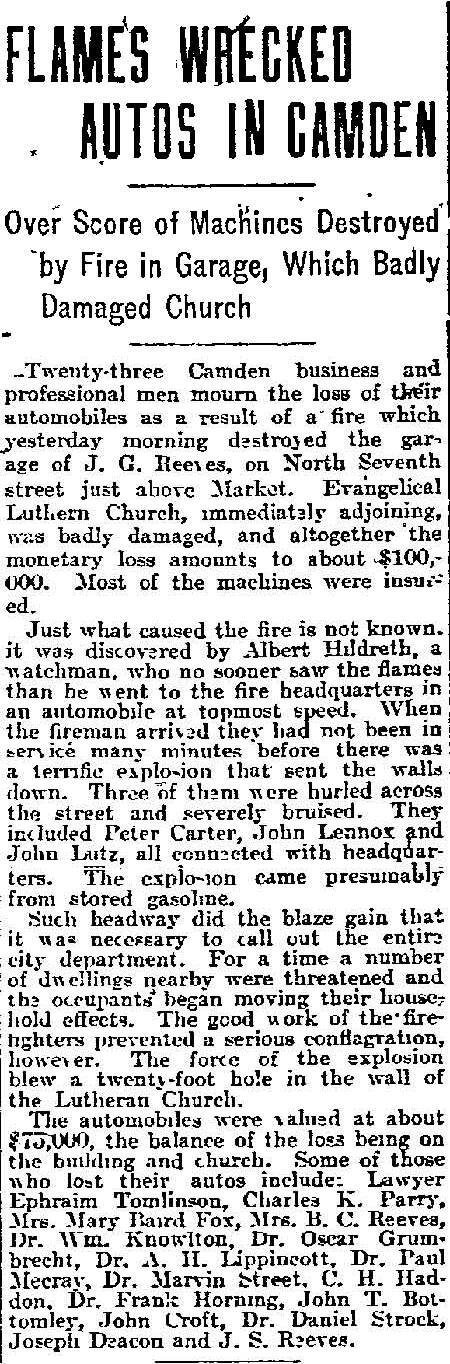
A fire destroyed the garage of J. G. Reeves on North Seventh Street just above Market, wrecking the automobiles of twenty-three Camden business and professional men and badly damaging the adjoining Evangelical Lutheran Church; an explosion hurled firemen Peter Carter, John Lennox and John Lutz across the street.