Streets
Burns Street
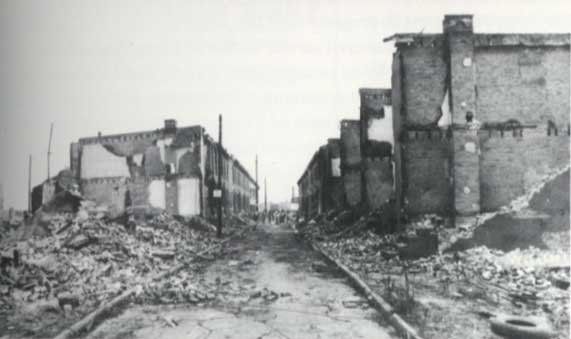
Burns Street was in Camden's Poet's Row neighborhood, named for Robert Burns. Three blocks of row homes built in the 1890s, all destroyed in the catastrophic Poet's Row fire of August 1972.
Tag
Burns Street was in Camden's Poet's Row neighborhood, named for Robert Burns. Three blocks of row homes built in the 1890s, all destroyed in the catastrophic Poet's Row fire of August 1972.

Milton Street, with Byron and Burns Streets, made up Camden's Poet's Row in North Camden; it was the northernmost of the three and the last to be completed in the late 19th century.

Clare Street is a one-block thoroughfare in South Camden, running from Pine Street to Division Street. Originally called Pine Avenue, it was renamed Clare Street between 1878 and 1890, then later renamed Jesthroe Hunt Sr. Lane in honor of a Camden firefighter who passed away in 2005.
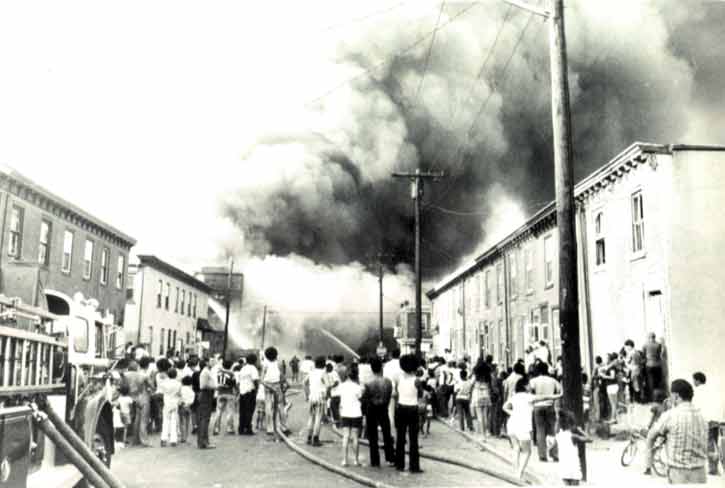
On the night of August 23, 1972, a fire that started in the former John R. Evans Co. leather factory at North 2nd and Erie Streets destroyed Milton Street, Burns Street, and the north side of the 200 block of Byron Street — the complete obliteration of Camden's Poet's Row neighborhood.

Byron Street was part of North Camden's Poet's Row neighborhood, a working-class district whose streets were named for English literary figures. The 200, 300, and 500 blocks developed in the 1890s; the 200 block's north side was destroyed in the catastrophic Poet's Row fire of August 1972.
Poet's Row, the Byron, Burns and Milton Street homes in North Camden built in the 1890s and largely destroyed by a catastrophic 1972 fire.
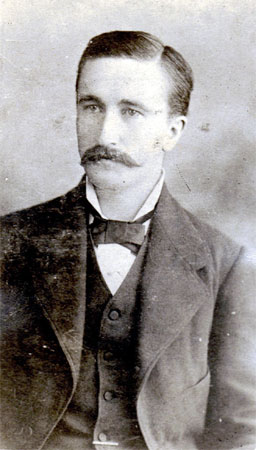
Dan McConnell (born c. 1873, Pennsylvania) was a Camden lightweight boxer of the 1890s and early 1900s, managed by Oscar A. Eastlack, who later ran an oyster house at 125 Main Street in North Camden.
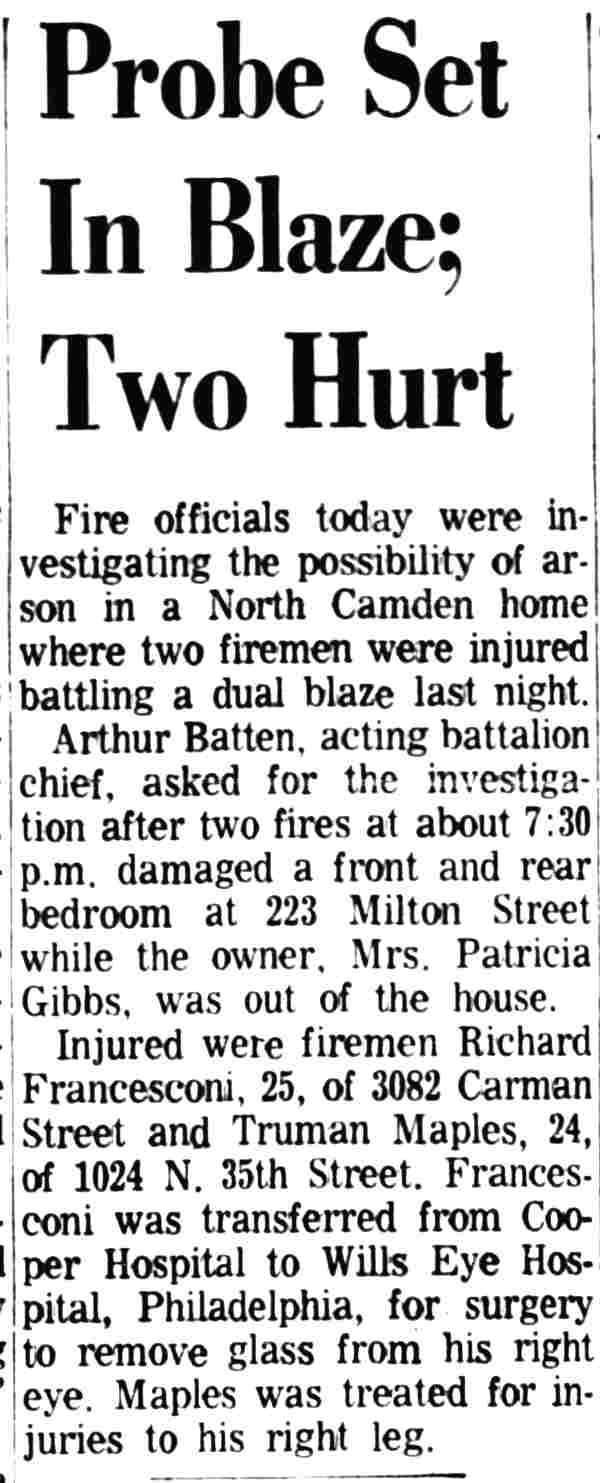
Acting Battalion Chief Arthur Batten requested an arson investigation after two fires damaged bedrooms at 223 Milton Street in North Camden and injured firemen Richard Francesconi and Truman Maples.

Charles Thomas of 1872 Milton Street and Patrick Hayes of 3 James Court, laborers for the Vulcanite Paving Company, were struck by a trolley car at Broadway and Kaighn Avenue but not seriously injured.