Stephen V. Koscianski
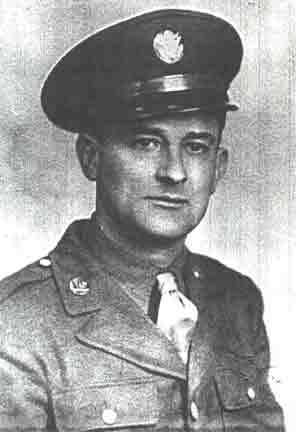
Rank: Technician 5th Class, U.S. Army
Serial: 32368010
Unit: 31st Signal Construction Company
Entered service from: New Jersey
Died: November 27, 1943
Burial: Missing in Action or Buried at Sea — Tablets of the Missing at North Africa American Cemetery, Carthage, Tunisia
Awards: Purple Heart
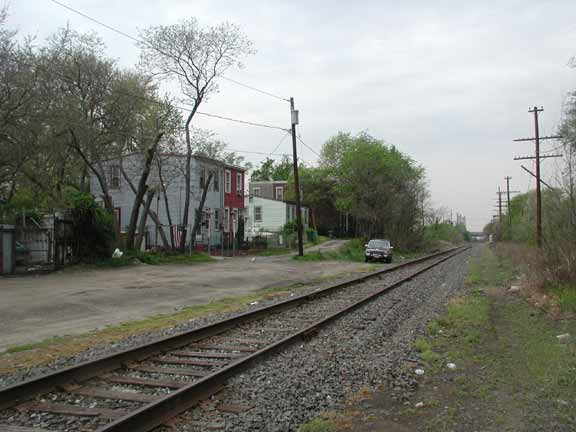
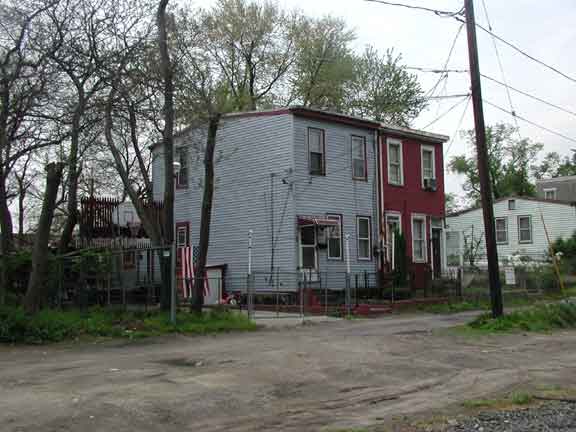
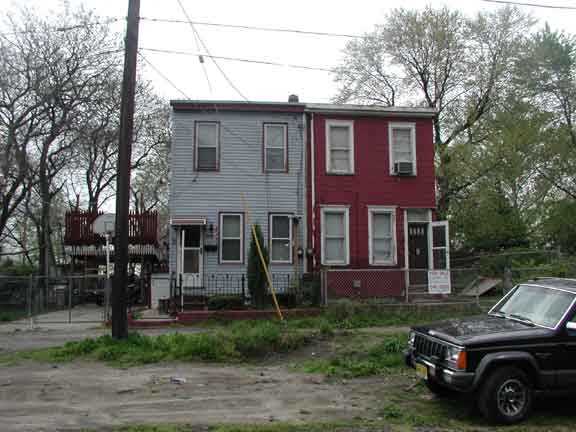
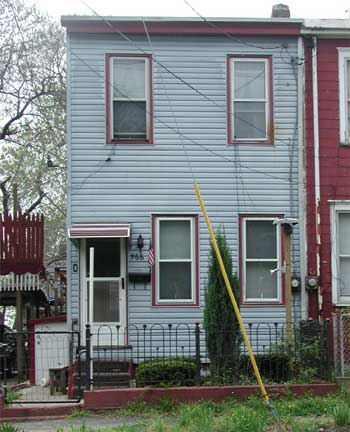
The son of Polish immigrant parents, Stephen Koscianski was born in Philadelphia, Pennsylvania on May 23, 1907. He received his early education at St. Philip's Catholic School in Philadelphia. The family, which included brothers Walter and Anthony, and sister Tillie, later moved to a house at 966 Bulson Street in Camden, NJ, where they were members of St. Joseph's Catholic Church at 10th & Liberty Streets. Stephen ran an auto salvage and used car business out of the lot adjacent to the family home. He was inducted into the Army at Camden, NJ on October 24, 1942.
After joining the Army he was assigned, along with at least 13 other men from Camden County, to the 31st Signal Construction Bn. He received training at Nashville, Tennessee and Camp Atterbury, Indiana, where he was instructed in the business of building telephone systems, raising poles, and stringing phone cable. In September of 1943 his unit shipped out of Fort Patrick Henry in Virginia on the Liberty Ship Alexander Hamilton, arriving in Oran on October 23, 1943.
While in North Africa, Stephen had the opportunity to visit the grave of Walter J. Koscianski, his older brother, who had been killed on February 7, 1943. He also wrote home several times, to his mother Antonia, sister Tillie Krajewski, and nephew Ronald.
On November 24, Stephen and his company boarded the HMTS Rohna, a British operated ship that was being used as a troop carrier. The Rohna was to join a convoy whose final destination was to be India by way of the Suez Canal. The Rohna joined the convoy on November 26, 1943.
Later that day, the convoy was attacked by German airplanes. The convoy fought their attackers successfully until one plane launched a radio controlled guided missile, which hit the Rohna in its engine room and blew holes in both sides of the ship. Over 300 men were killed instantly. Many, many more were lost in attempting to flee the rapidly sinking ship, and in the water. Of the survivors, many spent as much as 10 hours in the fifty degree water before being rescued. Lifeboat drill never had taken place, the civilian crew lent little or no assistance in getting the troops off the ship, and much of the rescue equipment simply did not work. An eyewitness to the sinking later told the family that Stephen had made it off the ship and into the water; this however has not been verified and may never be. Before the sun rose on November 27, a total of 1,015 American soldiers and 3 Red Cross workers were lost that day. Only the loss of the USS Arizona at Pearl Harbor exceeded the Rohna sinking in terms of American lives lost.
Stephen's mother was notified by telegram that her son was missing in action shortly thereafter. No other word was given until the following June, when telegrams were sent to some, but not all, of the families of South Jersey men lost. The official announcement that Stephen and the others were lost was not published by the Department of War until June 13, 1944, over six months after these men were killed, and the local public was made aware when the news was published in the local newspaper, the Courier-Post, on that day.
The loss of the Rohna was kept a secret to the American public for many years. The government as late as 1993 was not responding to requests for information about this incident. While the Koscianski family received some information after the war by an eyewitness to the sinking, most families never knew the details of their loved one's fate. Virtually all of the parents involved never learned what became of their sons.
To learn more about the sinking of the Rohna, how the truth finally came to life, and how survivors and the next of kin have dealt with the situation, visit the Camden NJ HMTS Rohna Memorial.
Photos
Tag: stephen-v-koscianski
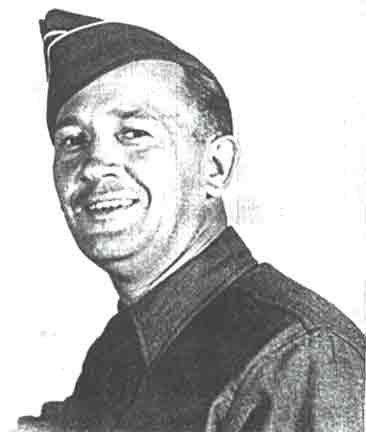
Walter J. Koscianski
Private Walter J. Koscianski of 966 Bulson Street, Camden, served with the 63rd Signal Battalion. Born in Philadelphia in 1905, the oldest son of Polish immigrant parents, he drove a truck for the City of Camden's Highway and Parks Departments for five years before his induction in June 1942, and died on February 6, 1943 while driving a truck in Algiers. He is buried at the North Africa American Cemetery in Carthage, Tunisia.
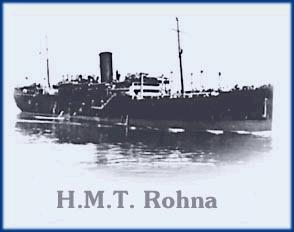
Camden County, NJ HMT Rohna Memorial
Twelve soldiers from Camden County, NJ died when the troop transport HMT Rohna was struck by a German guided glider bomb and sank off the coast of North Africa on November 26, 1943 — one of the greatest maritime disasters of World War II.
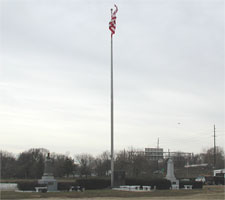
Polish Heroes War Memorial
The Polish Heroes War Memorial at Cooper River Park in Pennsauken, N.J. (Park Drive and Route 130) unites three monuments — to Casimir Pulaski (1936, moved here 1984), Thaddeus Kosciusko (1984), and, since 1995, the members of St. Joseph Roman Catholic Church of South Camden who died in World War II.
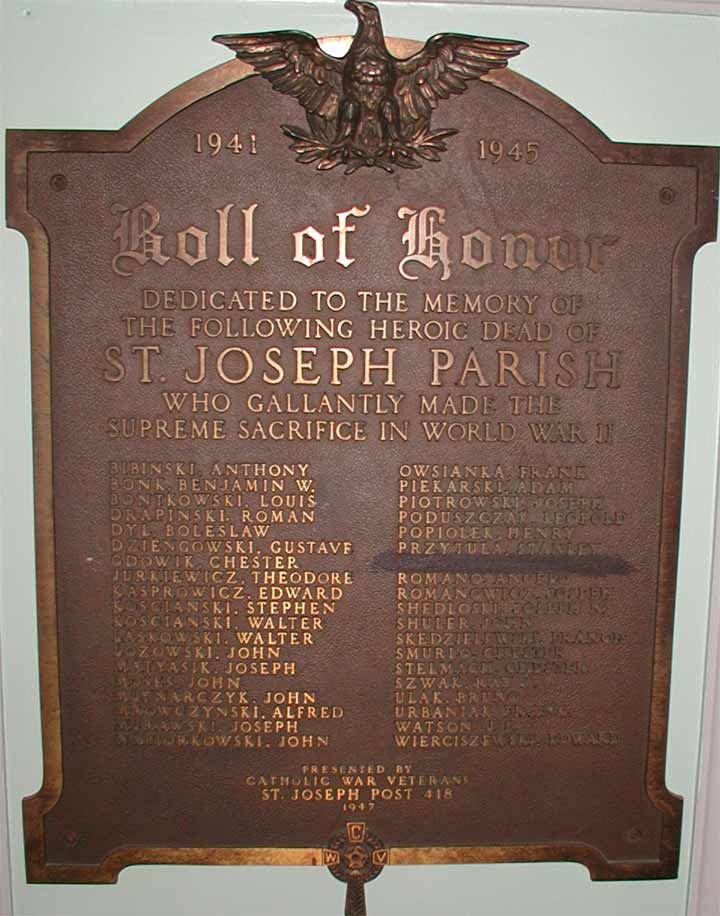
St. Joseph's Parish WWII War Memorial
A bronze plaque in the vestibule of St. Joseph Church at 10th and Liberty Streets in Camden, presented by the Catholic War Veterans, St. Joseph's Post 418, and dedicated April 3, 1949, honoring the parish's heroic war dead of World War II.
15 Dead, 2 Missing from South Jersey
The War Department's June 13, 1944 casualty list named fifteen South Jersey men killed and two missing, among them Corporal Stephen V. Koscianski of 966 Bulson Street, Camden — one of twelve on the list who had been lost with the troopship HMT Rohna in the Mediterranean seven months earlier.