Streets
Sheridan Street
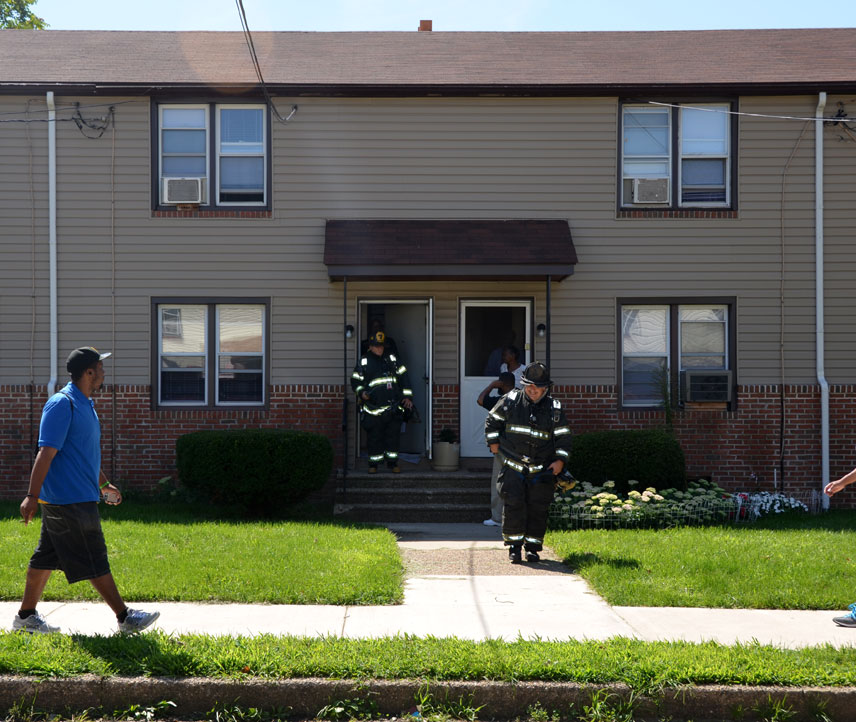
Sheridan Street is a residential street in Camden, NJ named for Civil War General Philip Sheridan. It originally ran from Warsaw Street east to Davis Street, later extended to South 10th Street.
Tag
Sheridan Street is a residential street in Camden, NJ named for Civil War General Philip Sheridan. It originally ran from Warsaw Street east to Davis Street, later extended to South 10th Street.
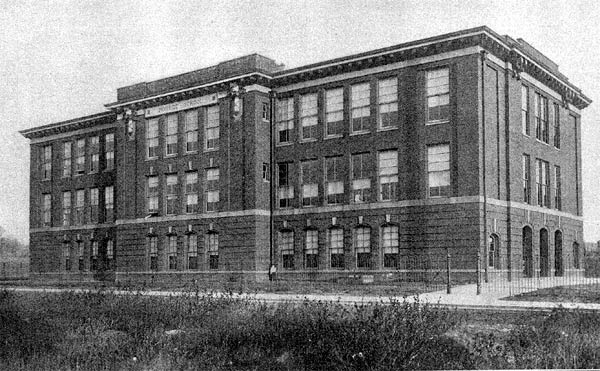
Wildwood Avenue runs through Camden's Parkside section from Haddon Avenue to Park Boulevard, west of Baird Avenue. Many prominent Camden citizens lived there, especially in the 1500 block near Camden High School and Forest Hill Park.
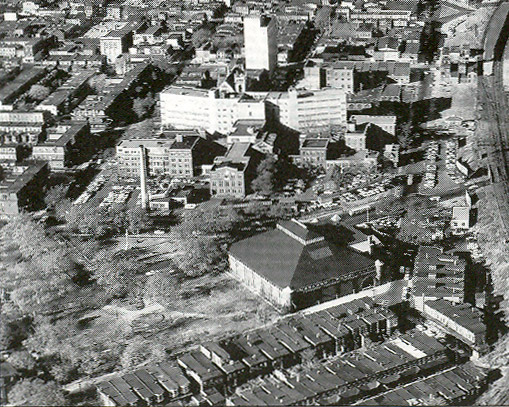
Carteret Street, in Camden's old Ninth Ward, ran just two blocks from Mickle Street to Newton Avenue. Built after 1891, the street fell victim to the construction of Interstate 676 in the 1970s.
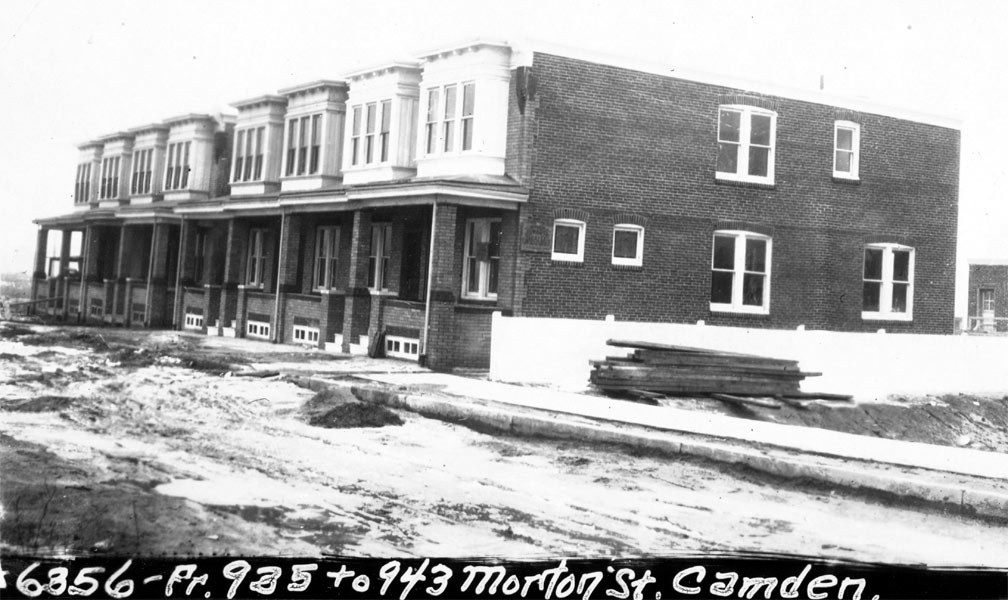
Morton Street runs from South Ninth Street east to Haddon Avenue, two blocks south of Everett Street, in South Camden.
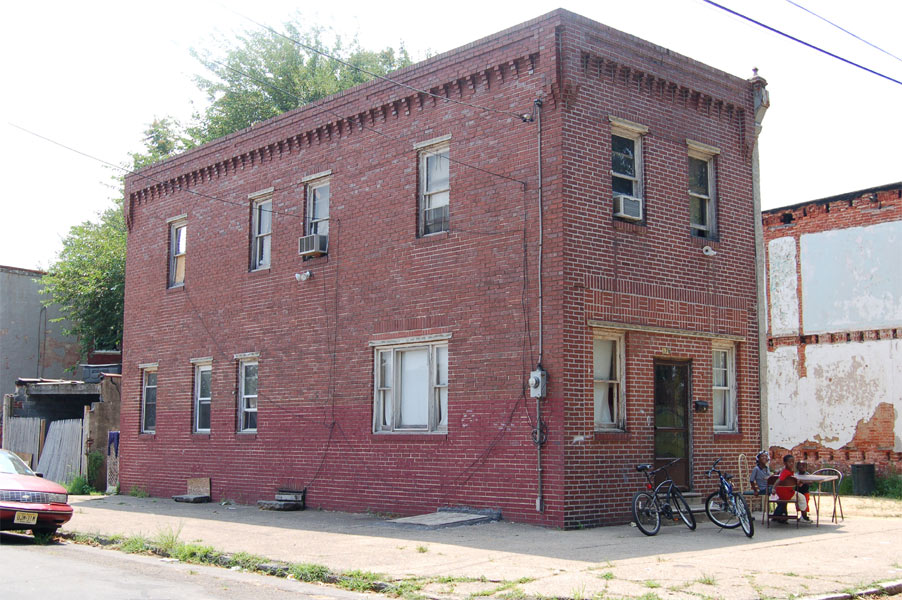
Louis Street runs between Haddon Avenue and Mount Ephraim Avenue, from Mount Vernon Street south to Sheridan Street. Primarily residential with many corner businesses, it passes Whitman Park and was devastated by the crack epidemic of the 1980s.
George Schatz (1903–1987) was a Camden entrepreneur who founded George's Auto Service in 1924 and grew it into one of South Jersey's largest and most modern automobile service businesses. He lived at 29 South 38th Street in East Camden from 1936.
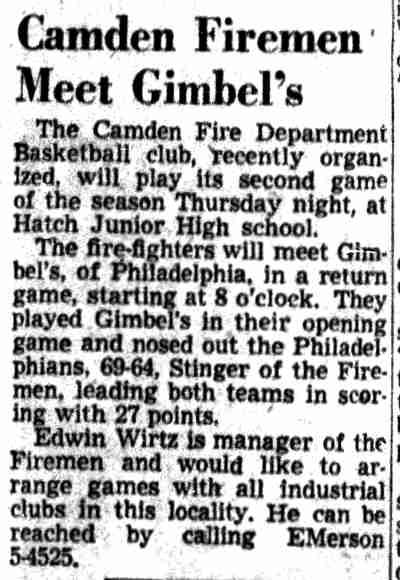
Edwin Stanley Wirtz (1914–1975), son of Camden policeman Stanley R. Wirtz and grandson of Camden fireman James McDade, was appointed to the Camden Fire Department in October 1943 and served 22 years, retiring in October 1965 as an inspector in the Fire Marshal's office.
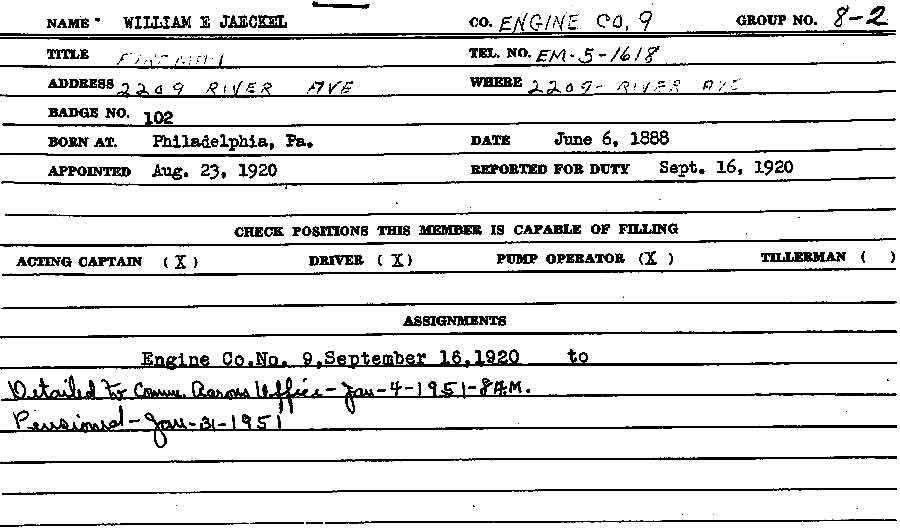
William E. "Pud" Jaeckel (1888–1961) joined the Camden Fire Department in 1920 and served over thirty years with Engine Company 9 at North 27th and Federal Streets in East Camden, retiring on pension in January 1951.
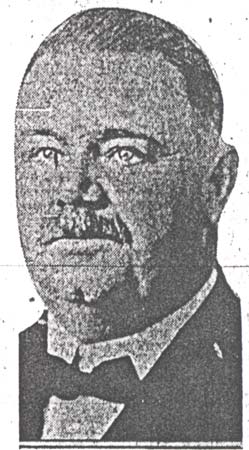
Edward S. Hyde rose through the Camden Police Department from patrolman to acting chief, served as a Camden County Freeholder, and died in 1930.
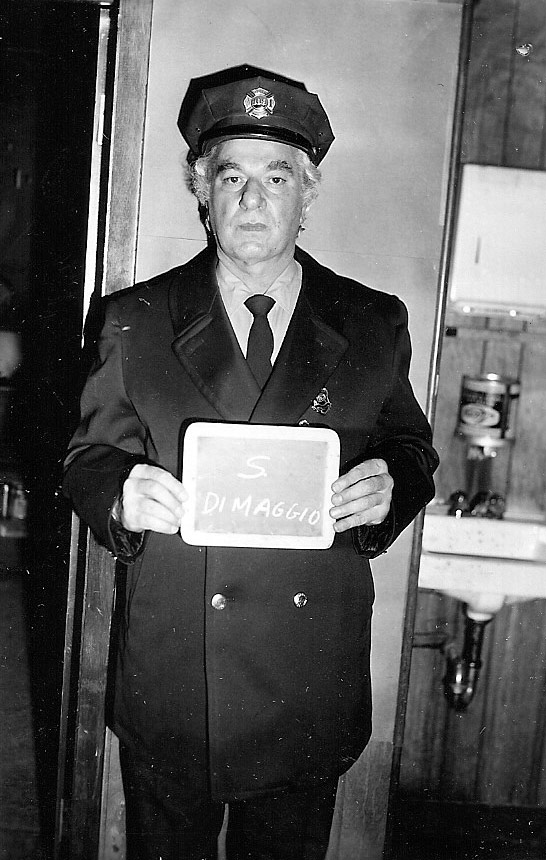
Santo DiMaggio (1918–1973) was a Camden firefighter who joined the department in January 1951 and served with Engine Company 3.

Diamond Street is a one-block thoroughfare in Camden that runs south from Mount Vernon Street to Chestnut Street, west of Haddon Avenue. Many of its early residents were Polish immigrant families near St. Joseph's Roman Catholic Church.
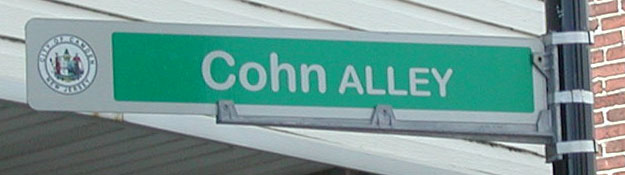
Cohn Alley is named after Edward N. Cohn, a prominent figure in Camden's real estate and construction circles during the 1880s and 1890s. The alley runs east from Haddon Avenue, between Kaighn and Liberty Streets, and never had any formal addresses.
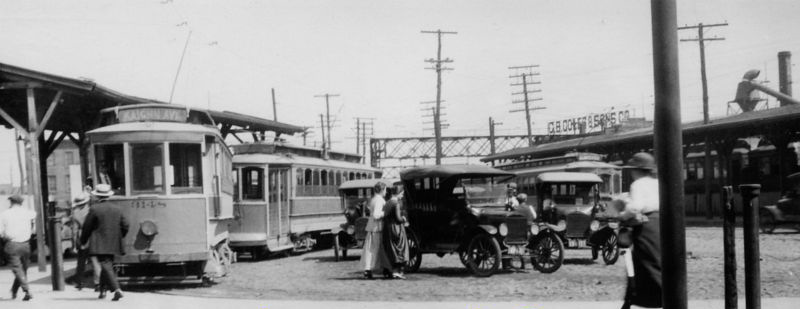
One of Camden's major east-west streets, running from Kaighn's Point at the Delaware River east to Admiral Wilson Boulevard and the Airport Circle in Pennsauken, with block-by-block address histories from the 1860s through the early 2000s.
James Francis "Soup" Campbell was born on December 24, 1897, in Homestead, Pennsylvania. He likely learned to play basketball at the Homestead YMCA under the guidance of Sandy Shields, a star of the 23rd Street Wanderers.

Cooper Browning Hatch was a prominent citizen of Camden in the late 19th and early 20th centuries. He was born to Joseph and Mary Hatch in a farmhouse that now houses the Camden County Historical Society.
Starr Avenue ran northeast from Border Street to Federal Street near the Cooper River and was named for Jesse W. and John F. Starr, founders of Camden Iron Works. It was later renamed Mt. Ephraim Avenue.
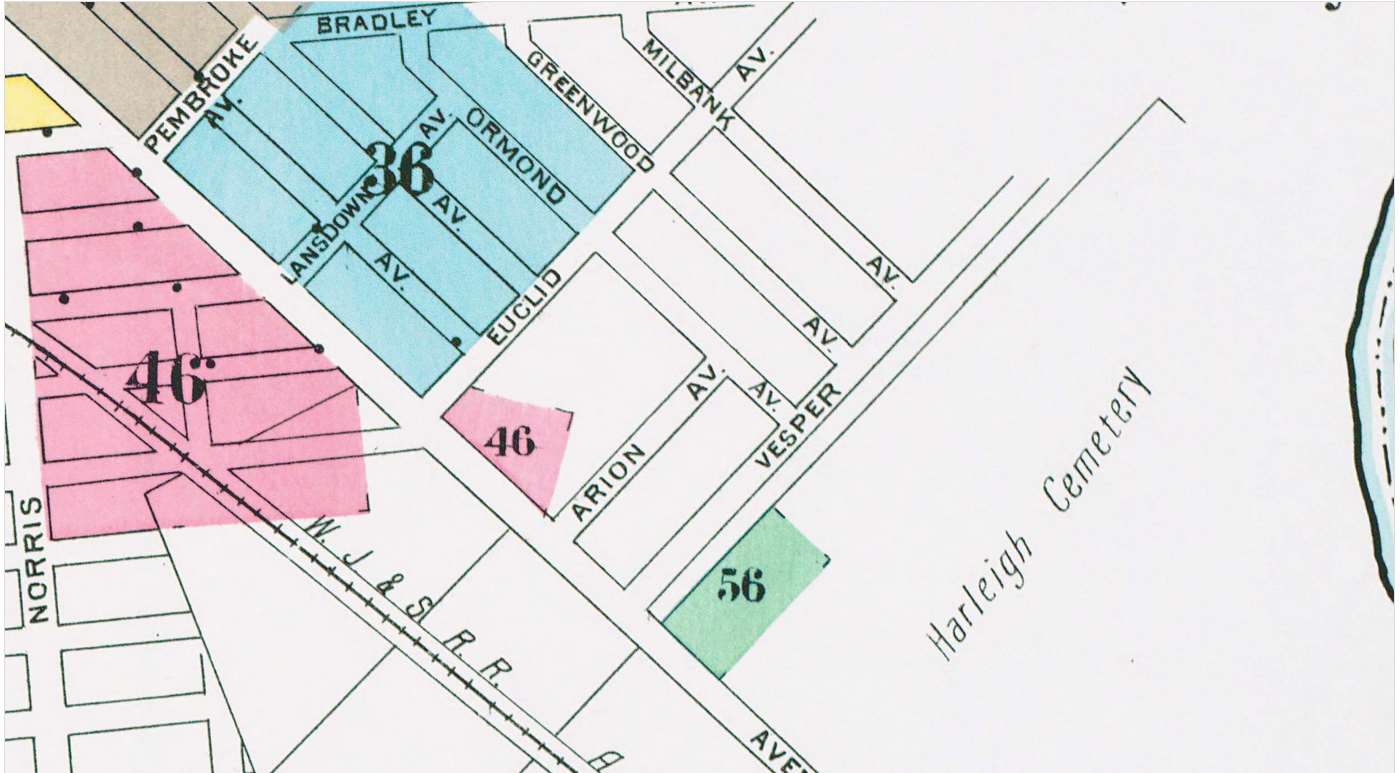
Crefeld Street is a short street running east from 1540 Haddon Avenue that originally ran alongside the Convent of the Dominican Sisters of the Perpetual Rosary Shrine before becoming part of the Our Lady of Lourdes hospital grounds.

Henry Roy Steele, widely recognized in Camden, New Jersey, for his basketball prowess and as a tavern owner, left a lasting legacy despite his passing in 1946.

Charles Hobart Corson, commonly known as Hobart Corson , was born in Camden, New Jersey, on July 23, 1902, to W. Penn Corson and his wife, the former Catherine Kronenwetter.
1177 Haddon Avenue, Camden, NJ Originally located at 2000 South 7th Street in Camden, the Wite 60 Minute Cleaning Service relocated to 1177 Haddon Avenue in the 1960s.

As Told by Dr. Stuart Gottlieb M.D. Since I grew up in Camden and worked with my dad at the family business on Mt Vernon St. from the time that I could hold a knife, about age 7 (1947),the site visit was particularly nostalgic.
Erie Street in North Camden runs from Beach Avenue to 9th Street, crossing Delaware Avenue, Point, Front, Segal, and the numbered streets 2nd through 9th.

Frank B. Hanna was born in New Jersey in 1894. He married Rachel Thomason around 1914, and they had a daughter, Elizabeth, the following year. By January 1920, the Hannas were residing at 5315 Locust Street in Philadelphia.

Ringold Street was a one-block Camden street running from Line Street to Pine Street near Haddon Avenue, razed by the 1960s for Campbell Soup parking.
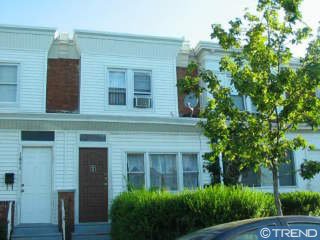
Bradley Avenue runs east from 1400 Haddon Avenue to Euclid Avenue in the Parkside section of Camden.
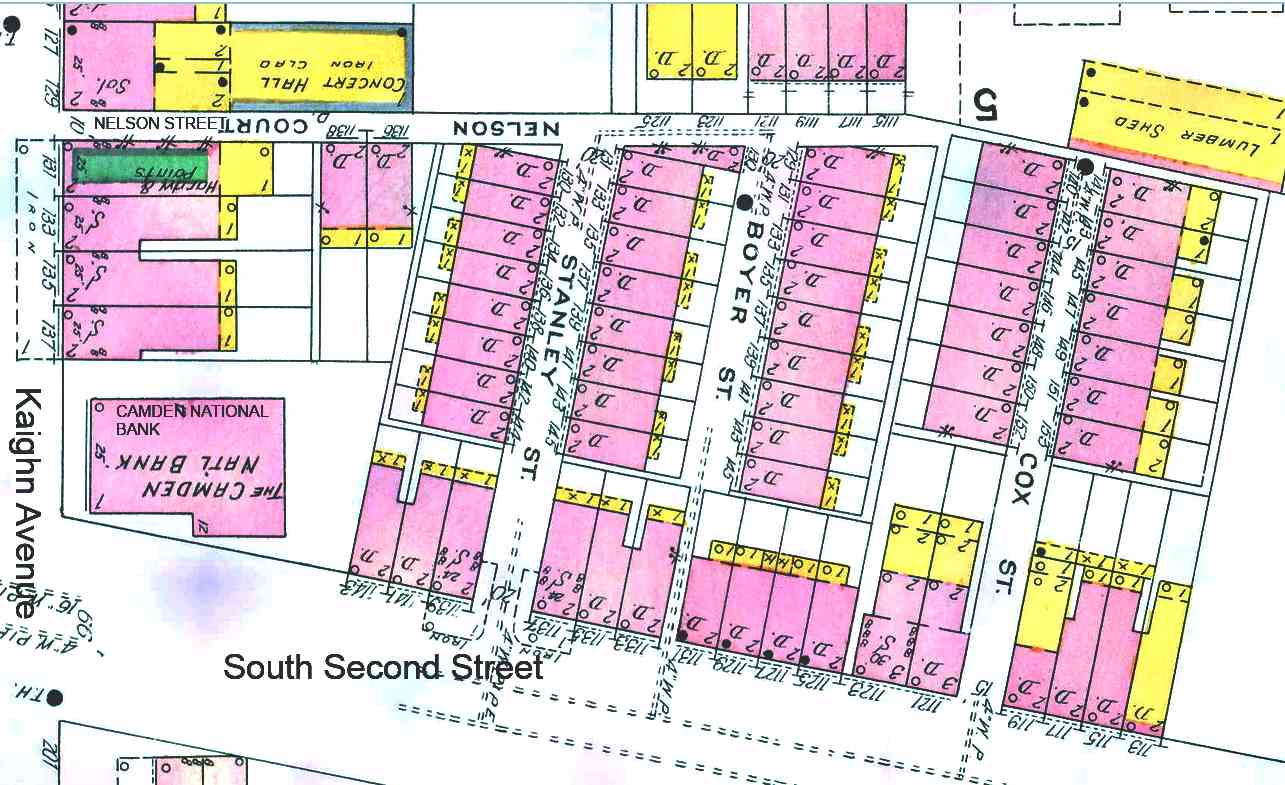
Boyer Street, also known as Boyer Court, was a half-block dead-end street running east from Nelson Street in South Camden. Eight brick homes on the north side were built in the early 1890s and demolished after World War II for industrial development.
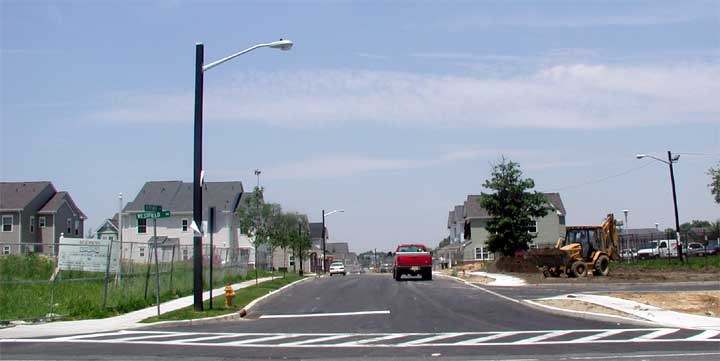
Beideman Avenue runs through Camden's Cramer Hill and East Camden sections, east of North 32nd Street, from the Delaware River south to Cleveland Avenue and from Lemuel Avenue through what was Westfield Acres to Westfield Avenue. It was named for the Beideman family, who owned a great deal of land in northern Cramer Hill before its residential development.
Albert Court, also called Albert Place, ran west from Haddon Avenue below Sycamore Street and has no listings in the 1924 or 1947 city directories. Includes a 1932 Courier-Post article on little-known city streets.

Laet's Lane appears as an un-named alley on the 1891 Sanborn Map, running from Trenton Avenue toward Haddon Avenue between 539 and 541 Trenton Avenue until new houses cut it off from Haddon Avenue.

Copewood Street in Camden runs west of Haddon Avenue opposite Harleigh Cemetery to Davis Street; laid out in 1917, it has only one building that ever carried a Copewood Street address and is best known for providing access to the Ferry Avenue PATCO station.

Named for James G. Blaine, the 1884 Republican presidential candidate, Blaine Street ran from South 7th Street to Trenton Avenue and through to Haddon Avenue. No houses stand on Blaine Street today.

Seward Street is one of Camden's "forgotten streets," though it still exists on the map. The page includes the 1905 Sanborn Map showing it near Blaine Street, Trenton Avenue and Haddon Avenue.

Mount Ephraim Avenue in Camden, NJ, dates to 1878 as the Mount Ephraim Turnpike toll road; part of it was known as Border Street until the 2000s.

Atlantic Avenue lies three blocks south of Kaighn Avenue and runs from Front Street east to Haddon Avenue. East of 7th Street it was and remains a mix of homes and commercial properties; between 7th and 9th Streets, I-676 and the elevated rail line cross the street, and east of 9th Street it is primarily residential.

York Street in North Camden stretches from Delaware Avenue to 10th Street, crossing Beach, Point, Front and Howard Streets. The page includes 2004 photographs looking east and west along the street.

Edward N. Cohn was born in 1832. On the 1870 U.S. Census, he reported his birthplace as Bohemia, while in the 1880 Census he listed it as Germany. It is likely he was born in a region that is now part of the Czech Republic.

Haddon Avenue is one of Camden's oldest roads, dating to at least 1792 as a bridle path and incorporated as the Haddonfield & Camden Turnpike in 1839. It runs southeast from Federal Street to the city limits toward Collingswood, Haddon Township, and Haddonfield.
Mickle Street, also known as Martin Luther King Jr. Boulevard, is a major east-west road in Camden, named for John W. Mickle, a Federal Street Ferry organizer with a large stake in the Camden and Amboy Railroad.

Camden, NJ had two Convention Halls: the first on Memorial Avenue at Line Street, the second the former Third Regiment Armory on Mickle Street.
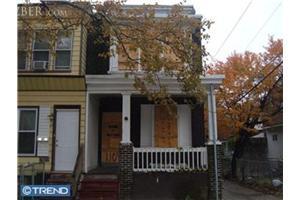
Langham Avenue runs south through Parkside from Walnut Street to Baird Avenue; in the decades after World War I it was home to many prominent members of Camden's Jewish community.
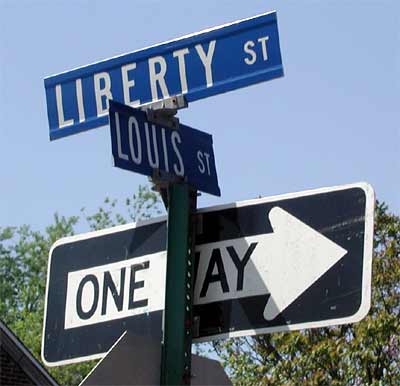
Liberty Street, listed in the 1850 Camden City Directory, was in the early 20th century a culturally diverse area west of Broadway, home to ethnic communities employed in nearby factories and stores.

Pine Street is one of Camden's "tree" streets and the only one that intersects Haddon Avenue. The page includes the 1891 Sanborn Map and a view of old row homes east of Broadway.
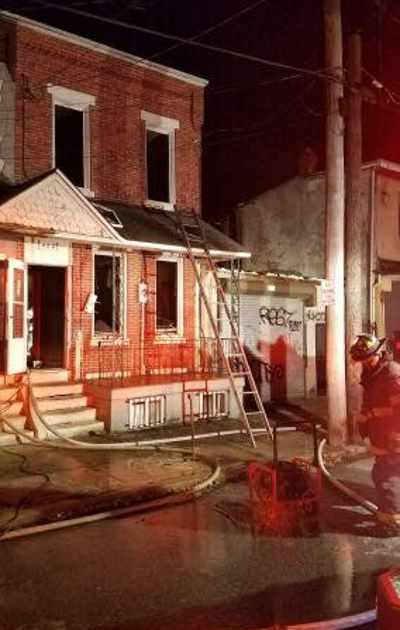
Berkley Street was originally spelled Berkeley Street, named for Lord Berkeley, who co-owned the colony of New Jersey from 1664 to 1674. East of Broadway it was known as Hamilton Street until 1882. This page covers occupants from the 200 block through the 3000 block.

JOSEPH ARBANO was born in New York on August 11, 1895 to Domenic and Amerosa Arbano. Domenic Arbano had come to America in 1885 with his oldest son, James, in 1885. By 1917 the family had moved to 203 Royden Street in Camden NJ.

Arch Street ran from Delaware Avenue to North 5th Street between Federal and Market Streets in downtown Camden. Formerly known as Plum Street, it was home to Oetzel's Saloon, the Genova Cafe, the Collings Carriage Company, and the Camden Fire Department headquarters at 5th and Arch.
A Camden City firefighter was hospitalized for heat-related issues after a one-alarm fire gutted a vacant former beauty salon at 940 Haddon Avenue on July 29, 2011.
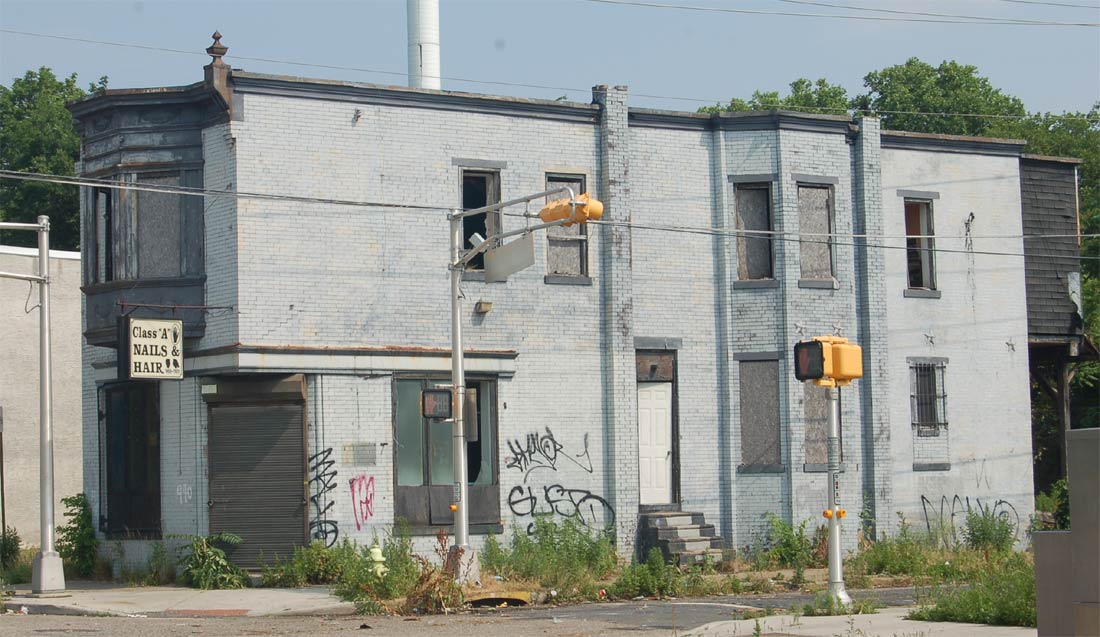
On July 29, 2011, arsonists set fire to a vacant former nail salon at 940 Haddon Avenue in Camden's Parkside section. The building was gutted; one firefighter, Dom Barrett, was treated for heat-related issues amid 90-plus-degree temperatures.

In September of 2009 Sandy White-Grear of the Haddon Township Historical Society sent the following article on the history of the A.N. Stollwerck chocolate factory which stood for many years at 1649-1651 Haddon Avenue .
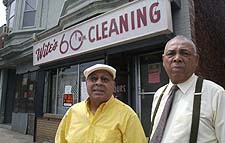
Changes in clothing, economy lead brothers to close Camden business By JEANNE RIDGWAY, Courier-Post Staff CAMDEN — The dry cleaning business isn't what it used to be, and David White, 76, and his brother Benjamin, 75, are finally calling it quits.
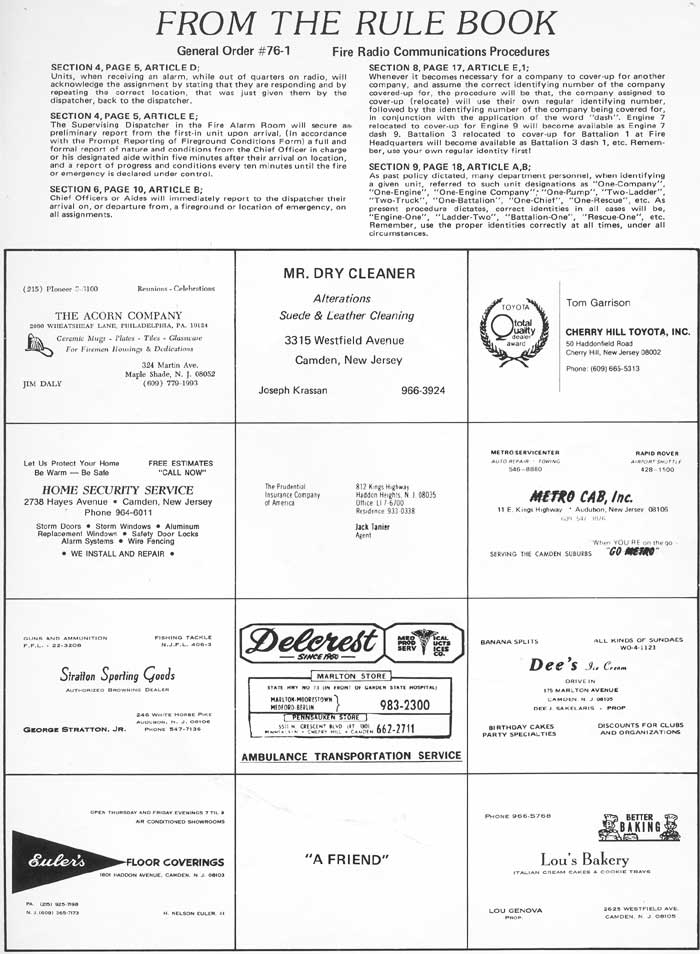
A page from the Spring 1977 Fire Watch Magazine reprinting excerpts of Camden Fire Department General Order #76-1 on fire radio communications procedures, with an "Our Patrons" advertisement grid including Euler's Floor Coverings at 1801 Haddon Avenue.