People
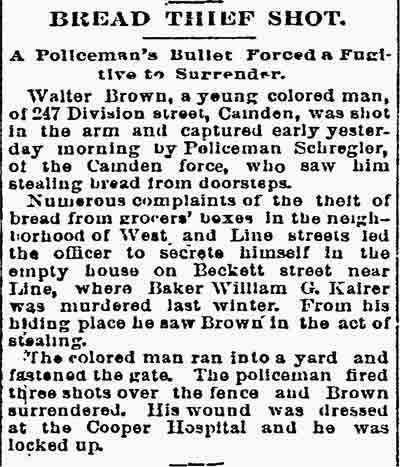
William Schregler
William Schregler (1867–1927) served as a Camden detective for four decades, rising to Captain of Detectives and briefly serving as Acting Chief of Police in 1906.
Tag
William Schregler (1867–1927) served as a Camden detective for four decades, rising to Captain of Detectives and briefly serving as Acting Chief of Police in 1906.
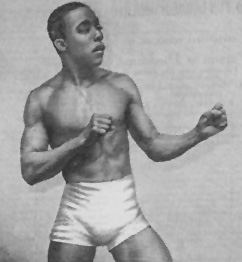
Walter Edgerton (1854–1930), Camden professional boxer who fought as "Kentucky Rosebud." A featherweight who boxed professionally from 1886 to 1921, fought featherweight champion George Dixon, and won a bout past age 60.

Henry Houston "Harry" Franks served as Camden's Chief of Police from April 1, 1886 until his death on January 1, 1887. A Civil War veteran of the 25th New Jersey Volunteer Infantry and a tobacconist, he served as constable of the Third Ward before his appointment as chief.
Physician, pharmacist, and Camden's first Medical Inspector; later Health Director and chief school physician who shaped public-school health care in Camden for a generation.
Virgil Willett was born in Pennsylvania around 1838 to Joseph P. and Elizabeth Willett. His father worked as a mason, and Virgil spent his early years in Moorland, Montgomery County.

Edward Schlorer was born in Baden, Germany, in 1860. He came to Camden in 1889 to join his younger brother, Adam Schlorer , who had established a meat business at Second and Arch Streets .
Edward Adam Preisendanz was the son of Rudolph and Annie Preisendanz and was born in Camden, New Jersey, on November 14, 1883.
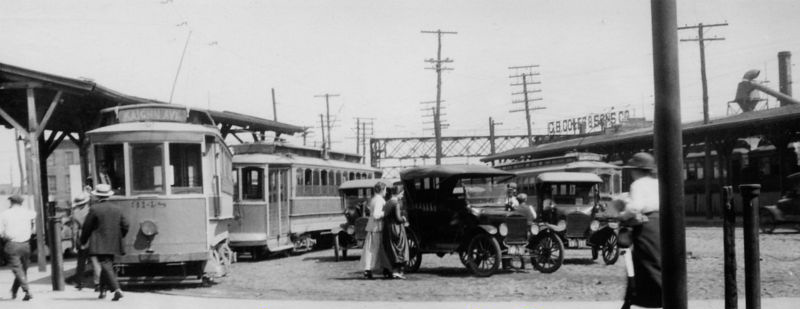
One of Camden's major east-west streets, running from Kaighn's Point at the Delaware River east to Admiral Wilson Boulevard and the Airport Circle in Pennsauken, with block-by-block address histories from the 1860s through the early 2000s.
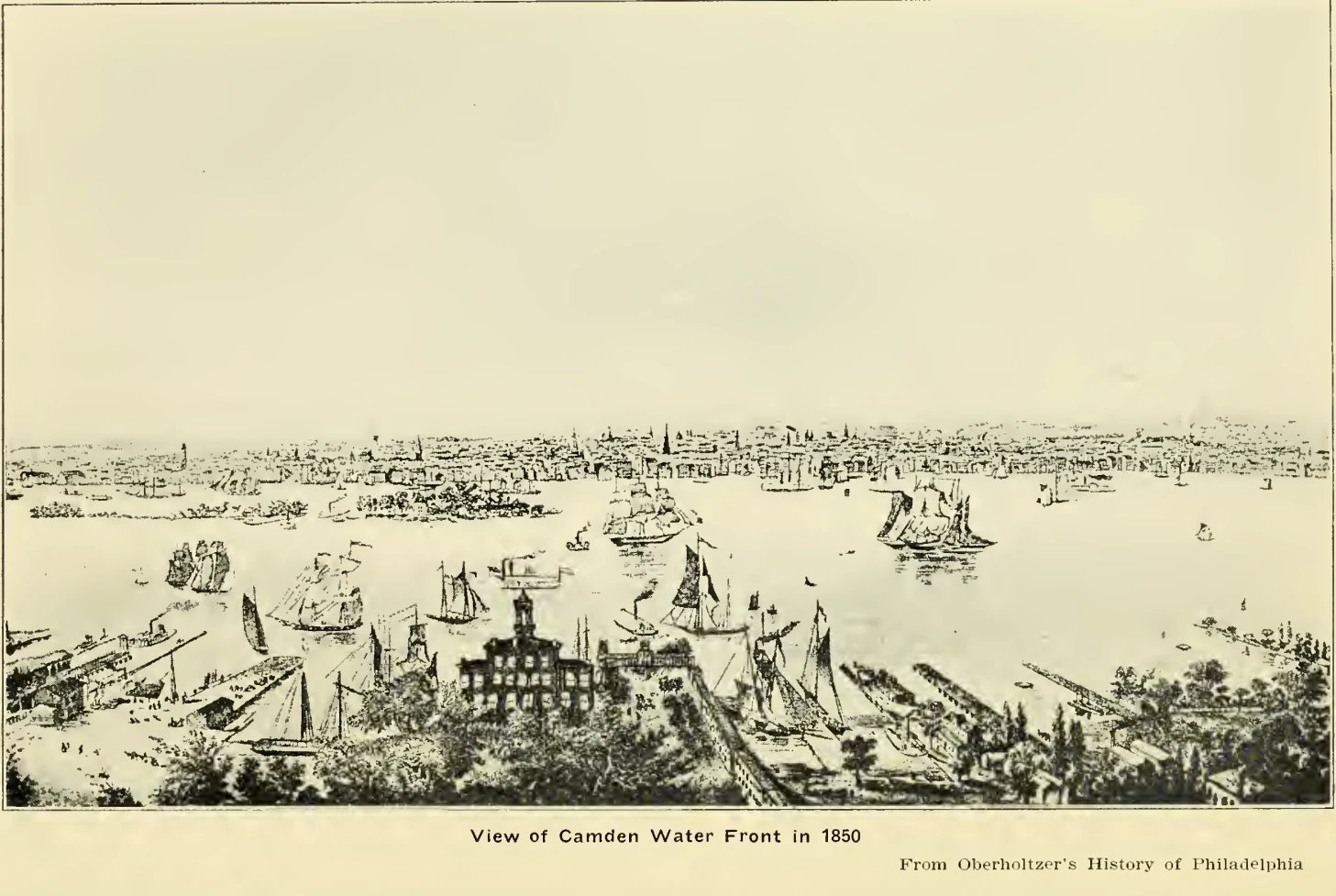
Annals of Camden No 3 - Old Ferries - Camden NJ Download In this age of inventions, improvements and ever-changing modes of transportation, the ferry boat is still an important factor in carrying the traveller across that "goodly and noble" river which forms the boundary between the two Quaker Colonies of New Jersey and Pennsylvania.
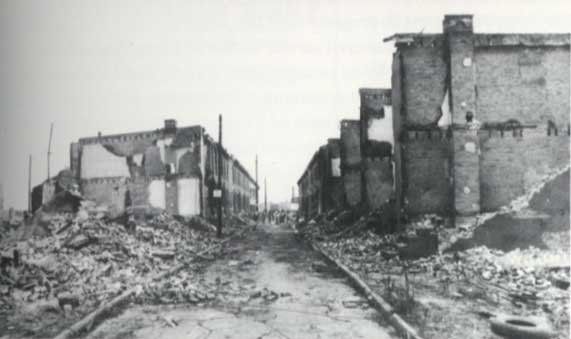
Burns Street was in Camden's Poet's Row neighborhood, named for Robert Burns. Three blocks of row homes built in the 1890s, all destroyed in the catastrophic Poet's Row fire of August 1972.

Augustus F. Werner was born around 1870. According to the 1920 Census, he was born in Texas to German-speaking parents who had emigrated from the Lorraine region, which was then part of France. He met and married his wife, Annie, around 1891.
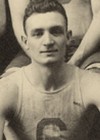
James Francis "Soup" Campbell was born on December 24, 1897, in Homestead, Pennsylvania. He likely learned to play basketball at the Homestead YMCA under the guidance of Sandy Shields, a star of the 23rd Street Wanderers.

Spring Street in South Camden dates to at least 1850 and was mapped by 1891 running north-south from Clinton Street, between Second and Front Streets; its planned extension south to Walnut Street was obstructed.
Camac Street, often confused with Gant Street, was a short Camden, New Jersey street running between the Delaware River and South 2nd Street below Kaighn Avenue.

Carman Street ran from Broadway through East Camden to Woodrow Wilson High School at South 31st Street, named for William Carman whose home stood at the corner of Broadway and Federal Street until 1902.

aka Claudius W. Bradshaw School; aka Challenge Square Academy; aka Met East High School 1151 Kaighn Avenue Camden had become an industrial city by the 1880s, and although the country went into an economic slump in the early 1890s, generally referred to as "the panic of 1893," the city continued to grow and with it the need for new schools.
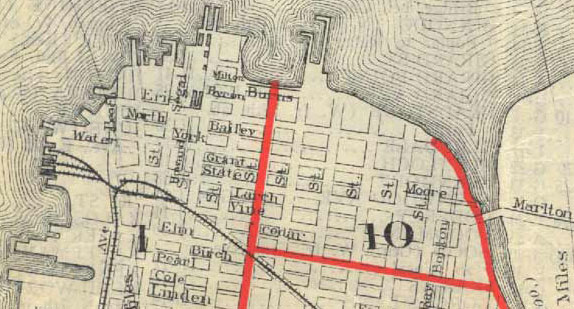
A small street running from 708 North 2nd Street east to North 8th Street, between State and Vine Streets, in Camden, New Jersey.
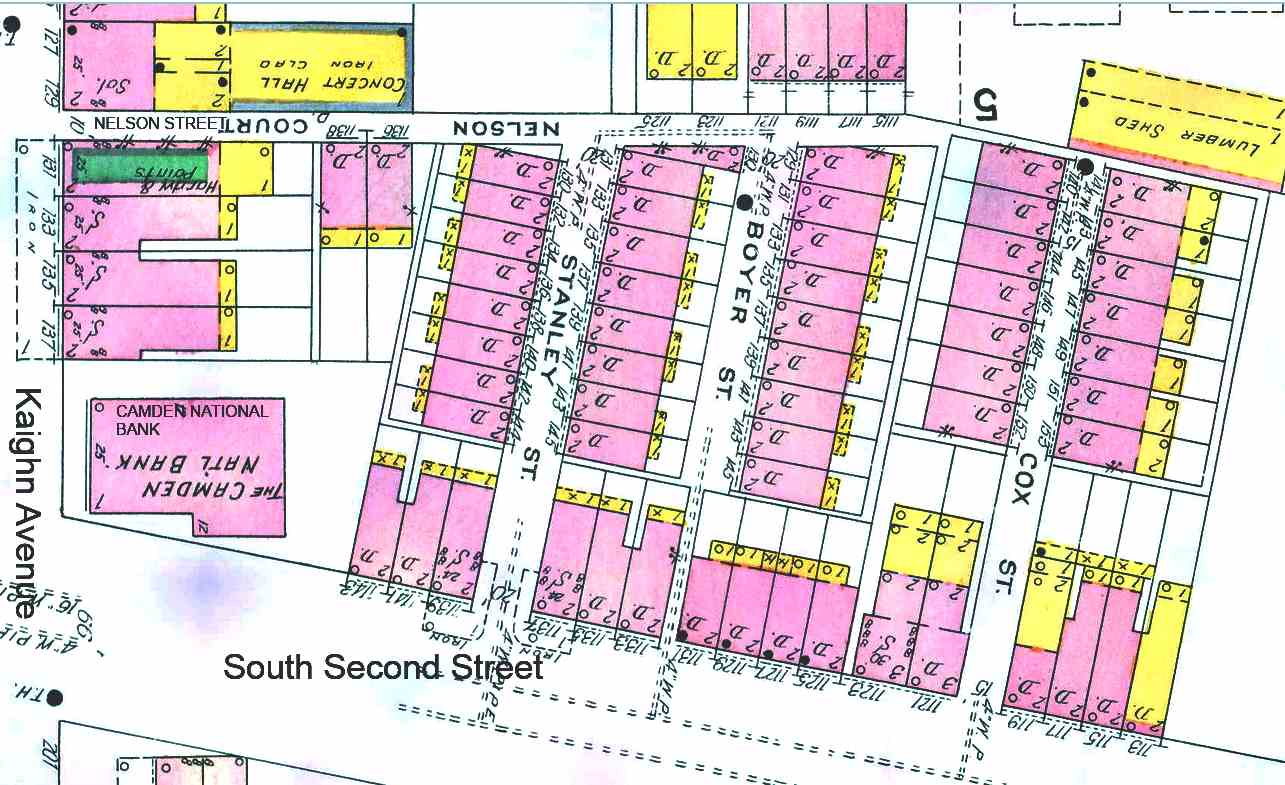
Boyer Street, also known as Boyer Court, was a half-block dead-end street running east from Nelson Street in South Camden. Eight brick homes on the north side were built in the early 1890s and demolished after World War II for industrial development.
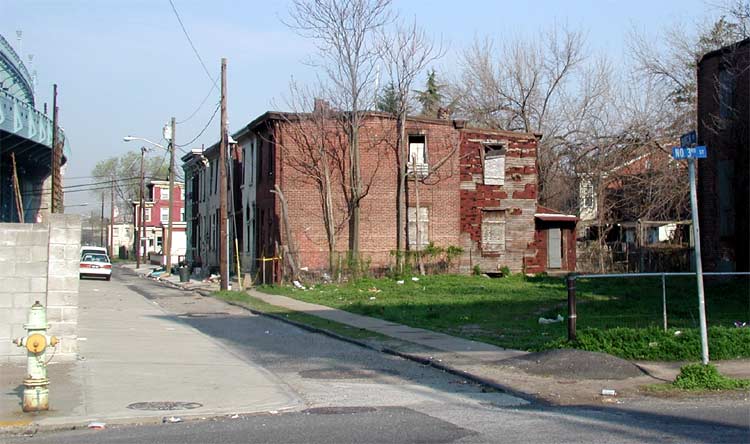
Birch Street once ran from Front Street through Ninth Street in North Camden. Over the years, the Delaware River Bridge, the Port Authority, and the Northgate Apartment Buildings took most of the street off the map.

Baxter Street (formerly Newton Street and locally known as "Hog Alley") ran from South 7th Street to Mount Ephraim Avenue in South Camden, notorious for decades as a hub of illegal activity; largely demolished, the 700 block survives as an overgrown alley.
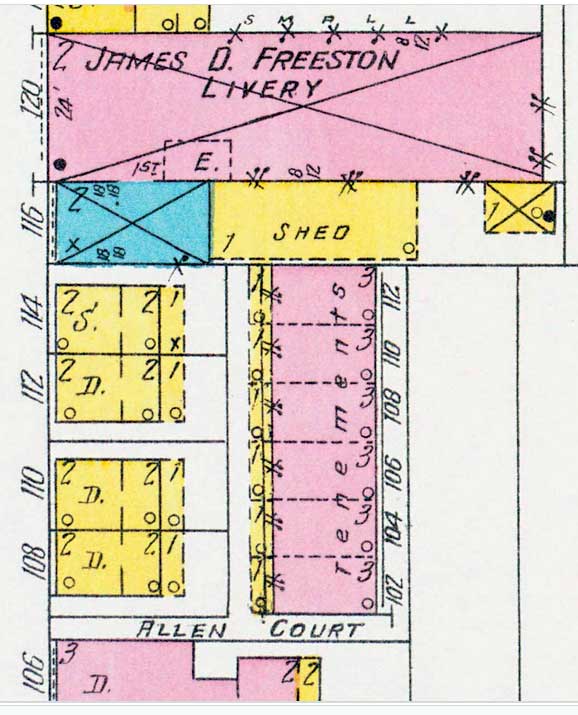
Allen's Court, sometimes referred to as Allen Court, ran south to north parallel to North 2nd Street. The court had six houses, originally numbered 102–112, and was gone by 1947.

29th Street extends from the Delaware River through Cramer Hill and East Camden, running from River Road to Clinton Street. It is North 29th Street above Federal and South 29th below.

Clare Street is a one-block thoroughfare in South Camden, running from Pine Street to Division Street. Originally called Pine Avenue, it was renamed Clare Street between 1878 and 1890, then later renamed Jesthroe Hunt Sr. Lane in honor of a Camden firefighter who passed away in 2005.
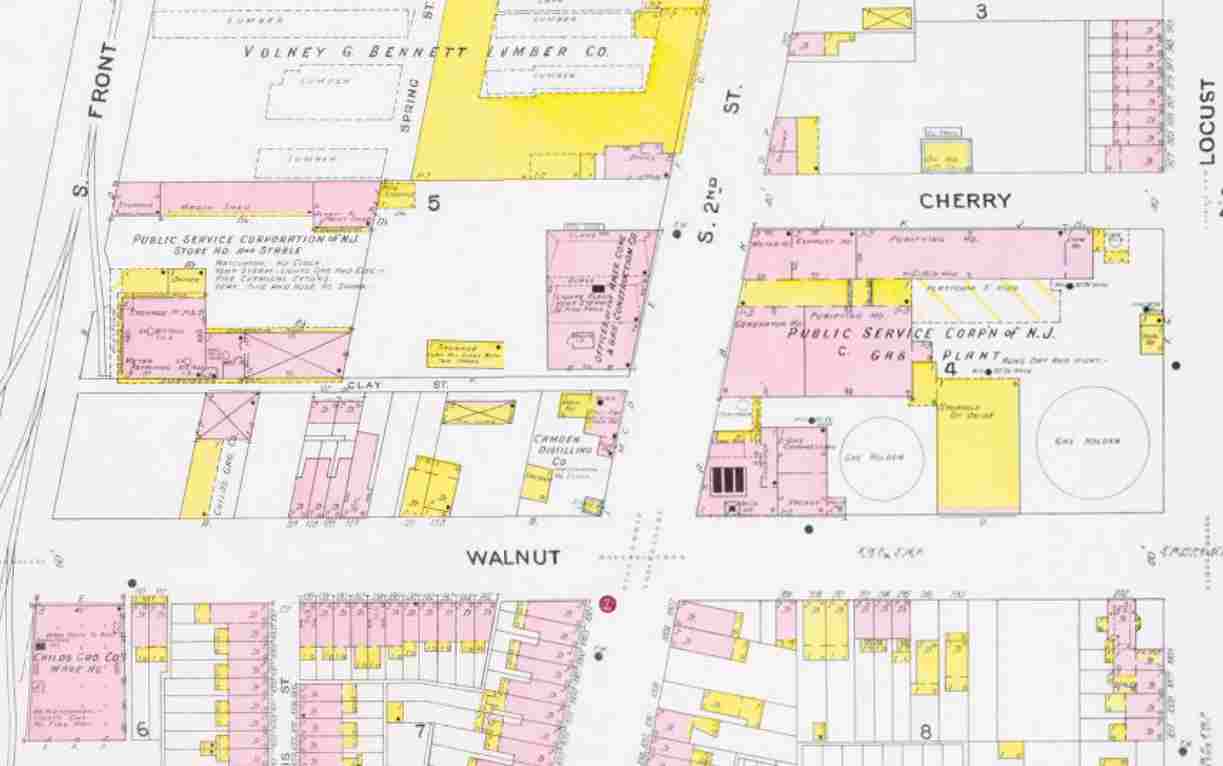
Clay Street, in Camden's 5th Ward, ran west from the 900 block of South 2nd Street to South Front Street. It was a short residential street tied to the industrial growth of the 1890s, extinguished by the City of Camden in October 1974.

Sycamore Street is one of Camden's "tree" streets, originally running east from Front Street to Haddon Avenue; its intersections at 7th, 8th and Louis Streets were hubs for different ethnic and cultural communities.

Byron Street was part of North Camden's Poet's Row neighborhood, a working-class district whose streets were named for English literary figures. The 200, 300, and 500 blocks developed in the 1890s; the 200 block's north side was destroyed in the catastrophic Poet's Row fire of August 1972.

Camden has two separate 12th Streets: North Twelfth, which once ran from Federal Street to the Cooper River before being largely erased by highway construction, and South Twelfth, which runs from Fairview Street to Lakeshore Drive and is lined with post-World War II rowhouses.
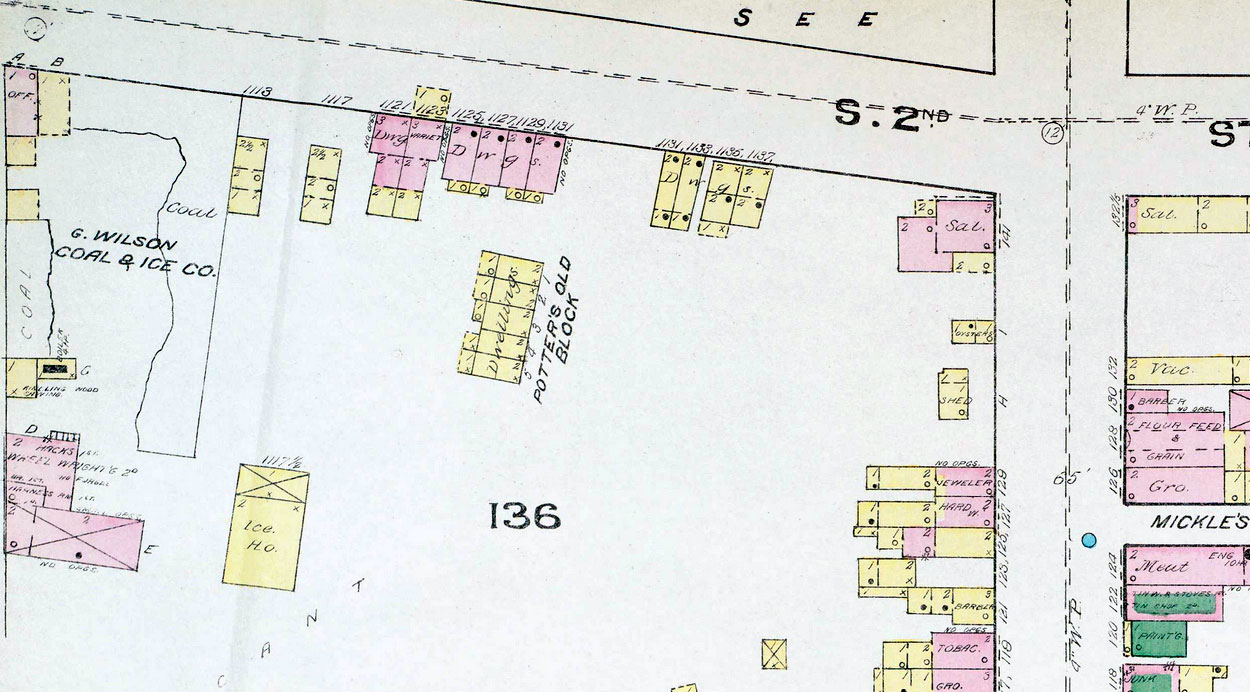
Cox Street ran west from 1119 South 2nd Street for about half a block to a dead end, roughly opposite Sycamore Street; it first appeared in City Directories in 1890 and was renamed Sycamore Street around 1922, then erased after World War II as part of a redevelopment plan.

Caesar Campana Sr. was born in Italy on May 13, 1903, to parents Peter and Theresa Campana.

Reprinted from the series of stories of Camden's earlier days, under the title Sixty Years in Camden County - Gosh! by Will Paul, appearing in The Community news, of Merchantville, NJ.

Main Street is a diagonal street in North Camden running southeast from State and Point Streets. The 1878 city directory listed it as starting at the Vine Street Ferry.

A Post Office was established in Camden in 1803 and called Cooper's Ferry Post Office, under which name it continued until 1829 when it was changed to Camden.

William Penn Corson, commonly known as W. Penn Corson, was born on February 27, 1873, in Camden, New Jersey. He was the son of Elias Lake Corson, a sea captain who had commanded a vessel during the Civil War.

Excerpt from Historical and Industrial Review of Camden, N.J. 1890.

2nd Street extends north-south between Front Street and 3rd Street, running parallel to the Delaware River until Mechanic Street. In the early 1970s, several buildings were cleared on the east side of North 2nd Street below Mickle Street to make way for the Royal Court townhomes and Mickle Tower senior citizens apartment building.

Market Street in Camden was likely named because it linked via the ferry to Market Street in Philadelphia, which it follows on the map; no known market existed on it. Includes a circa 1893 photo looking east from N. 2nd Street.
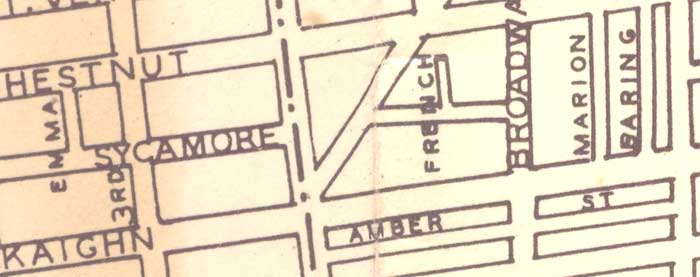
Amber Street is a small street that runs parallel to Kaighn Avenue from South 4th Street to South 6th Street. Best known as the alley beside Triangle Liquor east of Broadway.

Pine Street is one of Camden's "tree" streets and the only one that intersects Haddon Avenue. The page includes the 1891 Sanborn Map and a view of old row homes east of Broadway.

Baring Street runs for one block in South Camden, from Chestnut Street south to Kaighn Avenue, between Marion Street and South 6th Street. The homes were built in 1888 by Wilson Ernst, one of Camden's most active builders of the 1880s.
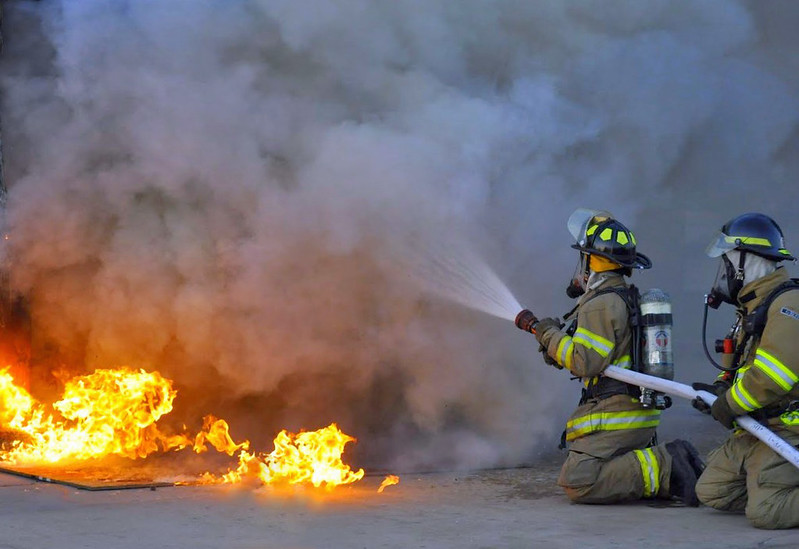
George B. Anderson was appointed to the Camden Fire Department on September 18, 1872, as a replacement extra man with Engine Company 2 . He filled the position left by William S. Davis , who had been promoted to Engineer.

EUGENE F. ALSTON was born October 16, 1919 in Camden to Richard Alston and his wife, the former Dolly Robinson. His father had been born in 1891 in Henderson, North Carolina.
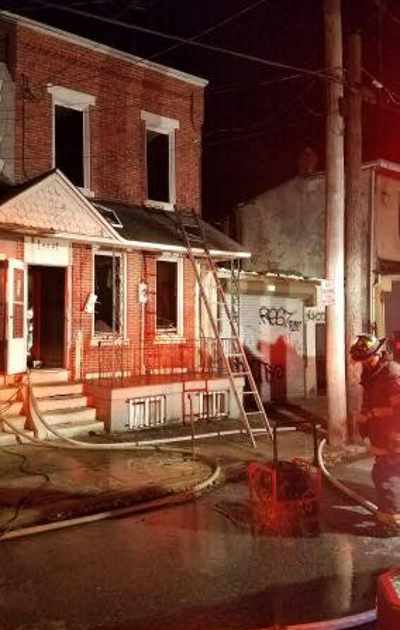
Berkley Street runs through South Camden from Buren Avenue to Haddon Avenue, named for Lord Berkeley, one of the original proprietors of colonial New Jersey. The section east of Broadway was once known as Hamilton Street until 1882.

THOMAS R. ALLIBONE was one of the original members of the Camden Fire Department, entering service on September 2, 1869 as an extra man with Engine Company 1 .

ROXIE ALLEN was the ring name used by Rocco Auletto, who was one of the many fine Italian boxers who came out of South Camden in the 1920s and 1930s, and was considered by some to be among the best local fighters of his era.

BERNARD ABRAHAM AHLBERG was born September 18, 1858, in Sweden. He came to America at the age of 18, and moved to Philadelphia shortly afterwards, where he remained until 1907, when he came to Camden.

BERNARD ABRAHAM AHLBERG , former captain of industry, of Camden, New Jersey, and leader in all its departments of life, was born September 18, 1858, in Sweden, and died May 24, 1925. His parents were Abraham and Inga (Friedberg) Ahlberg.

ROCCO FRANK ABBOTT was born in Philadelphia on September 21, 1893 to Frank and Maria Abbatto. By 1910 his family had moved to Camden, New Jersey. Rocco Abbott lived with his parents at 910 South 3rd Street. His older brother Antonio, a tailor, lived around the corner at 302 Spruce Street. The 1914 Camden City Director indicates that the family had Americanized their last name from Abbatto to Abbott. Rocco Abbott was still living at 910 South 3rd Street at that time.

Vincent Ariel Tydeman was born in New Jersey on August 24, 1883, to Edmund and Sarah Tydeman, who emigrated from England to the U.S. in 1878 with their nine children. The Tydemans welcomed another child, Florence, just before the 1880 census.
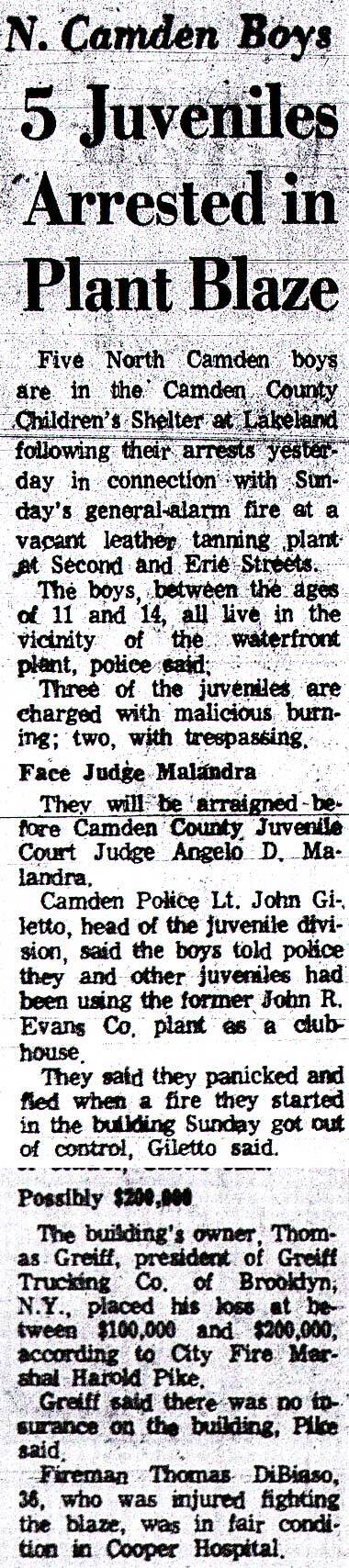
Five North Camden boys aged 11 to 14 were arrested after a general-alarm fire at the vacant former John R. Evans Co. leather tanning plant at Second and Erie Streets in December 1971; Fire Marshal Harold Pike estimated the loss at up to $200,000.
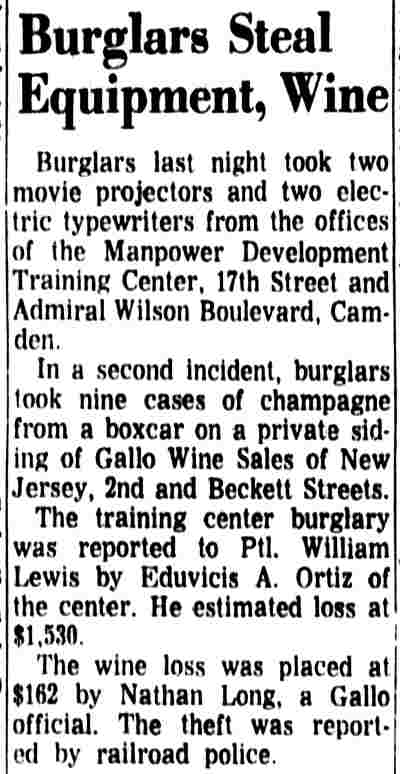
Burglars took two movie projectors and typewriters from a Manpower training center, and nine cases of champagne from a Gallo Wine boxcar at 2nd and Beckett Streets.