Streets
Viola Street
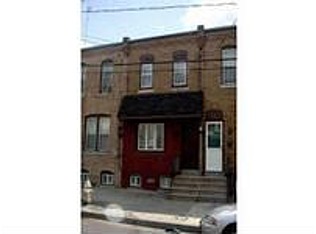
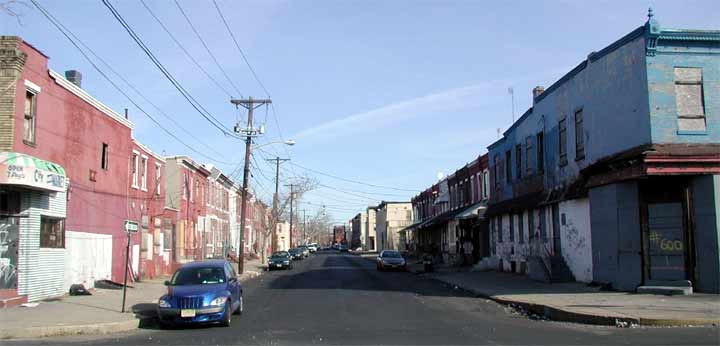
Viola Street runs west from Ancona Street across Broadway to the railroad tracks and Interstate 676. City directory records, newspaper clippings, and photos from 1891 to 1983.
Tag
Viola Street runs west from Ancona Street across Broadway to the railroad tracks and Interstate 676. City directory records, newspaper clippings, and photos from 1891 to 1983.
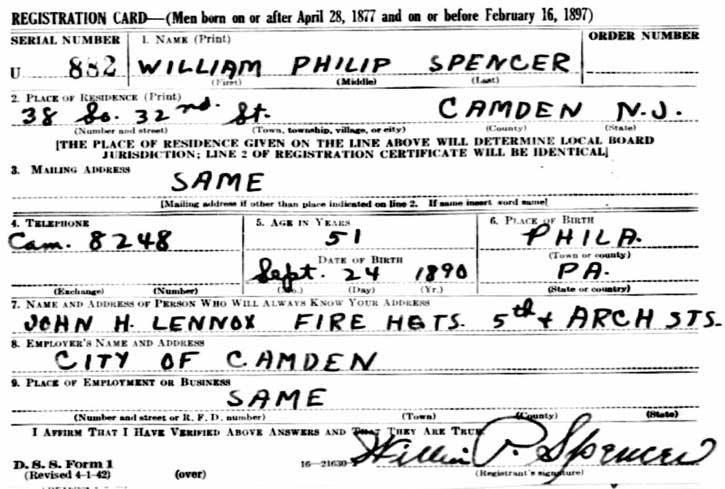
William Philip Spencer (1890–1946) served in the Camden Fire Department from 1925 until his death in 1946, promoted to Junior Captain on April 2, 1940. A World War I veteran who served in France, he was a charter member of the Box 315 Association and won a three-cornered fight for vice president of the Camden Police and Firemen's Association in 1933.
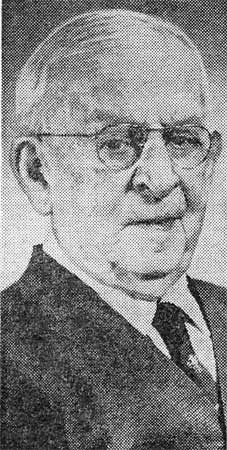
Robert Hartmann (1876–1967), son of cigar manufacturer Frank J. Hartmann Sr., grew up in Camden's labor movement and was elected the first president of the Camden County Central Labor Union when it was formed in 1908. The 1920 Census found him and his family at 16 North 23rd Street in East Camden.
John C. Voll Jr. (1900-1979) was born in Camden and served the Camden Fire Department for 40 years, entering the department on January 15, 1925 and retiring on December 1, 1965. He lived his later years at 2737 Garfield Avenue in the Cramer Hill section of Camden.
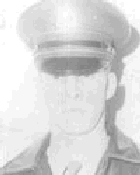
Officer George E. Schultz Jr. (1942–1969) joined the Camden Police Department in November 1968 and was killed by a gunman on July 5, 1969 at the age of 26, alongside his Academy classmate Officer Charles Sutman.
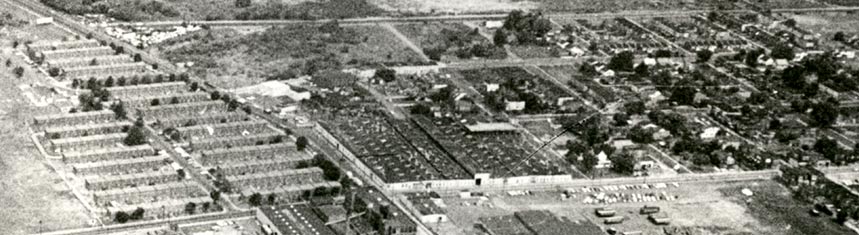
William Stanley Ablett Village is a 306-unit public housing project at River Road and State Street in the Cramer Hill section of Camden, built by the Housing Authority of the City of Camden during World War II and named for a Camden soldier killed in action in France during World War I.
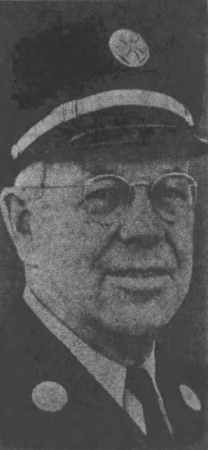
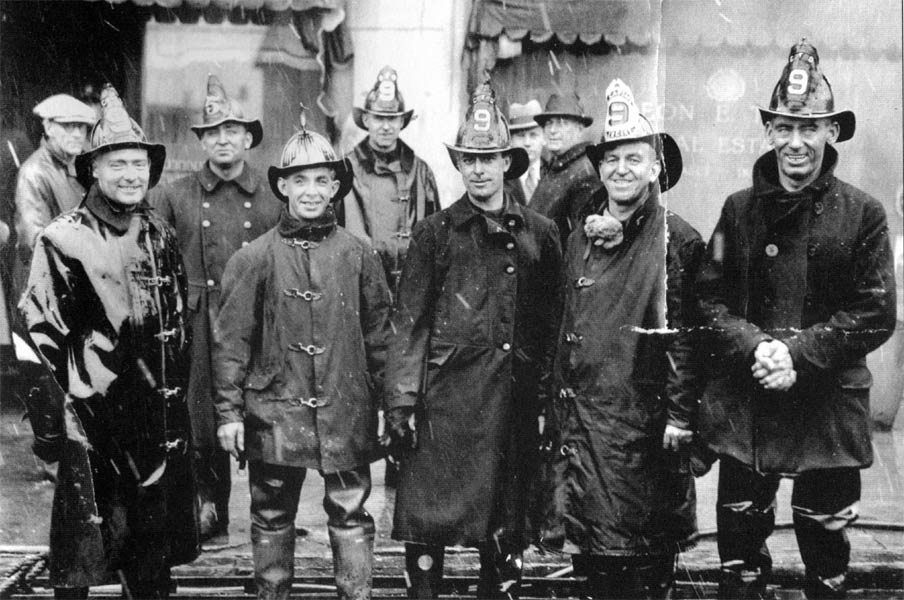
Daniel Smith (b. July 4, 1872) was appointed to the Camden Fire Department in 1899 and served more than 40 years, rising to captain at Engine Company 9 in East Camden; he had retired by the end of 1943.

Henry Houston "Harry" Franks served as Camden's Chief of Police from April 1, 1886 until his death on January 1, 1887. A Civil War veteran of the 25th New Jersey Volunteer Infantry and a tobacconist, he served as constable of the Third Ward before his appointment as chief.
Camden firefighter who served 32 years from 1941 to 1971, rising to Acting Battalion Chief. Son of Camden firefighter Samuel Oshushek.
John H. Carroll (1861–1932) operated Carroll's Hotel and saloon at South 3rd and Cherry streets in Camden, ran a horse-and-wagon stable and an excavating business that graded Yorkship Village, and was a longtime Fifth Ward Republican committeeman.
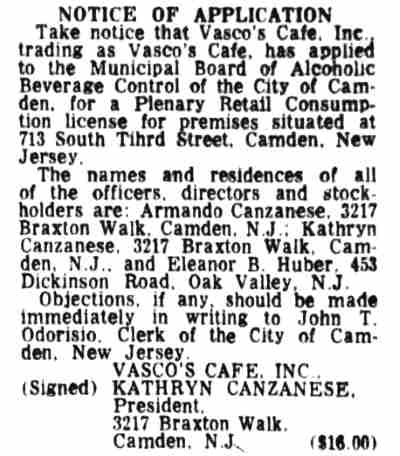
Braxton Walk is in the Crescent Gardens development at the southern end of Camden's Fairview section, built between 1924 and 1942, and named for Carter Braxton, a signer of the Declaration of Independence.
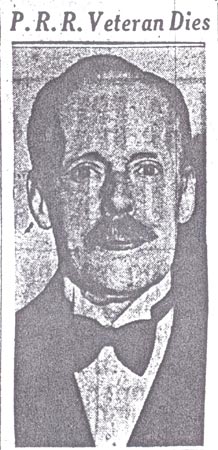
Charles H. Truitt (1859-1936) was a Camden native who worked 53 years for the Pennsylvania Railroad as a tugboat fireman and ferry engineer on the Delaware River before retiring in 1929.
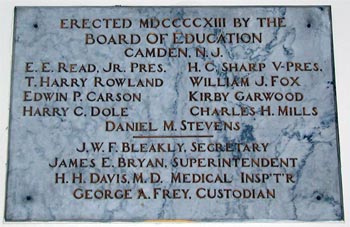
Physician, pharmacist, and Camden's first Medical Inspector; later Health Director and chief school physician who shaped public-school health care in Camden for a generation.
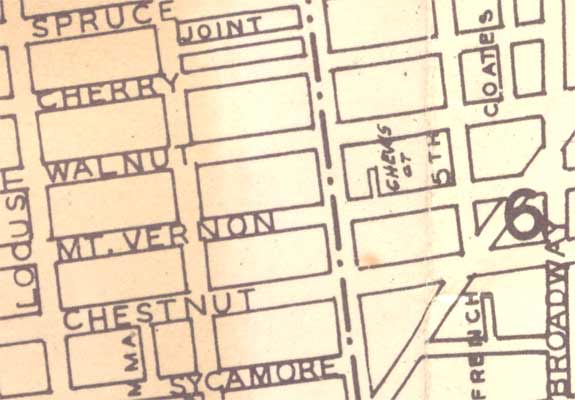
Joint Alley, also known as Joint Street, was a one-block alley in South Camden running east from South 3rd to South 4th Street, between Spruce and Walnut Streets. It first appears in city directories in 1850; only six houses remained by 1947, and no buildings stand there today.
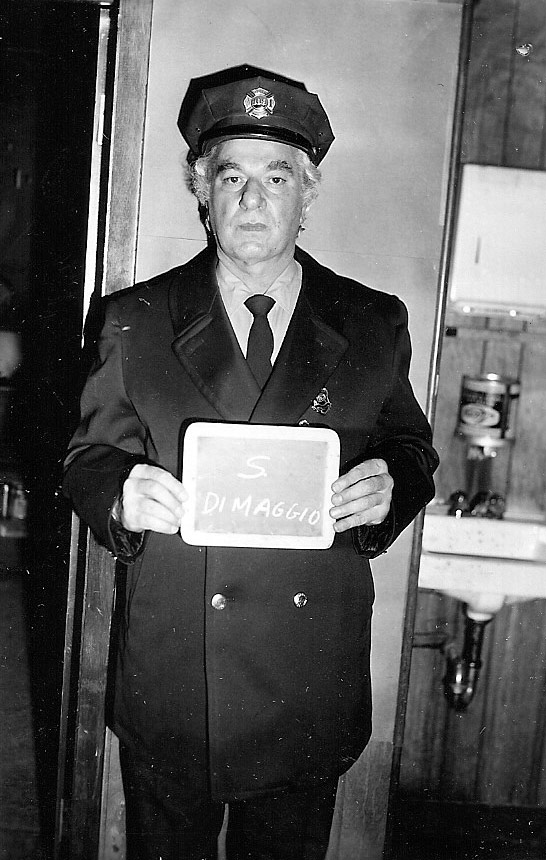
Santo DiMaggio (1918–1973) was a Camden firefighter who joined the department in January 1951 and served with Engine Company 3.
Virgil Willett was born in Pennsylvania around 1838 to Joseph P. and Elizabeth Willett. His father worked as a mason, and Virgil spent his early years in Moorland, Montgomery County.
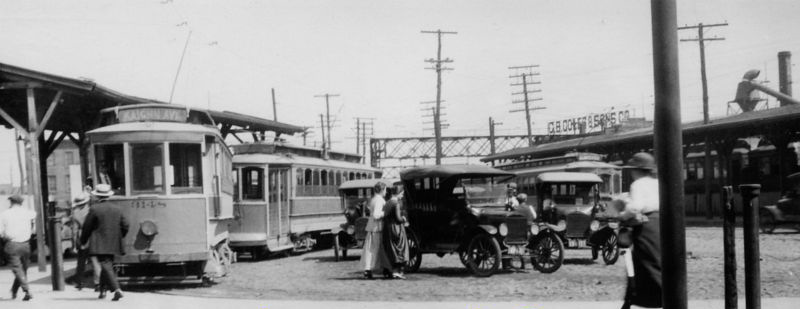
One of Camden's major east-west streets, running from Kaighn's Point at the Delaware River east to Admiral Wilson Boulevard and the Airport Circle in Pennsauken, with block-by-block address histories from the 1860s through the early 2000s.
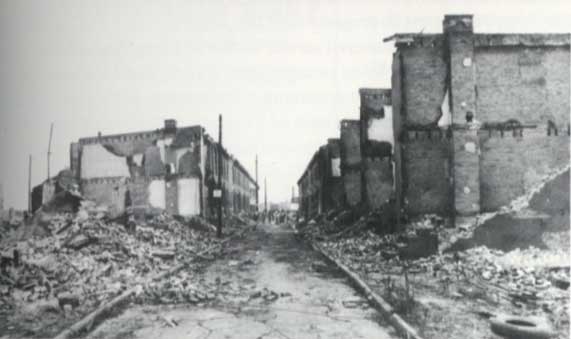
Burns Street was in Camden's Poet's Row neighborhood, named for Robert Burns. Three blocks of row homes built in the 1890s, all destroyed in the catastrophic Poet's Row fire of August 1972.
Linden Street runs east from the Delaware River to North 12th Street in Camden; large portions were demolished for the Benjamin Franklin Bridge, Rutgers University and the toll plaza.

Benjamin Coley was born in England on February 1, 1826, and immigrated to America as a child.

By Phil Cohen Over Memorial Day weekend of 2015, I received an e-mail from Carl Gainsborough containing the the two scanned images above.

Carman Street ran from Broadway to South 8th Street downtown and, across the Cooper River, from 15th Street through East Camden to Woodrow Wilson High School at 31st Street. It is apparently named for William Carman, whose home at Broadway and Federal Street stood until 1902.

Compiled by B. F. Bibighaus, 1914 Camden, New Jersey — from which the Association takes its name — was named after Earl Camden, Lord Chancellor of England.
Erie Street in North Camden runs from Beach Avenue to 9th Street, crossing Delaware Avenue, Point, Front, Segal, and the numbered streets 2nd through 9th.

Sigmund "Sig" Schoenagle was born in Vienna, Austria, around 1875. As a young man, he immigrated to America and settled in Camden, NJ. In 1894, he established a haberdashery at the southwest corner of 3rd and Federal Streets .

Milton Street, with Byron and Burns Streets, made up Camden's Poet's Row in North Camden; it was the northernmost of the three and the last to be completed in the late 19th century.
The following is derived from George Reeser Prowell's History of Camden County, New Jersey published in 1886 Macedonia Methodist Episcopal Church of Camden is situated on Spruce Street , below Third .
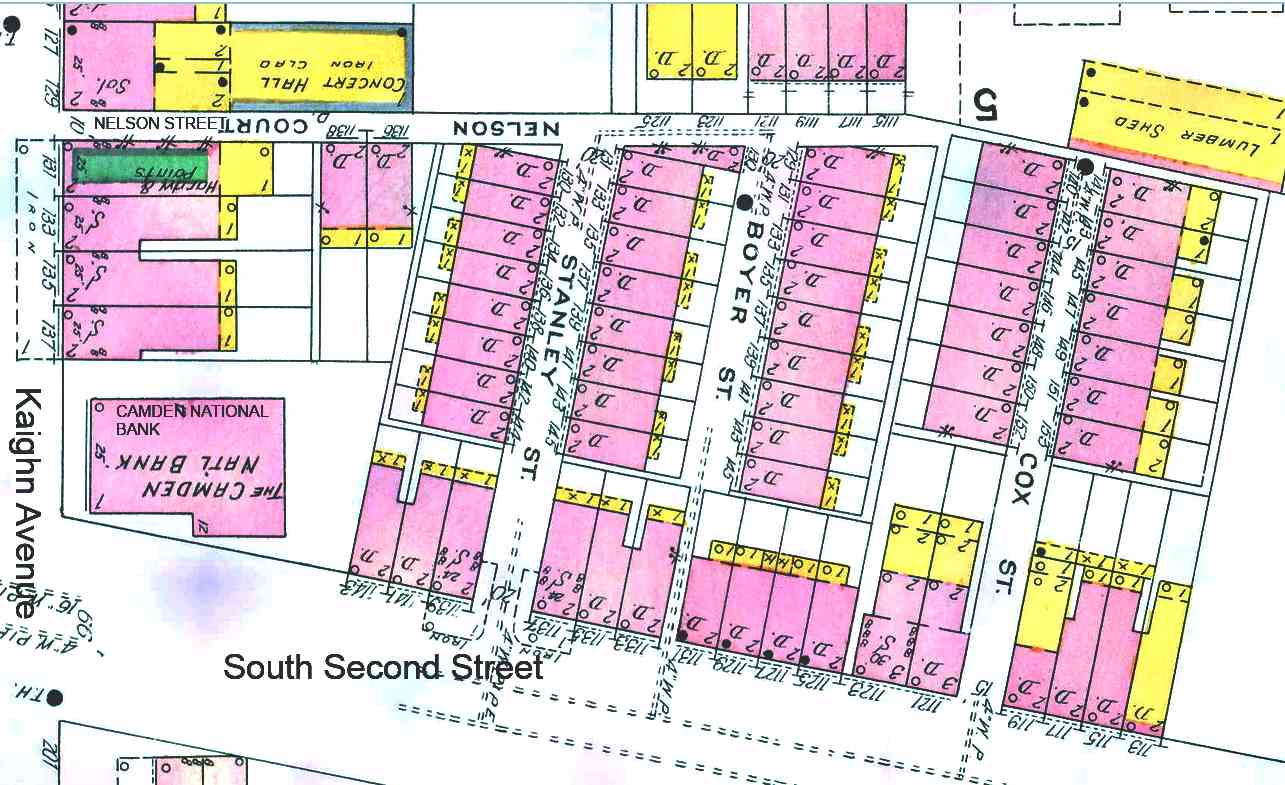
Boyer Street, also known as Boyer Court, was a half-block dead-end street running east from Nelson Street in South Camden. Eight brick homes on the north side were built in the early 1890s and demolished after World War II for industrial development.
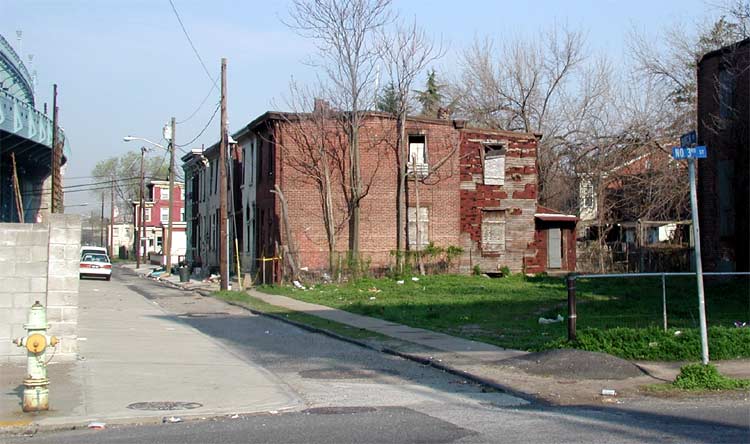
Birch Street once ran from Front Street through Ninth Street in North Camden. Over the years, the Delaware River Bridge, the Port Authority, and the Northgate Apartment Buildings took most of the street off the map.

29th Street runs from the Delaware River south across River Road to the Pavonia railroad yards, then from Pleasant Street to Westfield Avenue and from Federal Street to Clinton Street. It is North 29th Street above Federal and South 29th below.

Clare Street is a one-block thoroughfare in South Camden, running from Pine Street to Division Street. Originally called Pine Avenue, it was renamed Clare Street between 1878 and 1890, then later renamed Jesthroe Hunt Sr. Lane in honor of a Camden firefighter who passed away in 2005.

Sycamore Street is one of Camden's "tree" streets, originally running east from Front Street to Haddon Avenue; its intersections at 7th, 8th and Louis Streets were hubs for different ethnic and cultural communities.

Byron Street was part of North Camden's Poet's Row neighborhood, a working-class district whose streets were named for English literary figures. The 200, 300, and 500 blocks developed in the 1890s; the 200 block's north side was destroyed in the catastrophic Poet's Row fire of August 1972.

Locust Street ran south from Beckett Street to Mechanic Street between South 2nd and South 3rd Streets in Camden; its 700 block was known as Oak Street until about 1883 and its 600 block as John Street in the 1870s. Homes and businesses disappeared block by block after World War II, and the last structure, at 1128 Locust, was razed after a fire in 2010.

Joint Street, formerly Joint Alley, was a one-block street in South Camden, NJ, running from South 3rd to South 4th Street; now devoid of buildings.

Reprinted from the series of stories of Camden's earlier days, under the title Sixty Years in Camden County - Gosh! by Will Paul, appearing in The Community news, of Merchantville, NJ.
Main Street is a diagonal street in North Camden running southeast from State and Point Streets. The 1878 city directory listed it as starting at the Vine Street Ferry.

Mickle Street, also known as Martin Luther King Jr. Boulevard, is a major east-west road in Camden, named for John W. Mickle, a Federal Street Ferry organizer with a large stake in the Camden and Amboy Railroad.

Tydeman & Dooley were a pair of comedic acrobats who starred on the B.F. Keith vaudeville circuit in the 1900s and 1910s. Vincent A. Tydeman grew up in Camden, and also had a long career as a minor league baseball player.
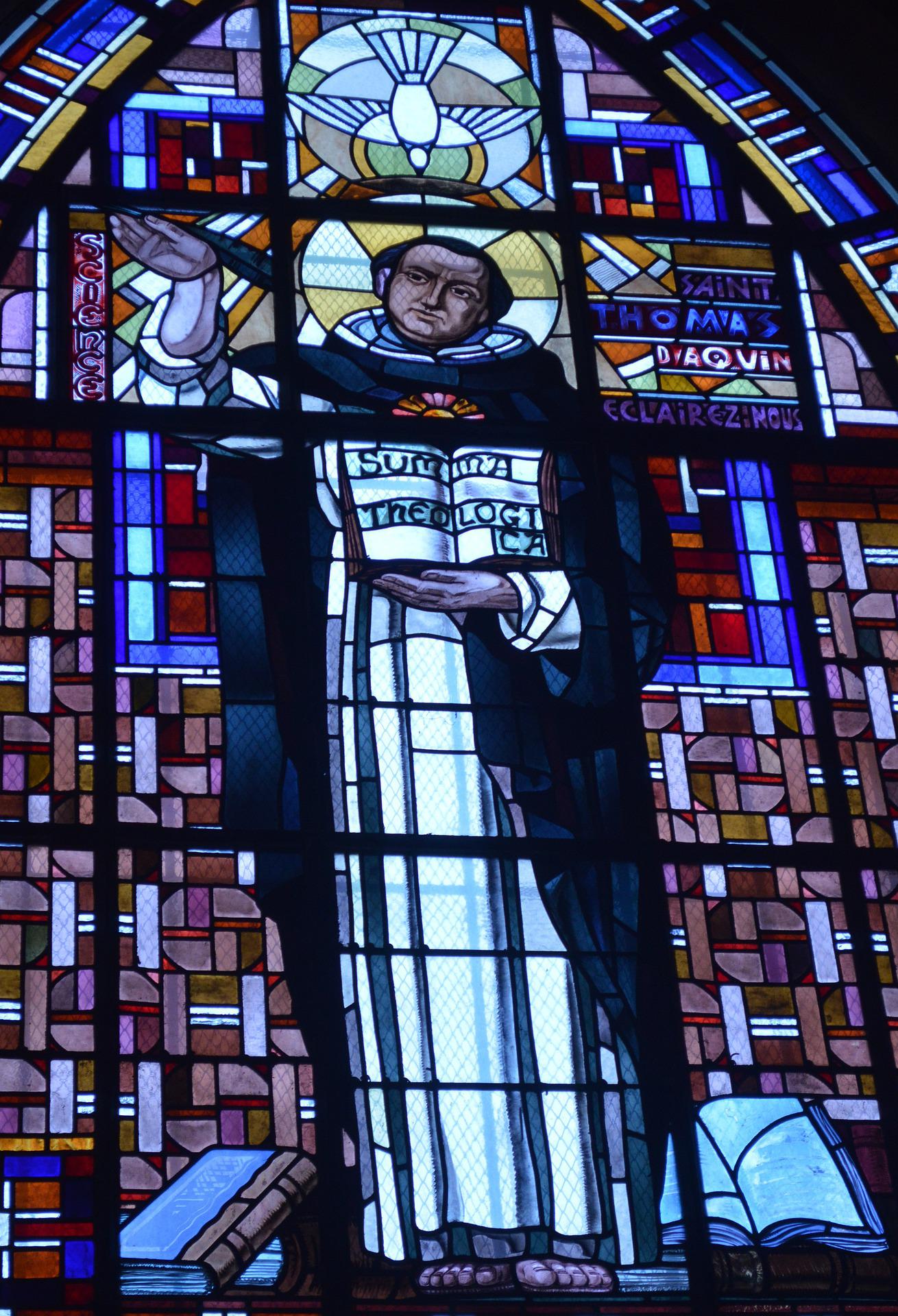
The AQUINAS CLUB appears to have been a social club that existed in North Camden prior to World War I. As a guess, it likely consisted mostly or entirely of young Catholic men from the Holy Name parish, although there also were a few older members.

2nd Street extends north-south between Front Street and 3rd Street, running parallel to the Delaware River until Mechanic Street. In the early 1970s, several buildings were cleared on the east side of North 2nd Street below Mickle Street to make way for the Royal Court townhomes and Mickle Tower senior citizens apartment building.

Market Street in Camden was likely named because it linked via the ferry to Market Street in Philadelphia, which it follows on the map; no known market existed on it. Includes a circa 1893 photo looking east from N. 2nd Street.
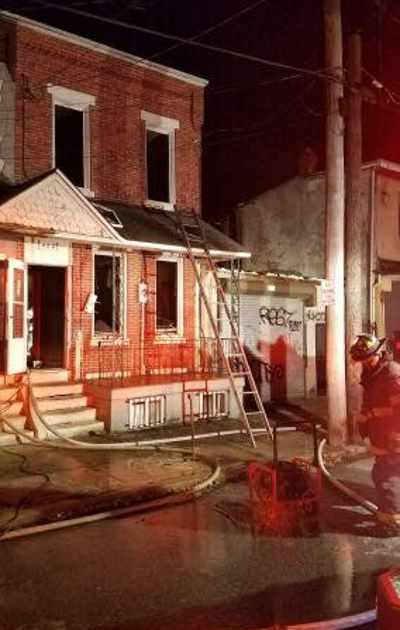
Berkley Street was originally spelled Berkeley Street, named for Lord Berkeley, who co-owned the colony of New Jersey from 1664 to 1674. East of Broadway it was known as Hamilton Street until 1882. This page covers occupants from the 200 block through the 3000 block.
Amanda Alloway, who was born in New Jersey in November 1843, had a notable life deeply intertwined with the historical tapestry of Camden, New Jersey.

Third Street runs north and south, parallel to the Delaware River, through North and South Camden, featuring notable corner buildings like the Security Trust Building at 301 Market Street and the Mickle Tower Apartment House at 200 Mickle Boulevard.
Royden Street, which was improperly spelled on the city plan, was named in honor of William Royden, who in 1681–82 became the owner of all the land between the present Cooper Street and Line Street.

GEORGE OWENS ADDISON , the son of William H. Addison and his wife, the former Pheobe Ann Drew, was born in Gloucester County, New Jersey on December 4, 1853.

ROCCO FRANK ABBOTT was born in Philadelphia on September 21, 1893 to Frank and Maria Abbatto. By 1910 his family had moved to Camden, New Jersey. Rocco Abbott lived with his parents at 910 South 3rd Street. His older brother Antonio, a tailor, lived around the corner at 302 Spruce Street. The 1914 Camden City Director indicates that the family had Americanized their last name from Abbatto to Abbott. Rocco Abbott was still living at 910 South 3rd Street at that time.

Vincent Ariel Tydeman was born in New Jersey on August 24, 1883, to Edmund and Sarah Tydeman, who emigrated from England to the U.S. in 1878 with their nine children. The Tydemans welcomed another child, Florence, just before the 1880 census.

On the eve of his March 1980 retirement dinner, Camden fire captain John P. Gryckiewicz looked back on 40 years with the department — the rescues, the Garden State Race Track fire, 84-hour weeks and $60 paychecks, and a city he still loved.