People
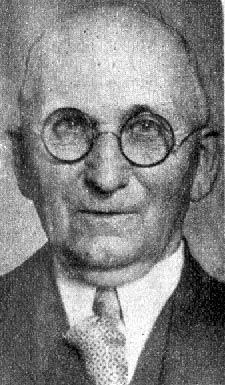
John T. Rodan
Tuckahoe-born Camden politician who served as Twelfth Ward freeholder for 14 years and as president of the East Camden Building and Loan Association from 1925 to 1946. His last home was 61 South 27th Street.
Tag
Tuckahoe-born Camden politician who served as Twelfth Ward freeholder for 14 years and as president of the East Camden Building and Loan Association from 1925 to 1946. His last home was 61 South 27th Street.
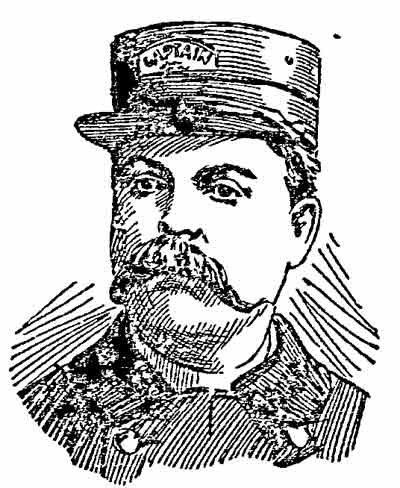
Arthur Stanley (1845–1925), Camden police captain and Civil War veteran. Born in England, he came to America in 1853, served with Company G, 12th New Jersey Infantry at Chancellorsville, Gettysburg and Petersburg, and commanded the Second District of the Camden Police Department from 1898 until his retirement in 1916.
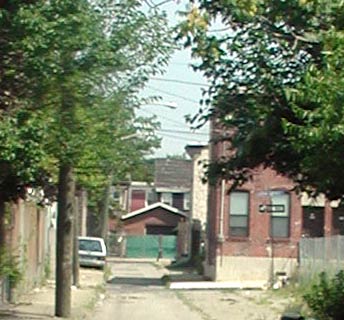
Dauphin Street runs south from Line Street across Pine Street to Division Street, between South 4th and South 5th Streets in South Camden. Originally called Kaighn Street, it was renamed in January 1882.

Wagner Court, also called Wagner's Court, was a small dead-end alley running west from 713 South 4th Street in Camden, New Jersey, gone by the 1940s.

Augustus F. Werner was born around 1870. According to the 1920 Census, he was born in Texas to German-speaking parents who had emigrated from the Lorraine region, which was then part of France. He met and married his wife, Annie, around 1891.

Frederick William Sheppard Morse was born in New Jersey on February 18, 1880, to Captain William and Annie Morse.

Spring Street in South Camden dates to at least 1850 and was mapped by 1891 running north-south from Clinton Street, between Second and Front Streets; its planned extension south to Walnut Street was obstructed.
Starr Avenue ran northeast from Border Street to Federal Street near the Cooper River and was named for Jesse W. and John F. Starr, founders of Camden Iron Works. It was later renamed Mt. Ephraim Avenue.
The Lester Store, owned by Sidney Lester, sold clothing and jewelry on Broadway in Camden, New Jersey from 1928 into the 1960s, mainly at 713 Broadway.

Carman Street ran from Broadway to South 8th Street downtown and, across the Cooper River, from 15th Street through East Camden to Woodrow Wilson High School at 31st Street. It is apparently named for William Carman, whose home at Broadway and Federal Street stood until 1902.

Ringold Street was a one-block Camden street running from Line Street to Pine Street near Haddon Avenue, razed by the 1960s for Campbell Soup parking.
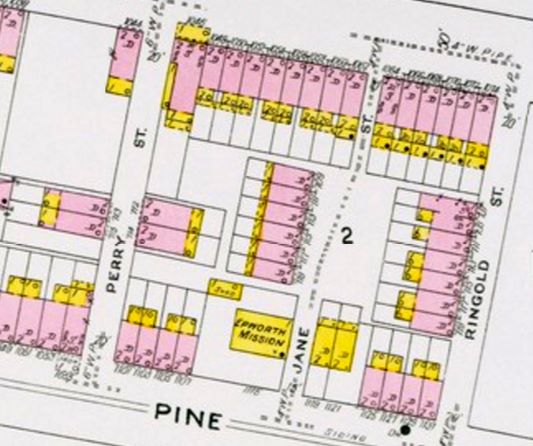
Jane Street, occasionally Jayne Street, ran one block south from 1062 Line Street to Pine Street, just east of Haddon Avenue; it was razed by the 1960s for Campbell Soup Company parking.
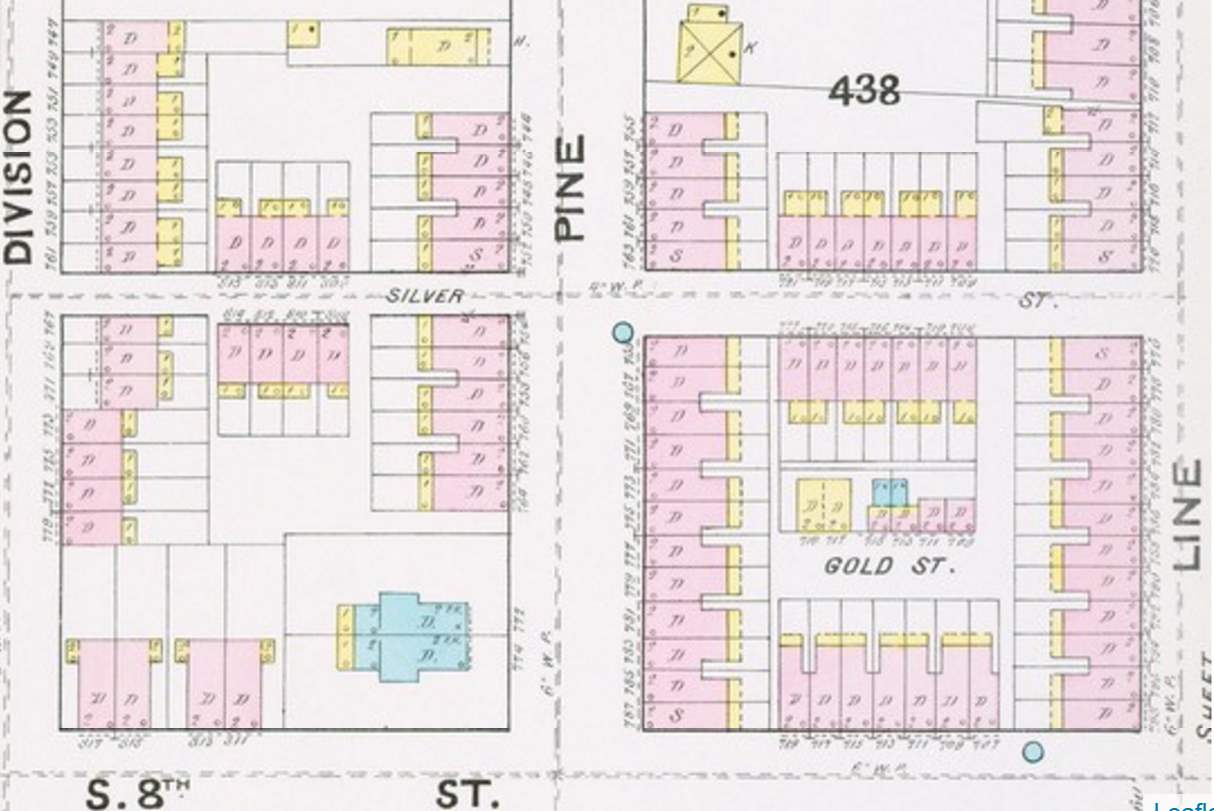
Gold Street was a small, secluded street in Camden, New Jersey, between South 8th Street and Silver Street, south of Line Street. First appearing in the 1888 City Directory, its six houses had dwindled to two occupied addresses by 1929, and the street vanished from the records after the 1930 Census.
Beckett Street, named for Henry and Mary Beckett who owned land in South Camden around 1853, originally ran from Front Street to West Street. After 1947 the eastern portion was demolished for an industrial building; today it runs only from South 3rd Street to West Street.

Beacon Avenue is a short East Camden street running from the intersection of Line Street and South 30th Street to the city line at Highland Avenue, extending into Pennsauken Township.

Baxter Street (formerly Newton Street and locally known as "Hog Alley") ran from South 7th Street to Mount Ephraim Avenue in South Camden, notorious for decades as a hub of illegal activity; largely demolished, the 700 block survives as an overgrown alley.
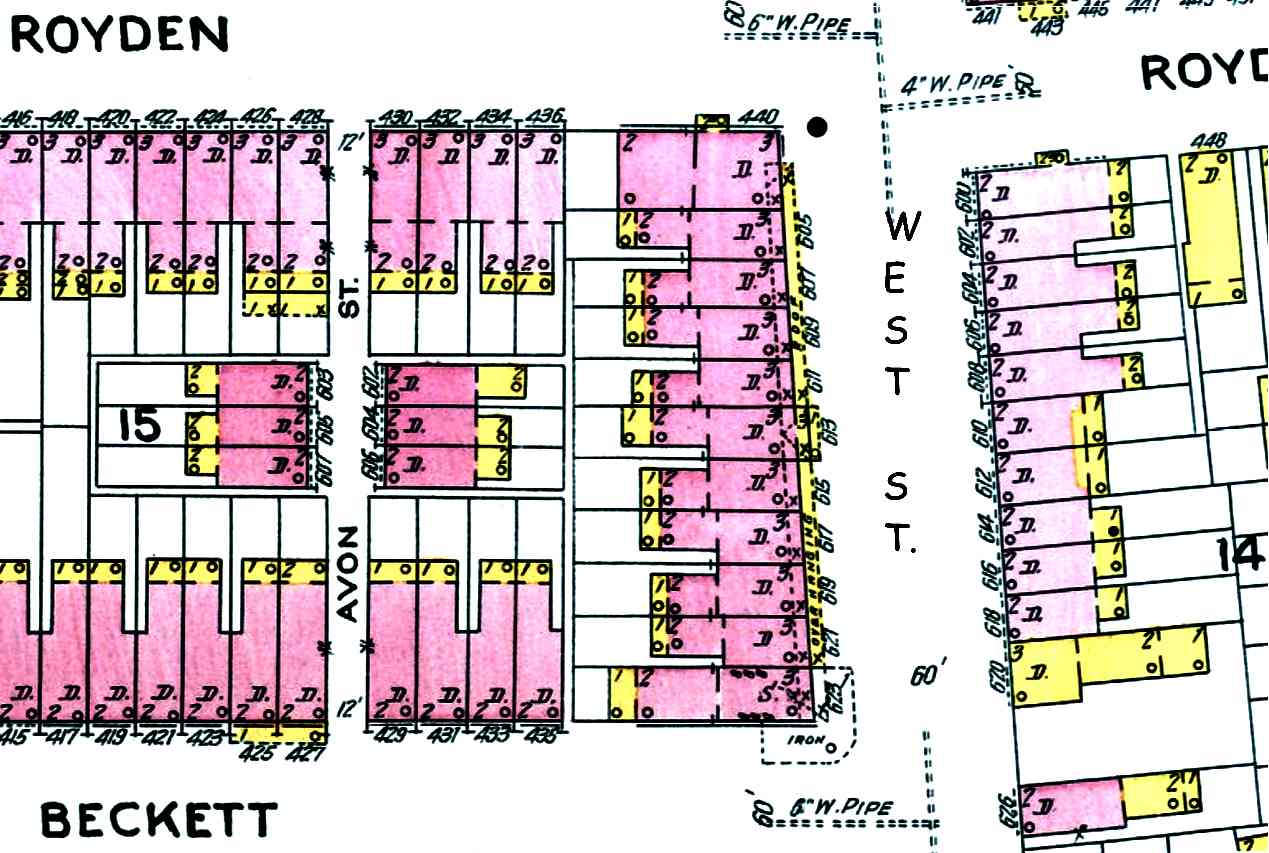
Avon Street is a one-block thoroughfare in South Camden running from Royden Street south to Line Street, between West Street and South 4th Street, intersected by Beckett Street. Six two-story brick homes lined the street by 1906.

Argonne Street, named for the World War I Battle of the Argonne Forest, ran one block between St. Mihiel Street and Memorial Avenue. It was demolished when Campbell Soup acquired the land to build their corporate headquarters.
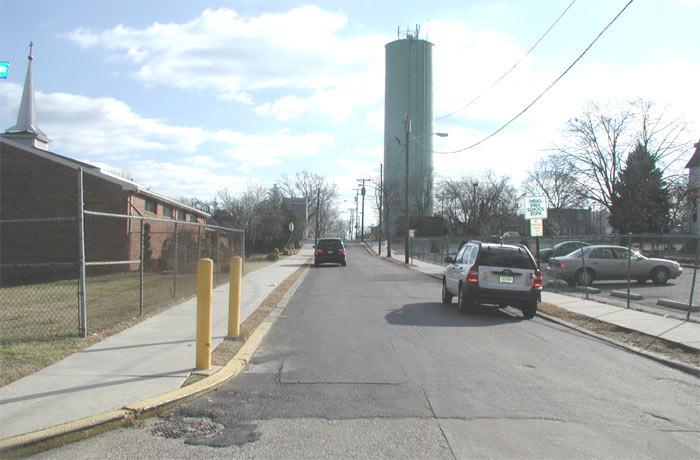
Thirtieth Street runs from the Delaware River south, across River Road to the Pavonia railroad switching yard, then to Westfield Avenue and on to Federal Street, and to the intersection of Line Street and Beacon Avenue, just above Waldorf Street. It is North 30th Street above Federal and South 30th below.

29th Street runs from the Delaware River south across River Road to the Pavonia railroad yards, then from Pleasant Street to Westfield Avenue and from Federal Street to Clinton Street. It is North 29th Street above Federal and South 29th below.
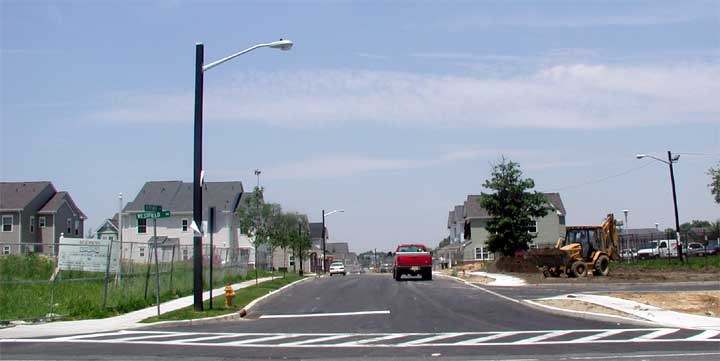
Beideman Avenue runs through Camden's Cramer Hill and East Camden sections, east of North 32nd Street, from the Delaware River south to Cleveland Avenue and from Lemuel Avenue through what was Westfield Acres to Westfield Avenue. It was named for the Beideman family, who owned a great deal of land in northern Cramer Hill before its residential development.

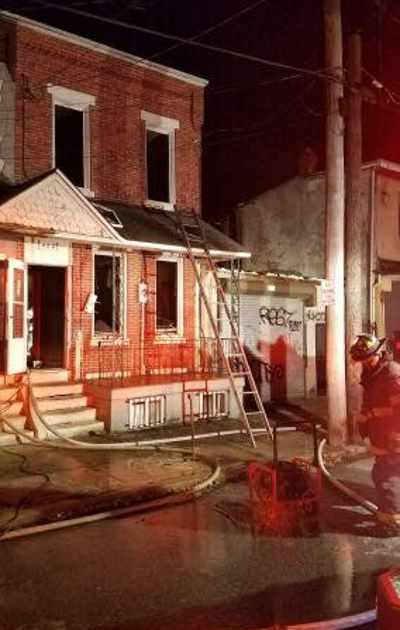
Locust Street ran south from Beckett Street to Mechanic Street between South 2nd and South 3rd Streets in Camden; its 700 block was known as Oak Street until about 1883 and its 600 block as John Street in the 1870s. Homes and businesses disappeared block by block after World War II, and the last structure, at 1128 Locust, was razed after a fire in 2010.
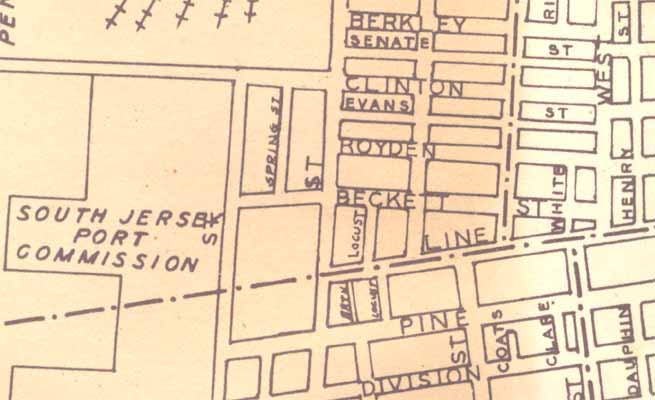
Bath Street, originally called Liberty Alley, was a small one-block street running from Line Street to Pine Street in Camden, first appearing in city directories in 1867 and erased by an industrial site after 1947.

Mount Ephraim Avenue in Camden, NJ, dates to 1878 as the Mount Ephraim Turnpike toll road; part of it was known as Border Street until the 2000s.

Division Street runs across South Camden. In 1997, a portion of the street was renamed Ramona Gonzalez Street to honor a community leader; the remainder continues to be known as Division Street.
Saint Mihiel Street in Camden, NJ, named for the World War I Battle of St. Mihiel, ran north from Line Street; later renamed St. Mihiel Avenue.

Edward N. Cohn was born in 1832. On the 1870 U.S. Census, he reported his birthplace as Bohemia, while in the 1880 Census he listed it as Germany. It is likely he was born in a region that is now part of the Czech Republic.

Haddon Avenue is one of Camden's oldest roads, dating to at least 1792 as a bridle path and incorporated as the Haddonfield & Camden Turnpike in 1839. It runs southeast from Federal Street to the city limits toward Collingswood, Haddon Township, and Haddonfield.

Line Street was named for the final division line between the Cooper and Kaighn properties. Laid out as a twenty-foot alley and widened to fifty feet in 1848, it became the boundary between the Middle and South Wards.

Camden, NJ had two Convention Halls: the first on Memorial Avenue at Line Street, the second the former Third Regiment Armory on Mickle Street.
The Zuni Athletic Association sponsored semi-pro sports teams as early as the spring of 1930 and into the early 60s. It appears to have founded in that year.

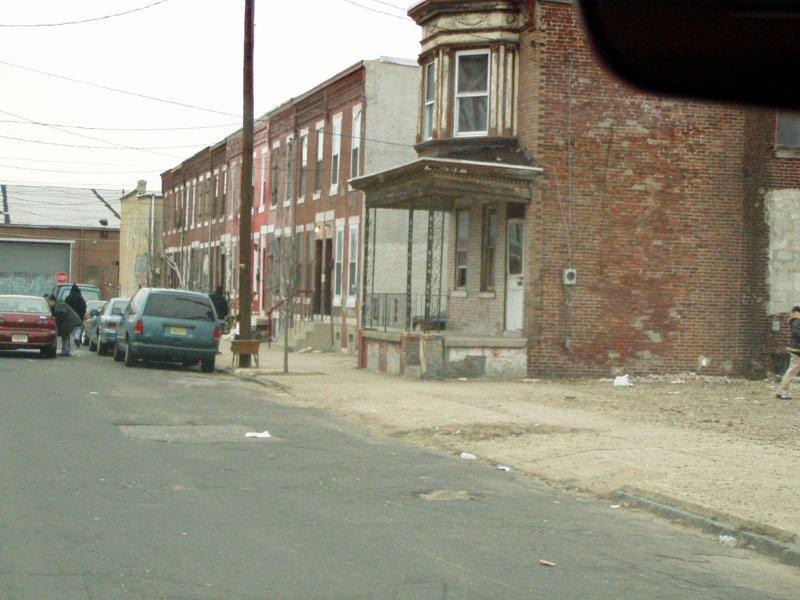
Pine Street is one of Camden's "tree" streets and the only one that intersects Haddon Avenue. The page includes the 1891 Sanborn Map and a view of old row homes east of Broadway.
Berkley Street was originally spelled Berkeley Street, named for Lord Berkeley, who co-owned the colony of New Jersey from 1664 to 1674. East of Broadway it was known as Hamilton Street until 1882. This page covers occupants from the 200 block through the 3000 block.
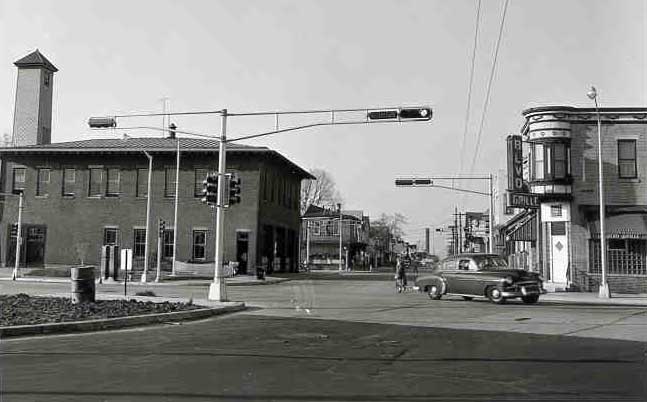
27th Street runs from the Delaware River through Cramer Hill and East Camden to Marlton Avenue. Originally called Fulton Street before the 1899 annexation of Stockton Township, it was one of the main thoroughfares of the neighborhood and home to football star Mike Rozier.
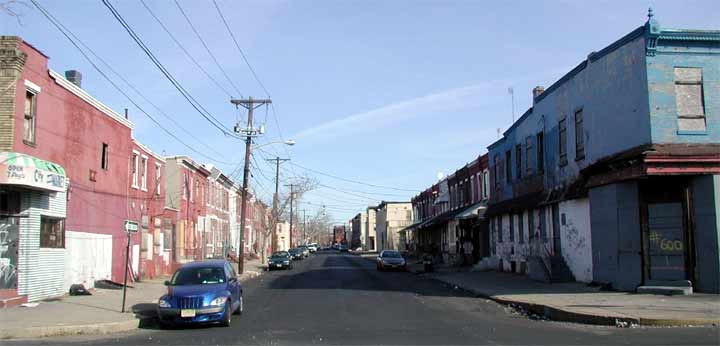
Royden Street, which was improperly spelled on the city plan, was named in honor of William Royden, who in 1681–82 became the owner of all the land between the present Cooper Street and Line Street.

Arch Street ran from Delaware Avenue to North 5th Street between Federal and Market Streets in downtown Camden. Formerly known as Plum Street, it was home to Oetzel's Saloon, the Genova Cafe, the Collings Carriage Company, and the Camden Fire Department headquarters at 5th and Arch.

Charles Angelo Aceto was born in Italy on April 16, 1891 and came to America with his father in 1900. He threw himself into his education and into becoming proficient in the English language.
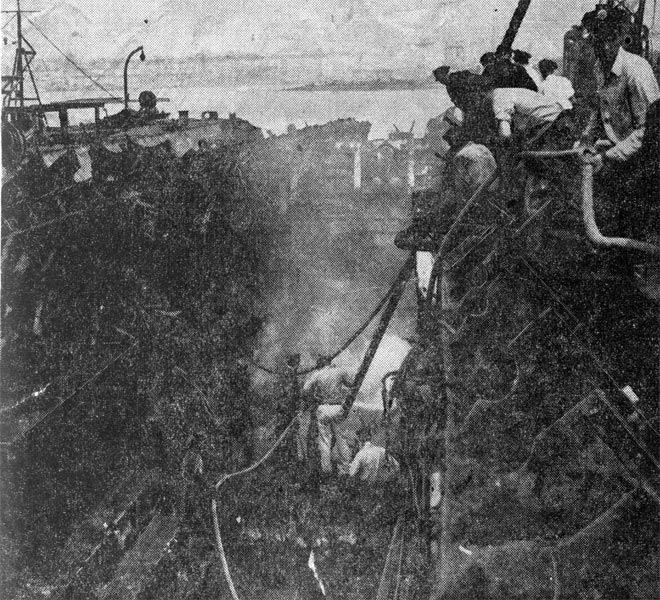
Fifth Street was one of Camden's original streets, running south to north, with a few major interruptions, from Newton Avenue to just west of Pyne Point in North Camden.
By ALAN GUENTHER, Courier-Post Staff Two dozen Camden residents recently took a nighttime walk on the wild side, past rows of abandoned homes, through neighborhoods so infested with crime and drugs that the dark streets are illuminated at night only by flashes of gunfire.
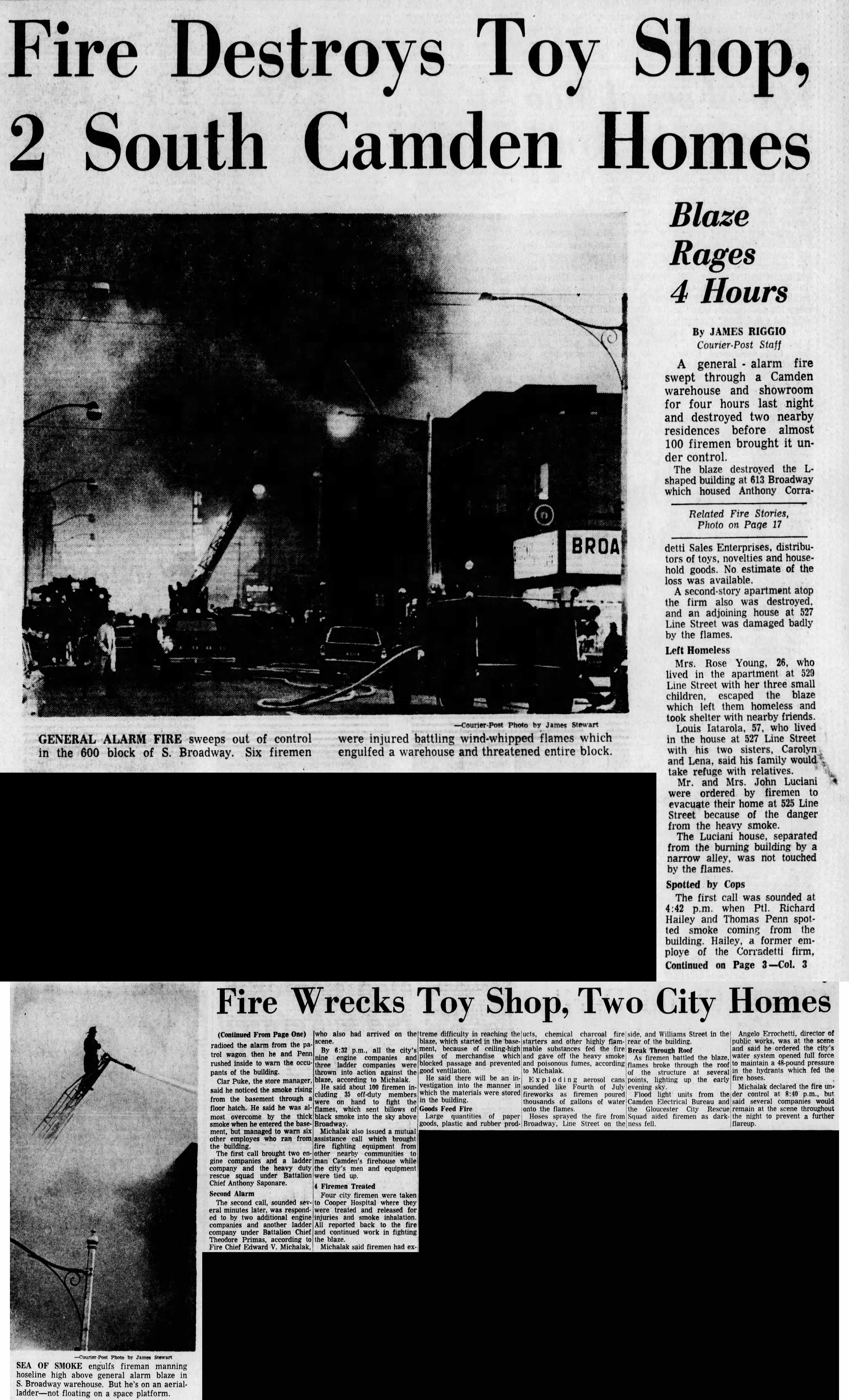
A general-alarm fire raged for four hours on March 7, 1967, destroying the L-shaped building at 613 Broadway that housed Anthony Corradetti Sales Enterprises, a distributor of toys, novelties and household goods, along with two nearby residences on Line Street, before almost 100 firemen brought it under control.

A Camden fire pumper from Engine 1, answering a mattress fire, collided with an automobile and crashed through the front of an insurance office at Broadway and Pine Streets, injuring firemen, a passerby and the car's occupants and leaving the building condemned.
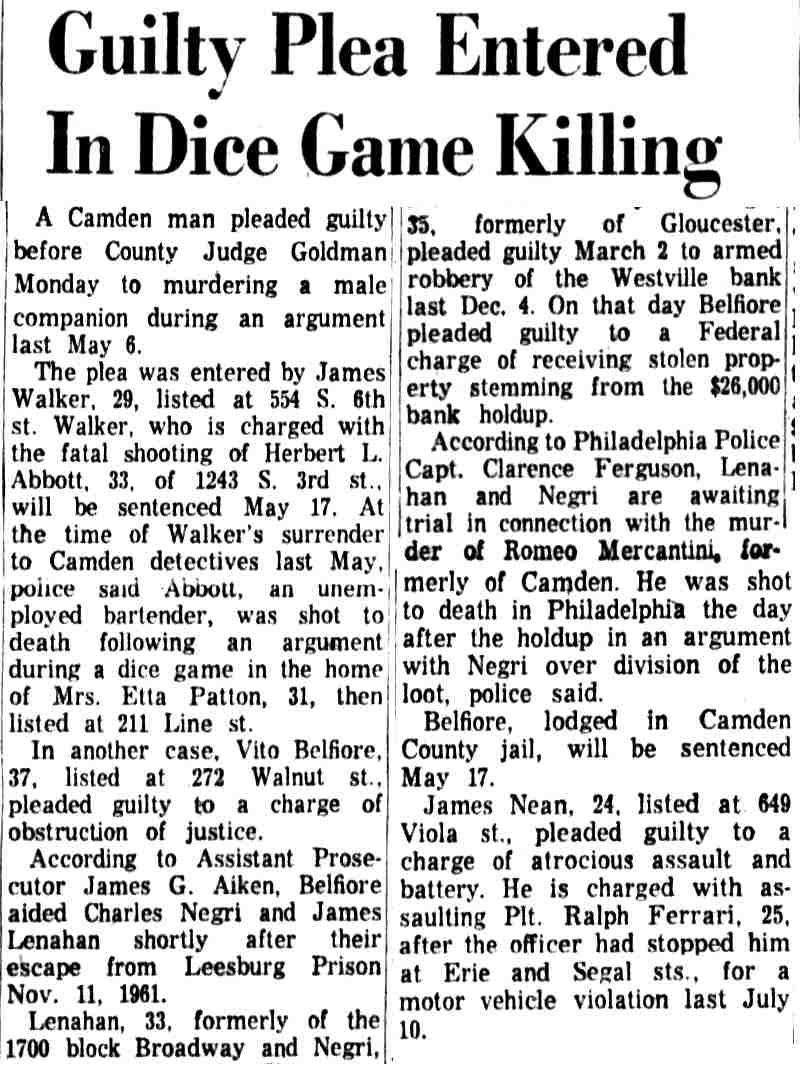
James Walker pleaded guilty to the fatal shooting of Herbert L. Abbott of 1243 South 3rd Street, killed during an argument over a dice game at 211 Line Street in May 1961.

Patrolman Peter Yecco received the Camden Police Department's Distinguished Service Award for a Delaware River rescue; among 16 officers commended was Sergeant Earl Wright.
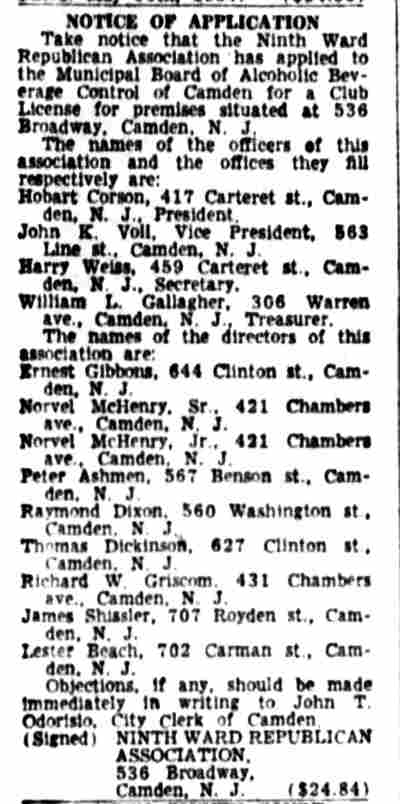
A June 1957 legal notice that the Ninth Ward Republican Association applied for a club liquor license at 536 Broadway, listing President Hobart Corson, Vice President John K. Voll and the association's other officers and directors, including Lester Beach of 702 Carman Street.
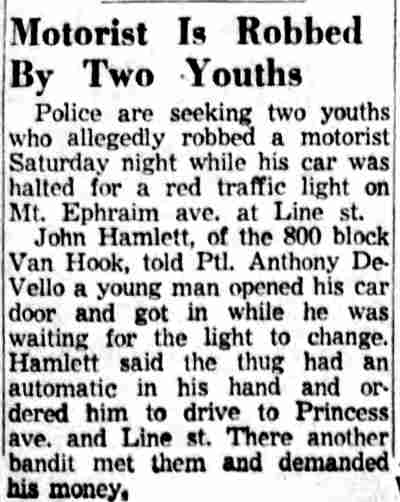
Camden Courier-Post - December 3, 1956. Police are seeking two youths who allegedly robbed a motorist Saturday night while his car was halted for a red traffic light on Mt. Ephraim ave. at Line st.
Public Safety Commissioner E. George Aaron promoted three hosemen to fire captain and announced six new firemen — including Henry J. Keating of 3316 Lemuel Avenue, transferred from the Police Department — and two new policemen. Camden Courier-Post, November 30, 1953.

Camden detectives returned about $4360 in stolen goods to burglary victims at City Hall in April 1952 and held parolee George Wilmer as the suspected daytime "phantom burglar."
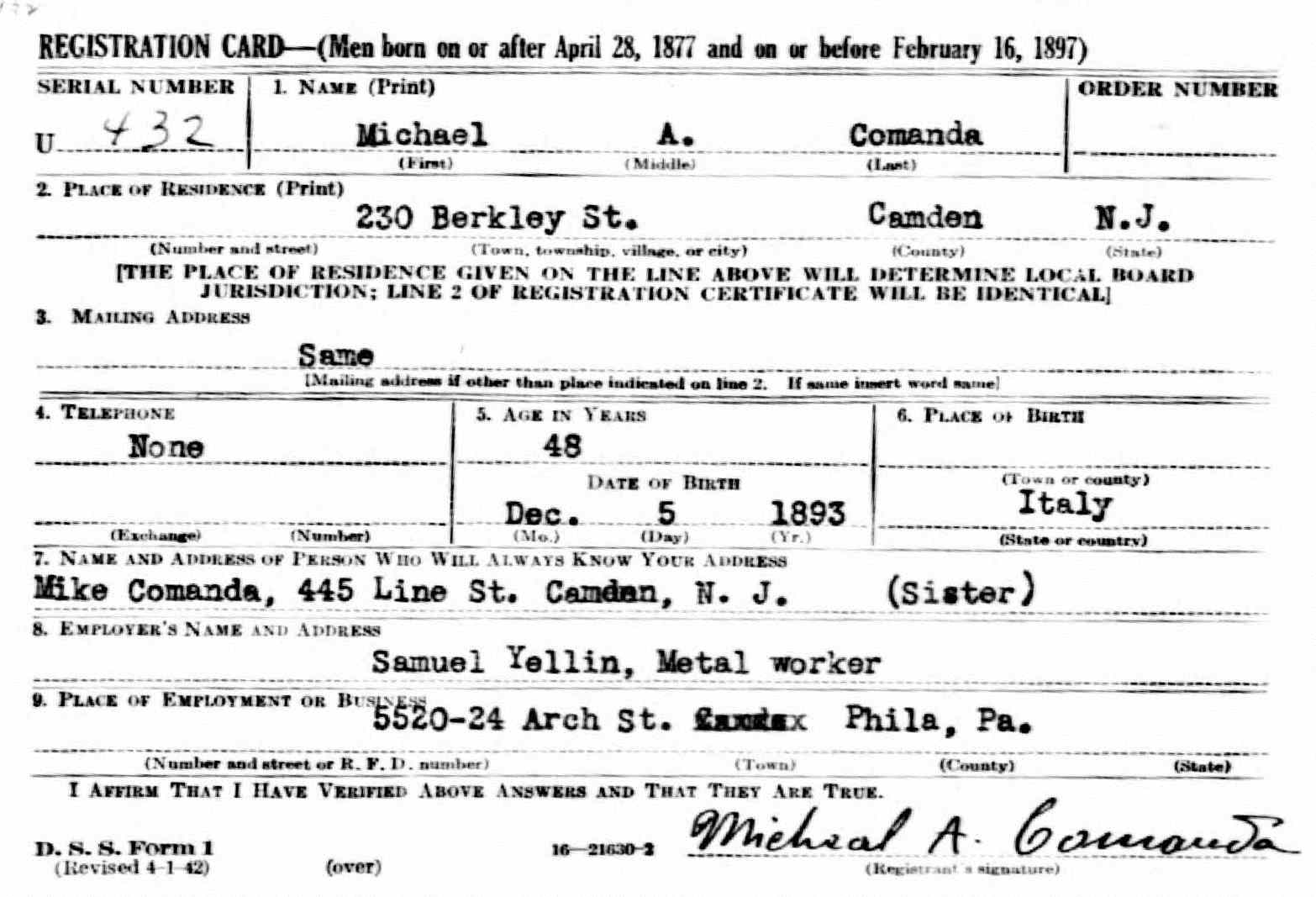
World War II draft registration card for Michael A. Comanda, age 48, of 230 Berkley Street, Camden, born in Italy on December 5, 1893, whose employer was Samuel Yellin, metal worker, of Arch Street, Philadelphia.

Patrolman John McTaggart, 53, died in Cooper Hospital after 31 years in the Department of Public Safety, 12 as a fireman and 19 as a policeman walking the same Broadway beat from Kaighn Avenue to Line Street. He was the guest of honor at the annual St. Patrick's night party "A Nite in Ireland."
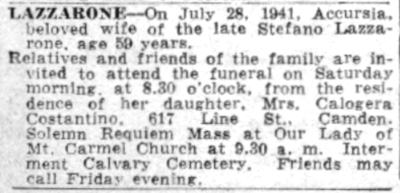
Death notice for Accursia Lazzarone, 59, beloved wife of the late Stefano Lazzarone, who died July 28, 1941. The funeral was to be held from the residence of her daughter, Mrs. Calogera Costantino, 617 Line Street, Camden.