Sigmund Schoenagle
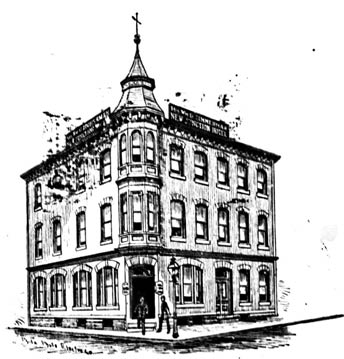
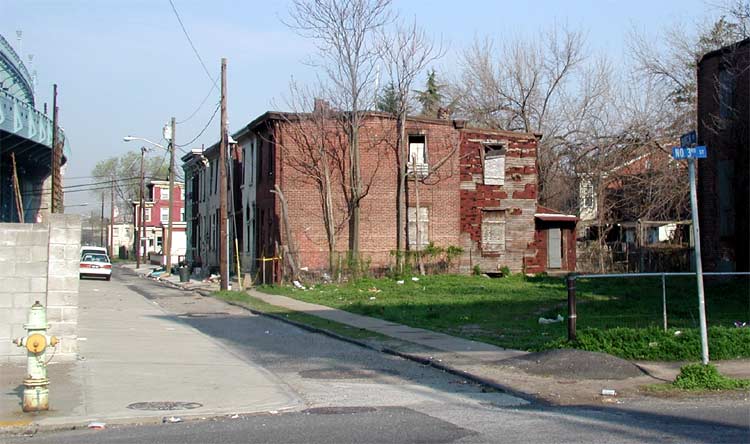
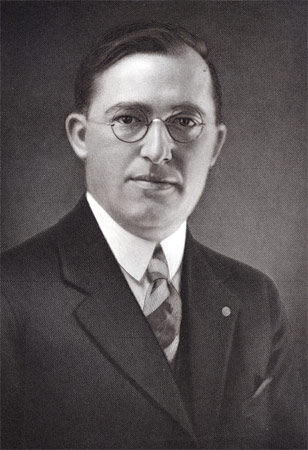
Sigmund "Sig" Schoenagle was born in Vienna, Austria, around 1875. As a young man, he immigrated to America and settled in Camden, NJ. In 1894, he established a haberdashery at the southwest corner of 3rd and Federal Streets .
Tag

Sigmund "Sig" Schoenagle was born in Vienna, Austria, around 1875. As a young man, he immigrated to America and settled in Camden, NJ. In 1894, he established a haberdashery at the southwest corner of 3rd and Federal Streets .

Bartholomew A. Sheehan was born on December 18, 1907, to Jeremiah and Mary (McCarthy) Sheehan.

Carpenter Street was a narrow residential street in North Camden, running from North 8th Street to Cooper Street. Most of it was destroyed in the 1940 Hollingshead Factory fire and later razed for Interstate 676; today only the 800 block remains.

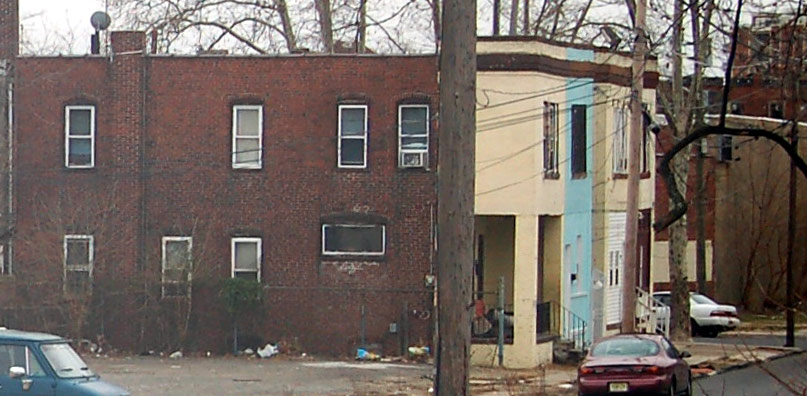
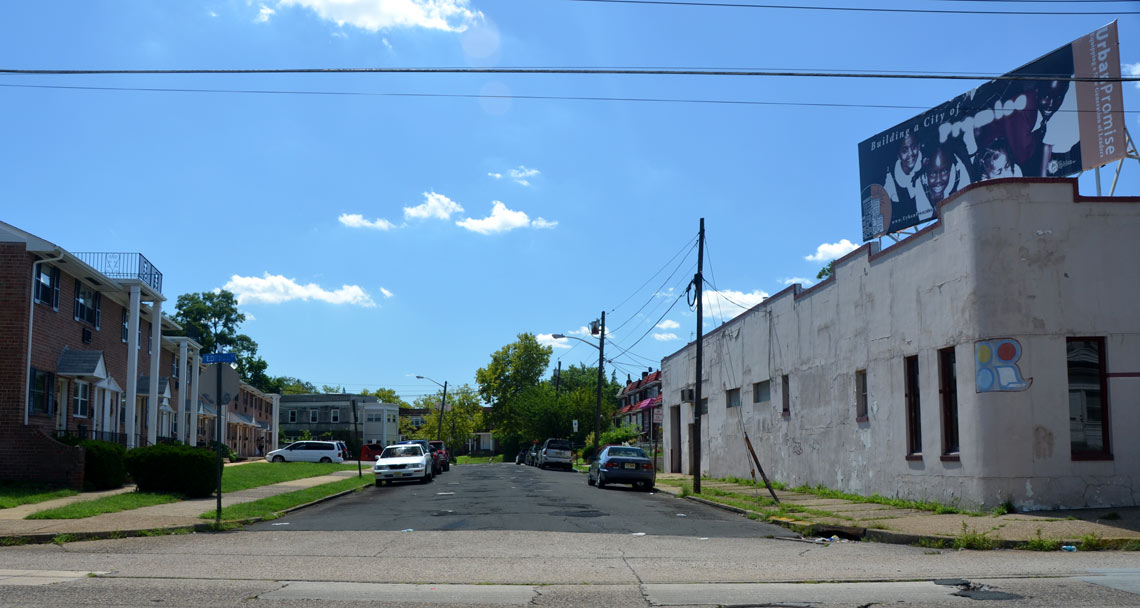
Marlton Avenue in East Camden begins at Federal Street as an extension of State Street and runs east to the city limits; nearby houses were razed around 2006 for the new Thomas Dudley Elementary School.

Bridge Avenue was one of Camden's most notable thoroughfares, lying between Federal and Mickle Streets. By 1947 only the block east of South 8th Street remained, and that too has long since vanished.

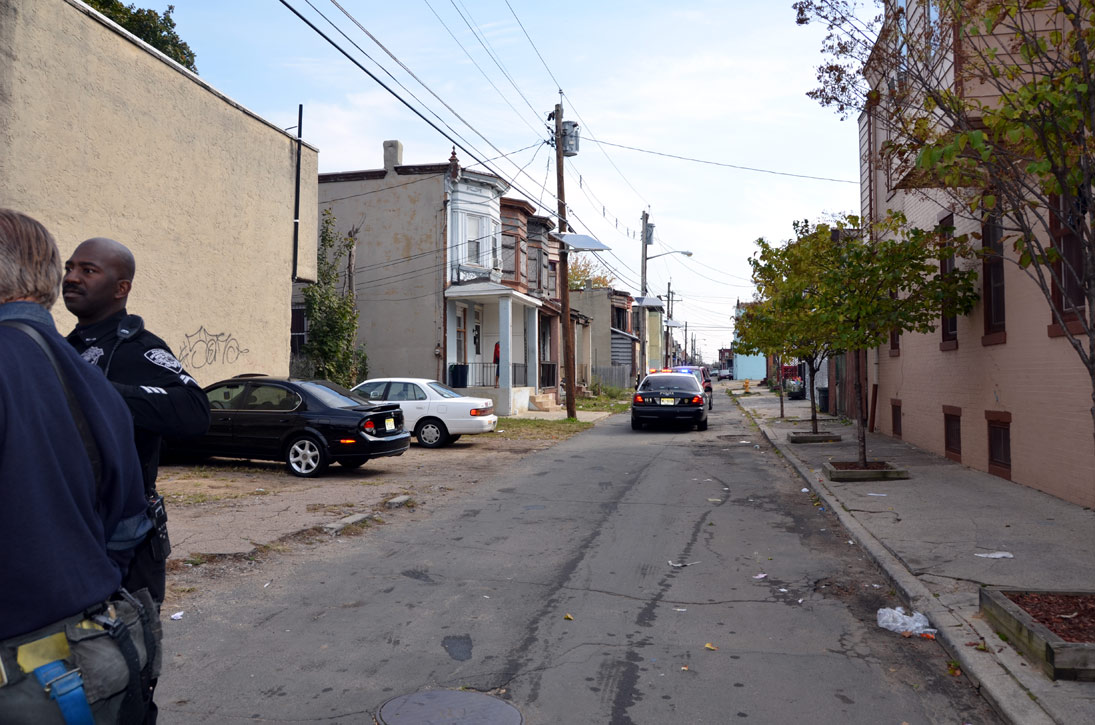
Boyd Street runs through East Camden parallel to Marlton Avenue, from Carman Street to the Pennsauken city limits. Originally named Pfeiffer Street before 1924, it gained notoriety in the late 1980s and 1990s as part of the open-air drug market known as "the Alley."

Birch Street once ran from Front Street through Ninth Street in North Camden. Over the years, the Delaware River Bridge, the Port Authority, and the Northgate Apartment Buildings took most of the street off the map.

Forty-Second Street runs from Jersey Avenue to Camden Avenue in East Camden, crossing Westfield Avenue and High Street, then picks up again for one block between Federal Street and Fremont Street.

Forty-First Street runs from Jersey Avenue to Poplar Avenue in East Camden, crossing Westfield Avenue and High Street, then picks up again at Federal Street for one block to Myrtle Avenue.

Fortieth Street runs south from Poplar Avenue to Jersey Avenue in East Camden, crossing Westfield Avenue and High Street, then picks up again at Federal Street for one block to Myrtle Avenue.

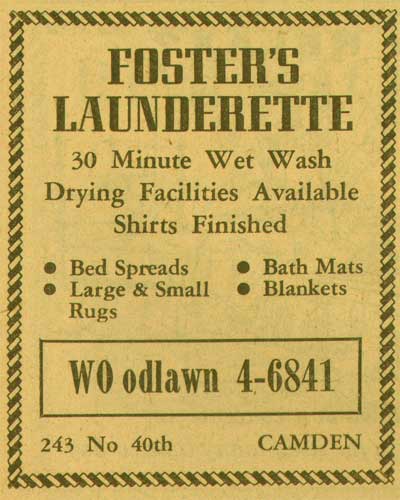
Thirty-Ninth Street runs south from Jersey Avenue to Camden Avenue in East Camden, crossing Westfield Avenue and High Street. City directory and newspaper records document occupants of the 200, 300 and 400 blocks from 1924 to 1947.

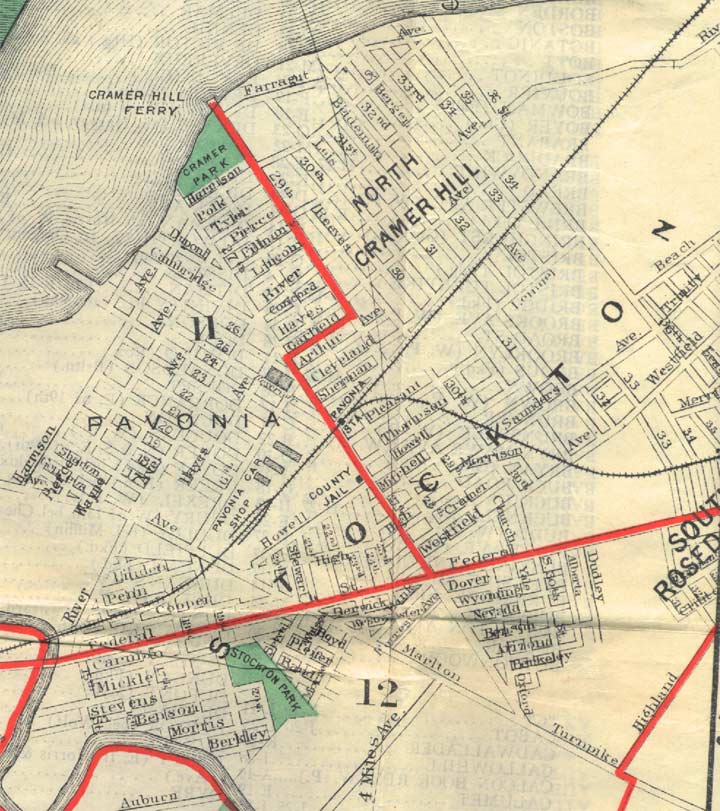
Thirty-Sixth Street runs from the Delaware River south, across River Road, to Federal Street, and forms Camden's northern border with Pennsauken Township at intervals along its length. It became part of Camden when Stockton Township was annexed in 1899, and had been known in Pennsauken as Cove Avenue into the 1890s.

35th Street runs from the Delaware River south to River Avenue, then resumes east of the Pavonia railroad switching yard and again beyond Westfield Avenue, reaching Federal Street and continuing three blocks to Highland Avenue at the Pennsauken border. It is North 35th Street above Federal and South 35th below.

34th Street runs from the Delaware River south to Highland Avenue at the Pennsauken border. It is North 34th Street above Federal and South 34th below.

33rd Street runs from the Delaware River south to Highland Avenue at the Pennsauken border, interrupted by the Pavonia railroad switching yard and by a rail line at Rosedale Avenue. It is North 33rd Street above Federal Street and South 33rd below.

32nd Street runs from the Delaware River through Cramer Hill and East Camden to the city limits at Highland Avenue, with North and South addresses dividing at Federal Street. At Westfield Avenue an acre of cultivated land and an old house called the "Mansion" were razed for the Westfield Acres housing project, which was itself razed in 2000 and replaced by Baldwin's Run.

31st Street spans from the Delaware River through Cramer Hill and East Camden, with no addresses outside Cramer Hill since the early 1920s. It is North 31st Street above Federal and South 31st below.

Thirtieth Street runs from the Delaware River south, across River Road to the Pavonia railroad switching yard, then to Westfield Avenue and on to Federal Street, and to the intersection of Line Street and Beacon Avenue, just above Waldorf Street. It is North 30th Street above Federal and South 30th below.

29th Street runs from the Delaware River south across River Road to the Pavonia railroad yards, then from Pleasant Street to Westfield Avenue and from Federal Street to Clinton Street. It is North 29th Street above Federal and South 29th below.

28th Street runs from the Delaware River south, across River Road to the Pavonia railroad switching yard, then to Westfield Avenue, Federal Street and Washington Street. It is North 28th Street above Federal and South 28th below.

26th Street, originally called Union Street in the pre-annexation Pavonia section, runs through Cramer Hill and East Camden from the Delaware River to Bank and Mickle Streets. It was laid out before 1887 and renamed after Stockton Township was absorbed by Camden in 1899.

Beideman Avenue runs through Camden's Cramer Hill and East Camden sections, east of North 32nd Street, from the Delaware River south to Cleveland Avenue and from Lemuel Avenue through what was Westfield Acres to Westfield Avenue. It was named for the Beideman family, who owned a great deal of land in northern Cramer Hill before its residential development.

Clare Street is a one-block thoroughfare in South Camden, running from Pine Street to Division Street. Originally called Pine Avenue, it was renamed Clare Street between 1878 and 1890, then later renamed Jesthroe Hunt Sr. Lane in honor of a Camden firefighter who passed away in 2005.

Sycamore Street is one of Camden's "tree" streets, originally running east from Front Street to Haddon Avenue; its intersections at 7th, 8th and Louis Streets were hubs for different ethnic and cultural communities.

23rd Street originates in the former Pavonia section — now Cramer Hill — and extends south to Federal Street in East Camden; it had been laid out by the time the 1887–1888 Camden City Directory was published. The James G. Blaine School stood at the southeast corner of 23rd Street and Wayne Avenue.

22nd Street spans the former Pavonia section — now Cramer Hill — and extends south to Federal Street in East Camden, already laid out by the time the 1887–1888 Camden City Directory was published.

Twenty-First Street runs through Cramer Hill and into East Camden, extending from Harrison Avenue to Federal Street, established by the 1887–1888 Camden City Directory.

Twentieth Street runs through Cramer Hill and East Camden, from Harrison Avenue to Bank Street, established by the 1887–1888 Camden City Directory. In 1954, fourteen homes with South 20th Street addresses were added when McGuire Gardens public housing was built; they were demolished and redeveloped in the 1990s.

Nineteenth Street runs from the Pavonia railroad switching yards across River Avenue north to Harrison Avenue in the Cramer Hill section of Camden, New Jersey.

Eighteenth Street runs from River Avenue north to just beyond Harrison Avenue in the Cramer Hill section of Camden, New Jersey. Originally called Dayton Avenue, it was renamed shortly after the 1900 Census.

Bailey Street appears to be named for real estate developer William T. Bailey, who was responsible for building rows of homes between North 5th and North 6th Streets on State, Grant, Bailey and York Streets.

Seventeenth Street runs through two separate sections of Camden: North 17th Street extends from Harrison Avenue to River Avenue through the Cramer Hill neighborhood, while South 17th Street runs from Federal Street southward across Carman Street to Admiral Wilson Boulevard in East Camden.

Camden has two separate 12th Streets: North Twelfth, which once ran from Federal Street to the Cooper River before being largely erased by highway construction, and South Twelfth, which runs from Fairview Street to Lakeshore Drive and is lined with post-World War II rowhouses.

J. B. VAN SCIVER & CO. This firm occupy a handsome building on the corner of Delaware avenue and Federal street . It is of mammoth proportions and is visible along the whole river front.

Fremont Avenue, also known as Fremont Street, runs southeast through East Camden from Garden Avenue to South 38th Street, parallel to Federal Street.

State Street, established in 1856, runs from the Delaware River to the Cooper River in North Camden. Citizens petitioned for it to shorten the trip to markets and the ferry.

Cramer Street runs east through the Cramer Hill and East Camden neighborhoods of Camden, NJ. Named for real estate developer Alfred Cramer, who sold more than 5,000 building lots in the area by 1897, it stretches from the 2600 to 3400 blocks.

Baird Boulevard (originally Baird Avenue) runs diagonally through the Parkside and East Camden neighborhoods, named for Camden businessman and U.S. Senator David Baird Sr. It begins at Kaighn Avenue, crosses the Cooper River and Admiral Wilson Boulevard, and terminates at the intersection of Federal Street and 27th Street in East Camden.

The Parkade Building was built in the mid-1950s on the site of Roosevelt Plaza Park, opposite City Hall on Fifth Street in Camden. Mayor George E. Brunner's plan to ease parking downtown failed to revive Broadway businesses, and demolition was approved in October 2003.

Haddon Avenue is one of Camden's oldest roads, dating to at least 1792 as a bridle path and incorporated as the Haddonfield & Camden Turnpike in 1839. It runs southeast from Federal Street to the city limits toward Collingswood, Haddon Township, and Haddonfield.

Mickle Street, also known as Martin Luther King Jr. Boulevard, is a major east-west road in Camden, named for John W. Mickle, a Federal Street Ferry organizer with a large stake in the Camden and Amboy Railroad.

A Post Office was established in Camden in 1803 and called Cooper's Ferry Post Office, under which name it continued until 1829 when it was changed to Camden.

One of Camden's oldest and most storied streets, named after the Cooper family. Covers the full length from the waterfront to the 2000 block, including the Victor Talking Machine Company, Esterbrook Pen Company, Johnson Park, the Hotel Plaza, the Walt Whitman Hotel, the Elks Lodge, and East Camden's other Cooper Street.

Thirty-Eighth Street runs south from Jersey Avenue to Camden Avenue in East Camden, crossing Westfield Avenue and High Street, then picks up again for one block between Federal Street and Fremont Street.

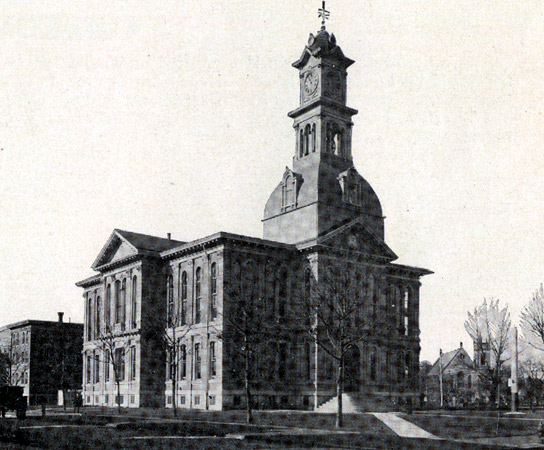
The clocks atop Camden City Hall have marked the hours since 1876, when the first town clock, costing $3,575, rang out for the first time on May 26. For the present City Hall, finished in late 1930, the architects Edwards & Green placed four clocks, one facing each direction, above the 17th floor.

Admiral Wilson Boulevard (US Route 30) runs from the Benjamin Franklin Bridge to Airport Circle, named after World War I naval hero Admiral Henry Braid Wilson Jr. of Camden — originally designated as Bridge Boulevard when it opened.

Crescent Boulevard is the street name assigned to US Route 130, which passes through Camden at four points: in East Camden, just south of the Cooper River, from south of the railroad tracks toward Haddon Township, and from Mount Ephraim Avenue to Newton Creek at Camden's extreme southern end.

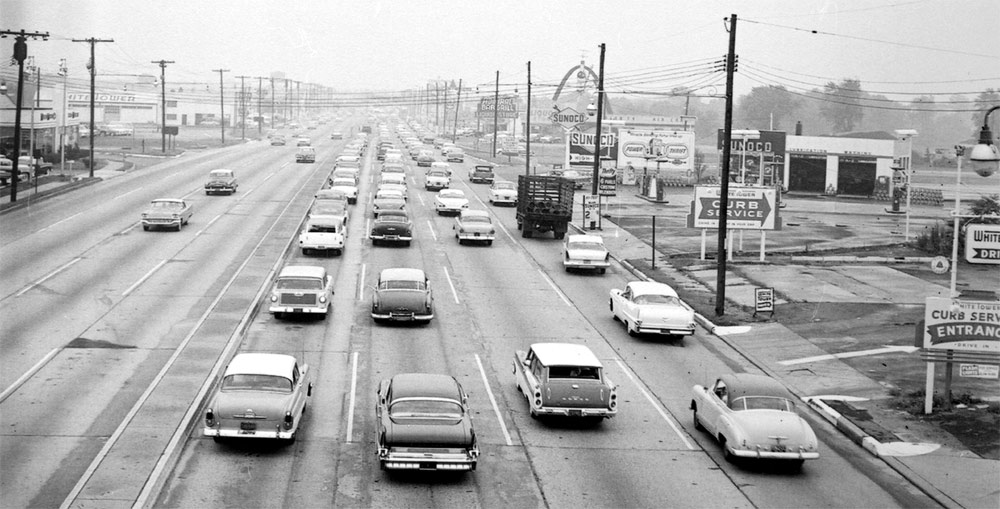
The gas station, on the southwest corner of 18th and Federal , was razed sometime in the 1970s. The Dimedio Lime Company, which is across Federal Street , bought the property and erected a new building on the site. Oscar Gibbs' Sinclair Gas Station

Lewis Liberman (1894-1941) was a Camden, New Jersey attorney, World War I veteran, and Police Court judge who also served as assistant city solicitor.

2nd Street extends north-south between Front Street and 3rd Street, running parallel to the Delaware River until Mechanic Street. In the early 1970s, several buildings were cleared on the east side of North 2nd Street below Mickle Street to make way for the Royal Court townhomes and Mickle Tower senior citizens apartment building.