East Camden
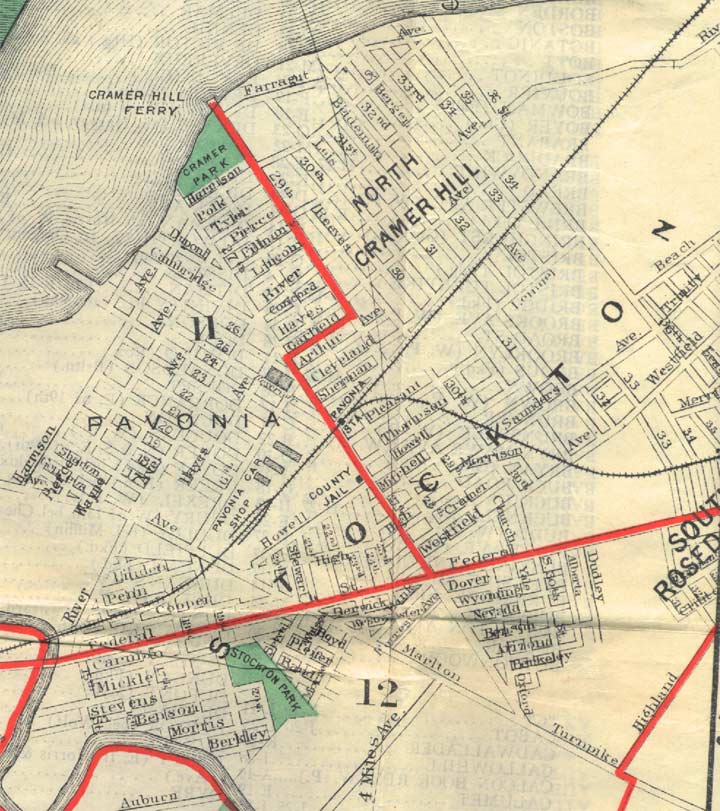
Originally a part of Stockton Township, the area that is now known as East Camden was merged into Camden proper in 1899 along with the neighborhood now known as Cramer Hill. It included the villages of Wrightsville, Stockton, and Rosedale, which lay along Federal Street. The area was served by the Pavonia Railroad Station, located along the railroad line at 27th Street. The East Camden and Cramer Hill area is bordered by the Cooper and Delaware Rivers, and Pennsauken Township.
Stockton Township had a large park that lay a block south of Federal Street and Marlton Avenue. This park, originally known as Stockton Park, had a long and varied history, and over the years has served as a rifle range, a park, the site of a private zoo, Depression-era family vegetable gardens, and, since 1954, the site of the McGuire Gardens public housing project.
East Camden Growth
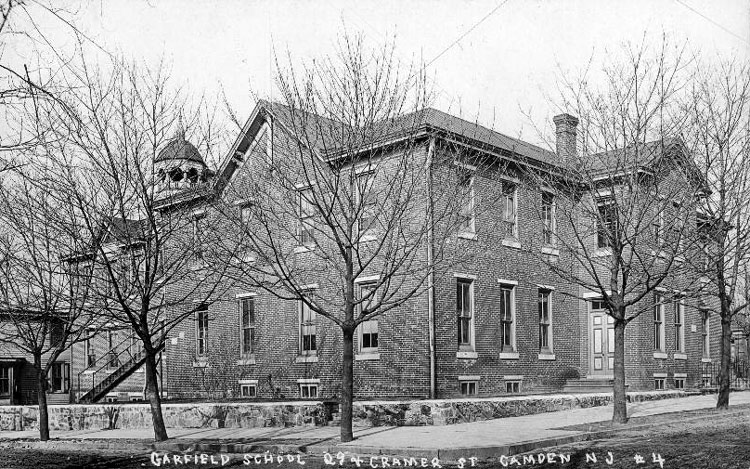
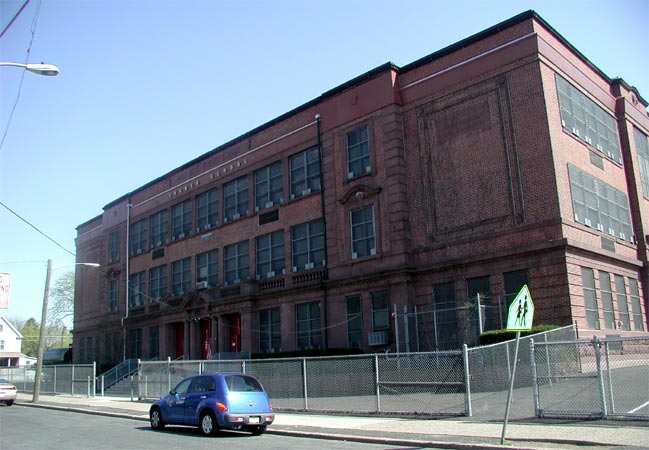
Real estate developers such as J. Howard Kirkbride and Alfred Cramer bought large tracts of land, including parts of the Thomas H. Dudley estate, and laid out affordable building lots, which gave the area its residential character. Much of this activity occurred in the 1890s and early 1900s. Schools built in these times included the Dudley, Garfield, and Cramer Elementary schools. The Cramer School, built in 1913, also served as a junior high school at different times.
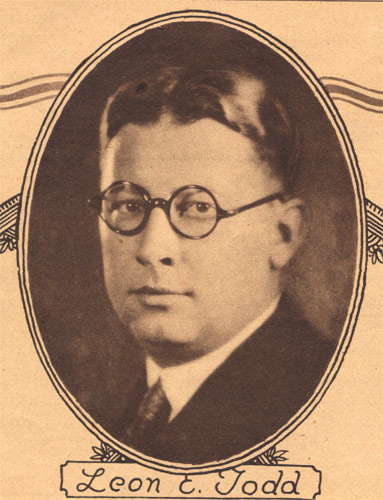
Leon Todd developed the neighborhood between Westfield and Rosedale Avenues, along the railroad tracks that bordered the Dudley estate, below North 33rd Street in the mid-1920s. Both Todd and J. Howard Kirkbride built homes in both Stockton/East Camden and Pennsauken Townships, and if it wasn't for municipal street signs one would not know where East Camden ends and the Pennsauken neighborhoods begin, especially in the area near 36th Street and Camden Avenue. The Octavius Catto School was built in the late 1920s for black children, as Camden's elementary schools were then segregated. The segregation of the elementary schools defied even the logic of those times, as the upper grades had always been integrated.
A similar development to the Westfield and Rosedale Avenues project was built between Federal Street and Crescent Boulevard (then State Highway 25, later US Route 130) along Terrace Avenue around the same time. The growth in East Camden caused the city to build Woodrow Wilson High School on Federal Street across from Dudley Grange in the early 1930s. The Federal government stepped in during the Depression, building the Westfield Acres homes at Westfield and Rosedale Avenues, with the first families moving in in 1938, and the Henry H. Davis Elementary School was built as a companion to this site.
More development occurred when Baird Boulevard was linked to Federal Street, and another period of building activity occurred immediately before and after World War II, ending in the 1950s. Another public housing project, the Peter J. McGuire Gardens, was built in the early 1950s, on the site of the old Stockton Park. The new Francis X. McGraw Elementary School, named for Congressional Medal of Honor awardee Francis X. McGraw, was also built during this period, at Dudley and Fremont Streets.
Industrial development occurred along the railroad tracks. One of the largest facilities was a warehouse at North 36th and Pleasant Street that was used for many years by the Campbell Soup Company.
Decline of East Camden
During the 1960s and 1970s, as the economic fortunes of Camden declined, so did new construction. A new junior high school was built adjacent to the McGraw School on Dudley; this school was simply known as East Camden Middle School. Two high rise apartment buildings, Westfield Towers and John F. Kennedy Towers, were built adjacent to the two public housing sites during this time.
East Camden has seen its ups and downs. For years it was one of Camden's more prosperous and stable areas, until being ravaged by drugs, poverty, and political corruption in the 1980s and 1990s. The neighborhood is currently undergoing a rebirth, in great part through the efforts of the Housing Authority of the City of Camden and the St. Joseph's Carpenters Society, and an influx of Asian and Mexican immigrants who have opened up many small businesses in the area.
Videos of Life in East Camden
Courtesy of Sandra Deady Piesco.
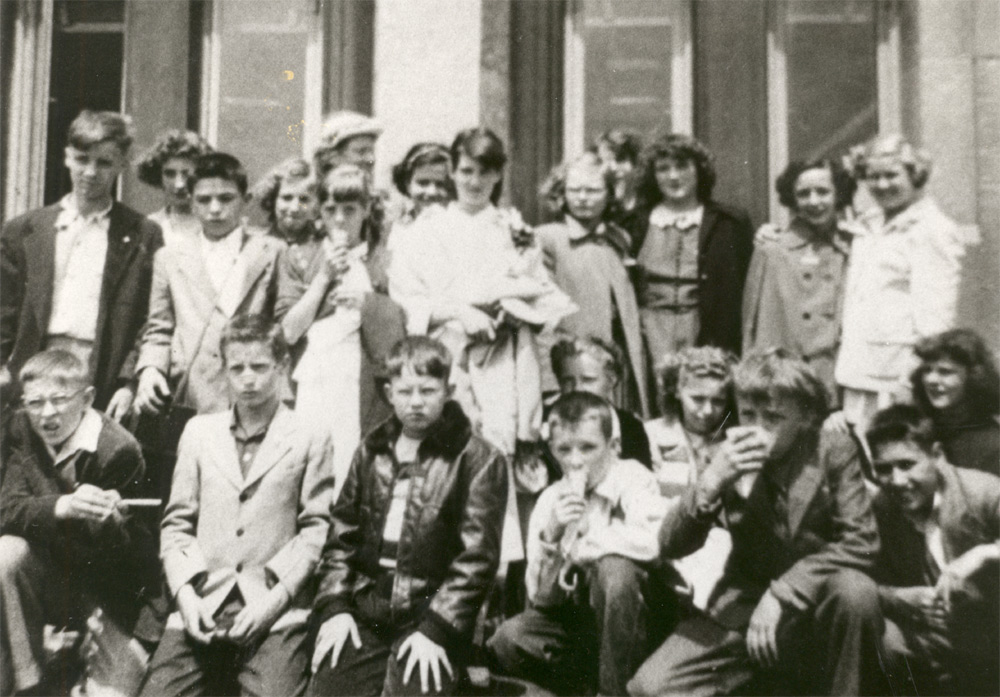
Henry H. Davis School — 1952
Do you recognize anyone here? If you do, please say so in the comments below.
Henry H. Davis School, Miss Ada Haley's 5th Grade Class, 1952
Maps of East Camden
1914 Street Maps
Cramer Hill & East Camden, from a map published in 1914.
View transcription
Read the article: 1914 Street Maps
Bird's Eye View of Cooper's River North from Forest Hill Park
Bird's eye view of Cooper's River north from Forest Hill Park, about 1910
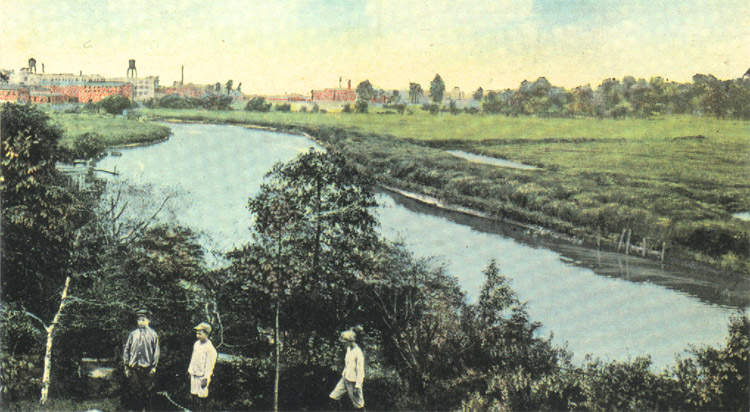
Needless to say, everything on the right side of the river, the north side of the Cooper River, is East Camden. This picture is roughly 15–20 years prior to the building of the Delaware River Bridge (Ben Franklin Bridge) and the building of the Admiral Wilson Boulevard. This picture of the Cooper River was taken from a spot along the river roughly behind the site of the present-day Camden High School.
The City Commission of the City of Camden on December 1, 1927 changed the name of Forest Hill Park to Farnham Park, in appreciation of the late Levi E. Farnham, City Engineer of Camden for thirty years.
Stockton Annexed Against Protest of Democrats — March 1949
Read the article: Stockton Annexed Against Protest of Democrats
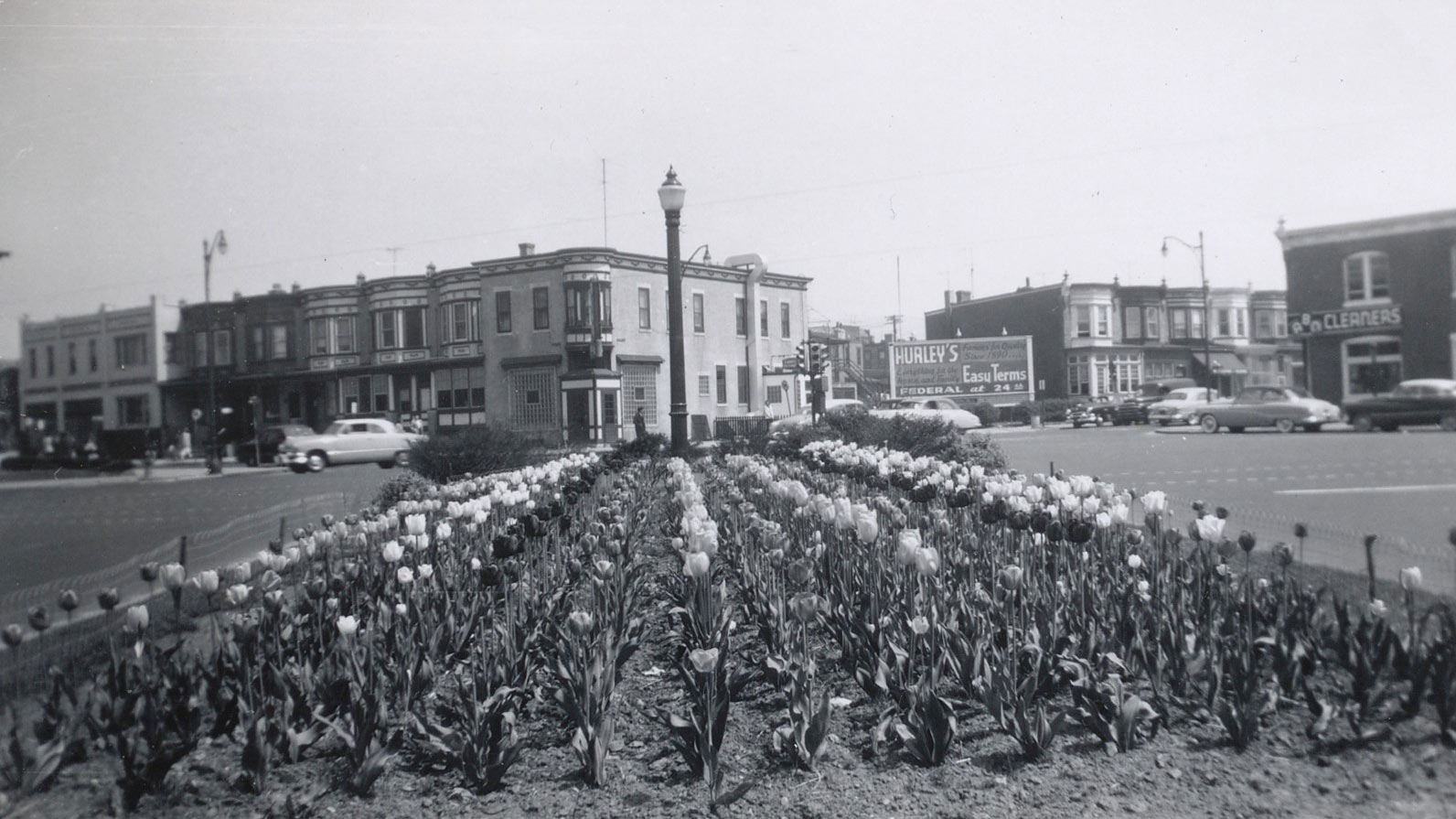
Intersection of North 27th Street & Federal Street, as Seen from Baird Boulevard — April 30, 1953
Baird Boulevard toward North 27th Street and Federal Street, East Camden, April 30, 1953
View transcription
Rows and rows of tulips on Baird Boulevard? When those who were there said Camden was beautiful, this picture shows they were not kidding! If only this one had been in color!
Thanks to Curtis Parrish for furnishing this picture.
Read the article: Susan Leviton's Memories of East Camden
Pavonia Railroad Station — 1908
Pavonia Railroad Station, 27th & Federal Street, 1908
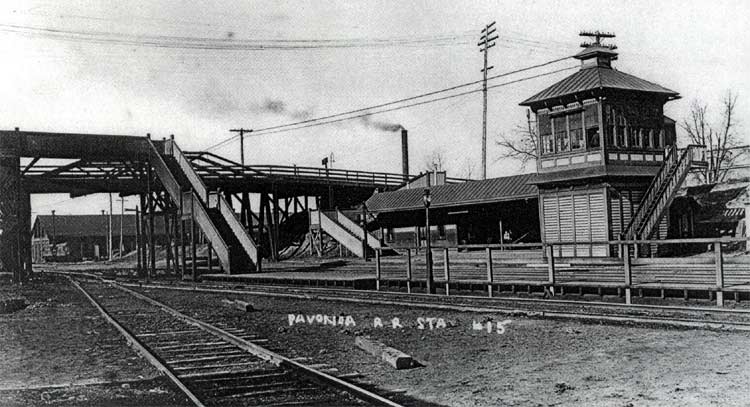
View transcription
Pavonia Car Shop, Pennsylvania Rail Road, 1908, as seen from River Road
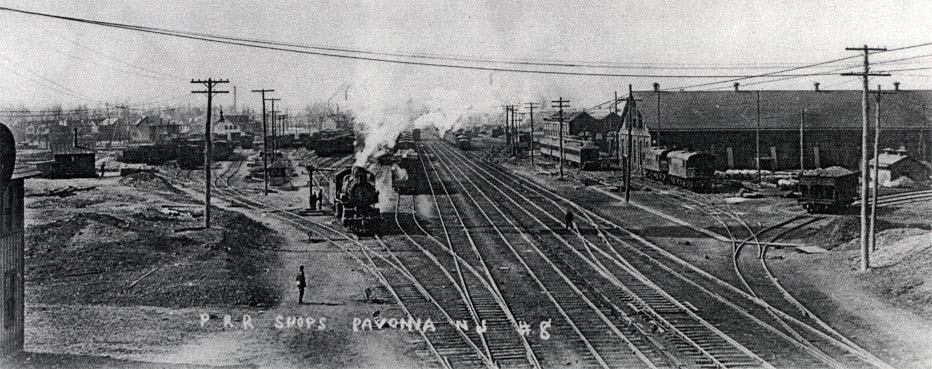
View transcription
Camden baseball tavern tournament team, early 1920s
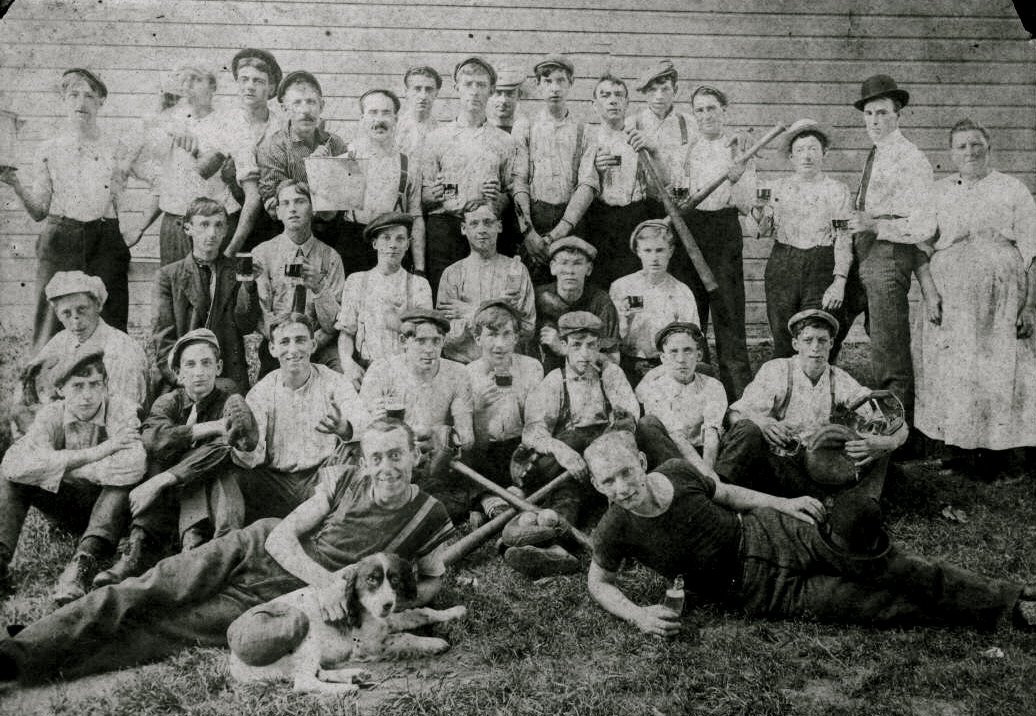
“A photo of what appears to be a local Camden baseball tavern tournament team, early 1920s. My grandfather, Charles David Letts Sr., is lying on the ground with the open bottle. The rest of the males in the Letts family have always tried to follow his example. The picture looks like a cross between the Bowery Boys and the Katzenjammer Kids.” — Edward Letts, January 2011
Olga’s Diner
See Olga’s Diner.
24th & Federal Street, 1956
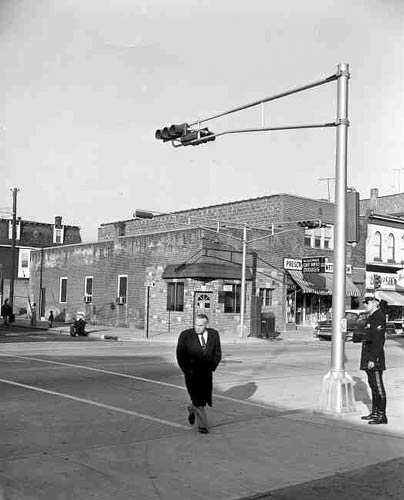
View transcription
Jacob Naden Business Card
Business card (front) for Jacob Naden's store, 24th & Federal Streets, Camden
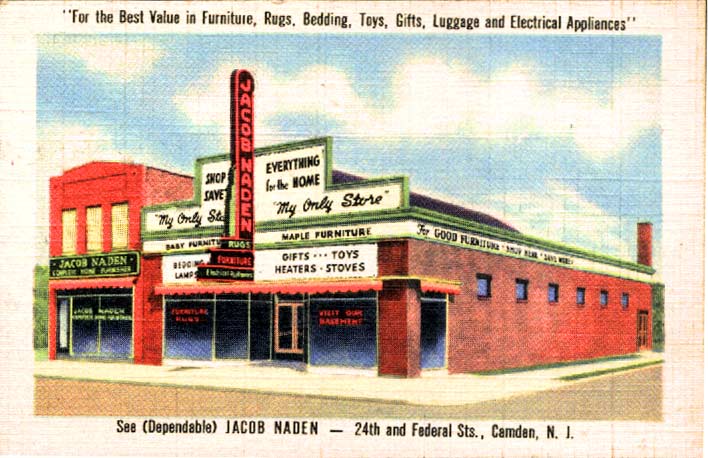
View transcription
Business card (back) for Jacob Naden's store, 24th & Federal Streets, Camden
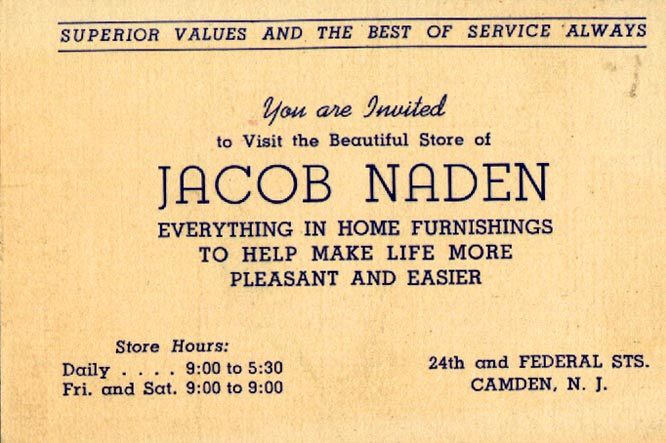
View transcription
East Camden Public Buildings
Starting in 1903, shortly after East Camden was made a part of Camden, public improvements were built.
At the intersection of Federal Street, Westfield Avenue, and 27th Street are the Firehouse, Police Station, and Public Library that were built between 1899 and 1906. The firehouse was still in use in 2003.
1903 datestone, East Camden police station, 2003
View transcription
East Camden firehouse, Federal Street & 27th Street, 2003
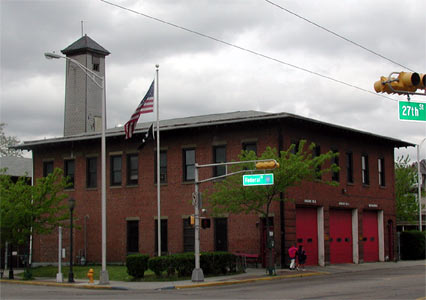
View transcription
East Camden police station, 2003
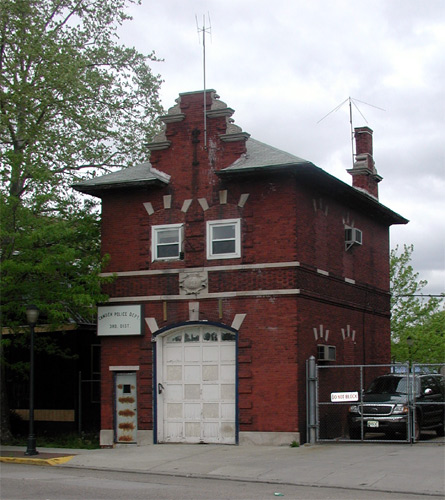
View transcription
East Camden police station, 2003
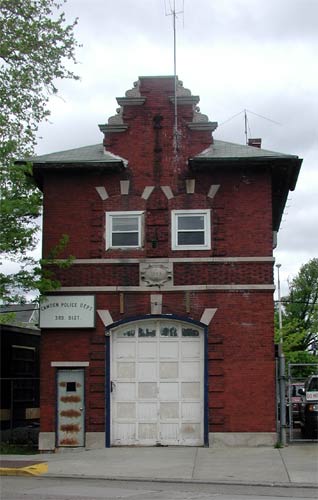
View transcription
27th & Federal Street, 1956
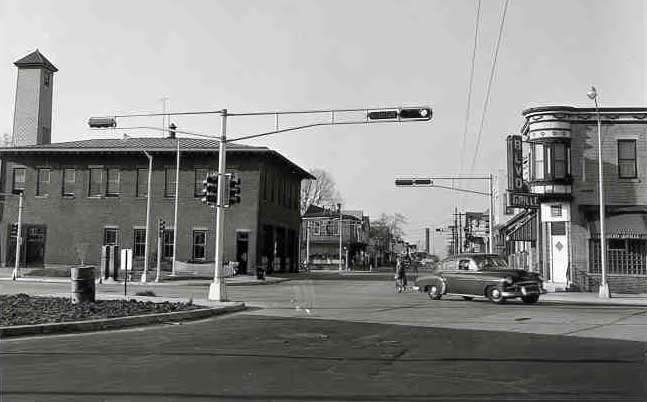
View transcription
To the right, the Boulevard Grille, still open in 2003 as Freddie's Bar.
East Camden Real Estate Developers
Alfred Cramer and J. Howard Kirkbride laid out and sold lots in East Camden and in Cramer Hill. The neighborhood rapidly expanded, and many homes were built. After World War I was concluded, further development was done by realtors such as Leon Todd and Edward Miller.
Alfred Cramer, 1886
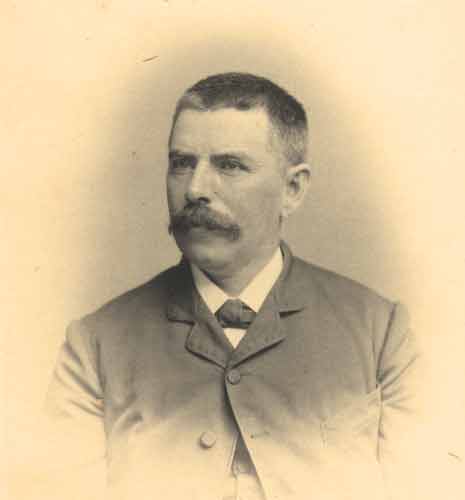
Leon Todd
View transcription
James A. Garfield School — 2825 Cramer Street
James A. Garfield School, Cramer Street, Camden
View transcription
Alfred Cramer School
Alfred Cramer School, 2003
View transcription
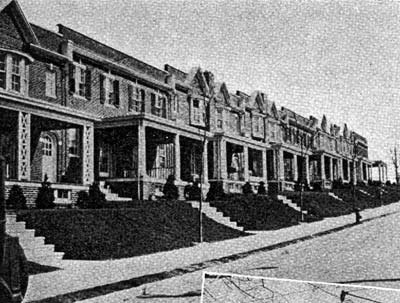
Westfield, Merriel, & Rosedale Avenues at 32nd Street
Black-and-white photographs from April 1925; color photographs taken February 2004.
These pages show the many varieties of beautiful “Air-Lite” and “Air-Wa” homes on the outskirts of Camden. These pictures tell there [sic] own story of attractiveness, coziness, and unique fittings. This locality is especially attractive having ideal living conditions, good transportation by bus, trolley, and auto.
Camden First, 1925
3100 block of Westfield Avenue, April 1925.
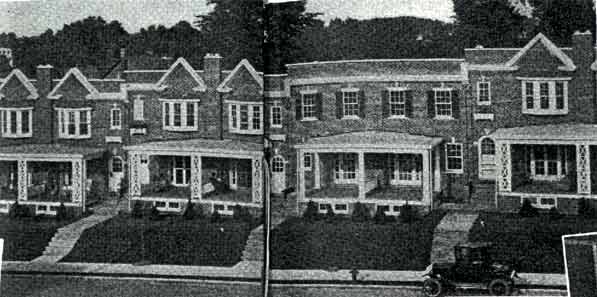
3100 block Westfield Avenue, 1925.
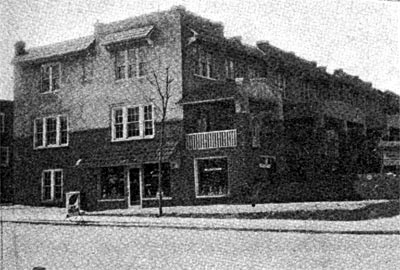
Westfield Avenue east from North 32nd Street, 1925.
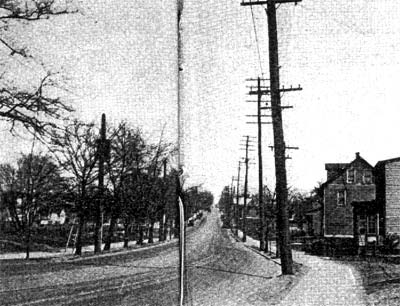
North 32nd Street from Rosedale Avenue, 1925.
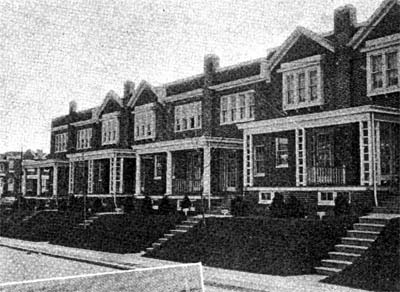
Corner of Westfield Ave. & N. 32nd Street, 1925.
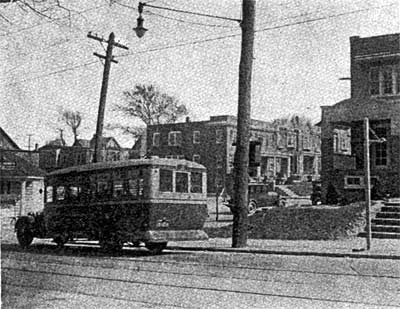
North 32nd Street from Westfield Avenue, 1925.
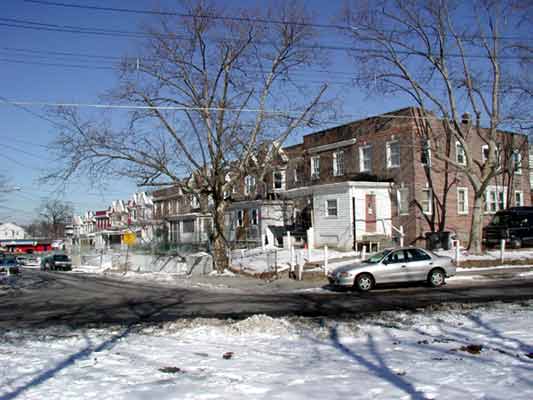
North 32nd Street from Rosedale Avenue, February 2004.
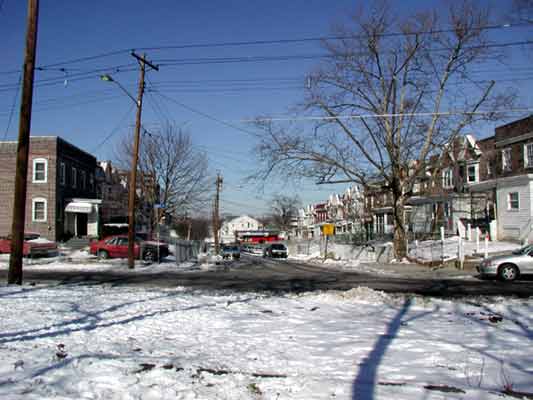
North 32nd Street from Rosedale Avenue, February 2004.
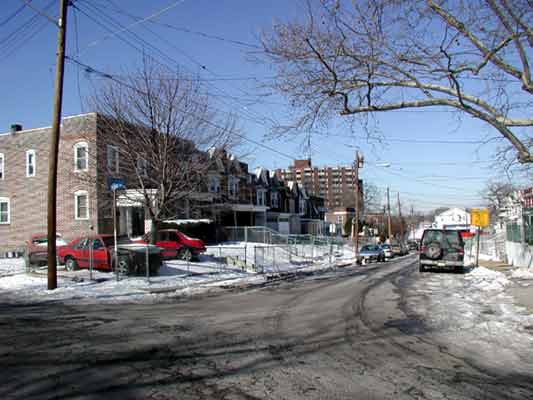
North 32nd Street from Rosedale Avenue, February 2004.
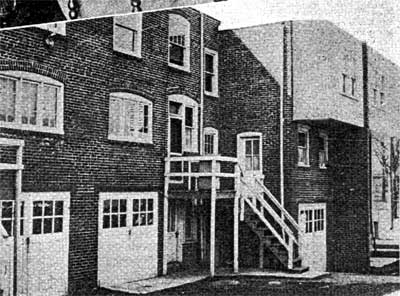
Rear of North 32nd Street row homes, 1925.
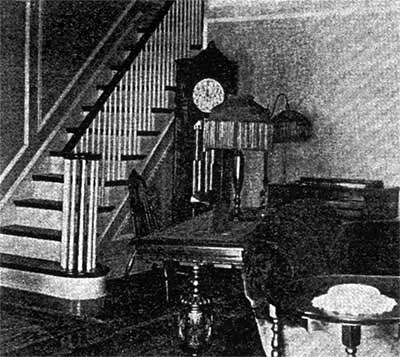
Interior of a home, 1925.
3177 to 3187 Rosedale Avenue.
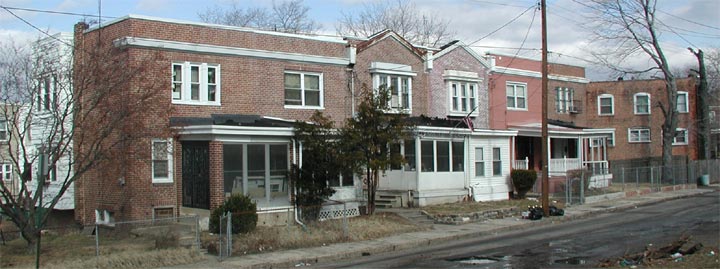
3177 to 3187 Rosedale Avenue, view 1, February 7, 2004
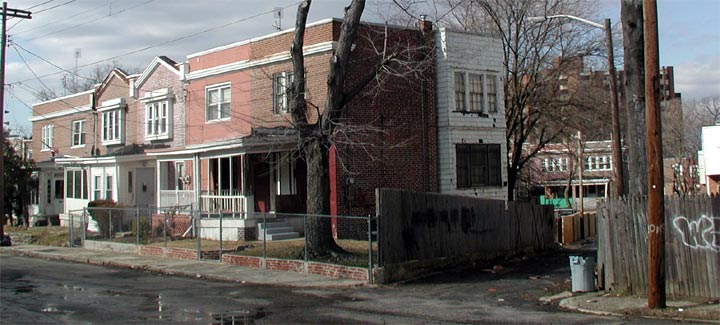
3177 to 3187 Rosedale Avenue, view 2, February 7, 2004
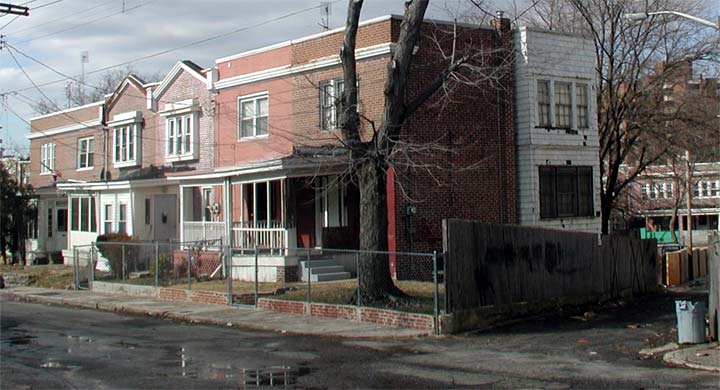
3177 to 3187 Rosedale Avenue, view 3, February 7, 2004
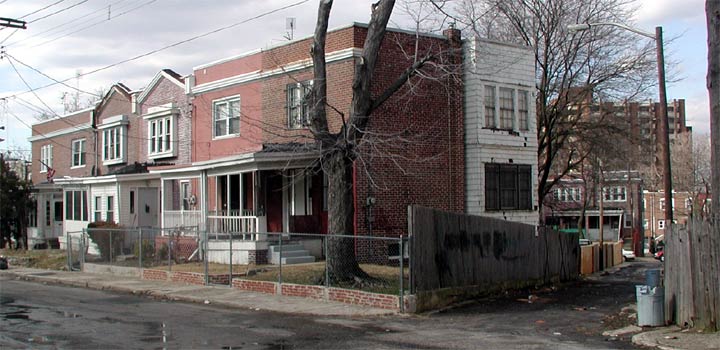
3177 to 3187 Rosedale Avenue, view 4, February 7, 2004
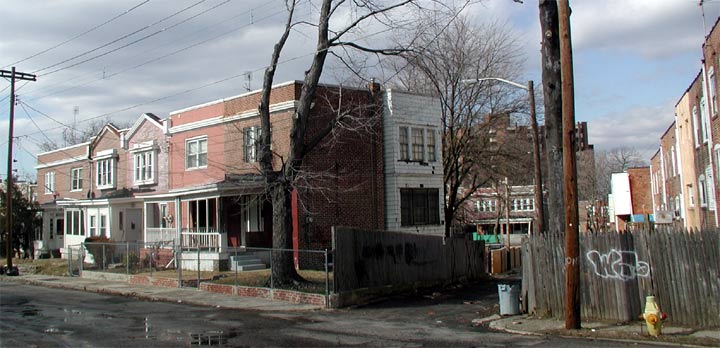
Looking through the alley, one can see two houses on Merriel Avenue, and in the background the Westfield Tower senior citizens high-rise apartment building.
3187 Rosedale Avenue, late 1940s, courtesy of Fred Kalt
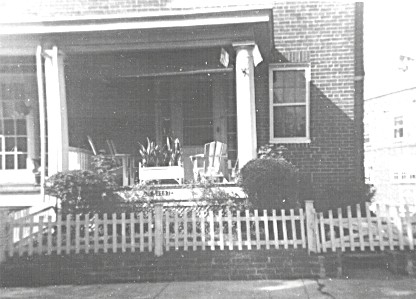
“This is the house at 3187 Rosedale Ave, approximately late 1940s. It's the house I grew up in.” — Fred Kalt
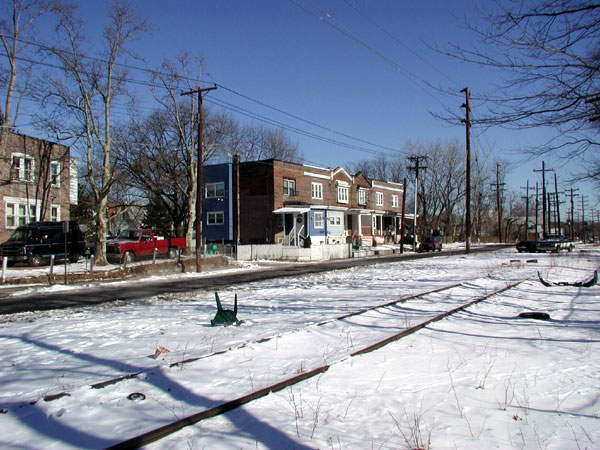
Rosedale Avenue from North 32nd to 33rd Street, February 1, 2004
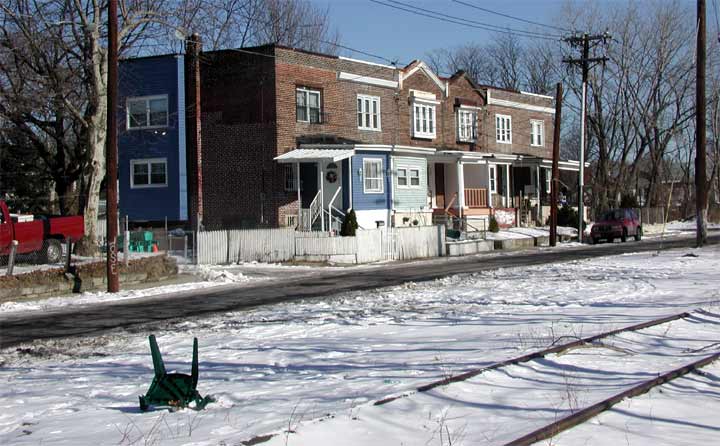
Rosedale Avenue from North 32nd to 33rd Street, another view, February 1, 2004
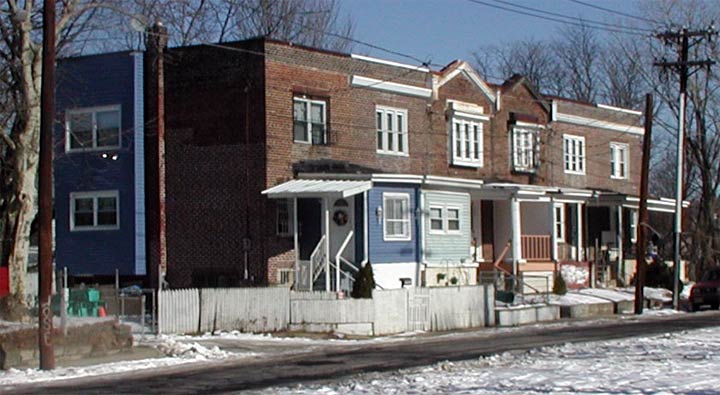
3281 to 3291 Rosedale Avenue, February 1, 2004
School Staff and Administration
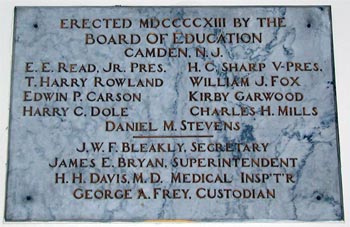
Alfred Cramer School dedication plaque, Board of Education and staff, 1913
View transcription
Read the article: School Staff and Administration
Building Committee and Board Members
Building Committee and Board Members plaque, Alfred Cramer School, 1913
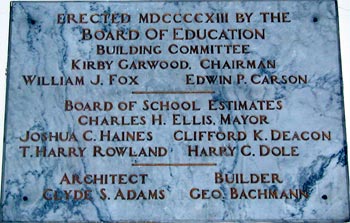
View transcription
Read the article: Building Committee and Board Members
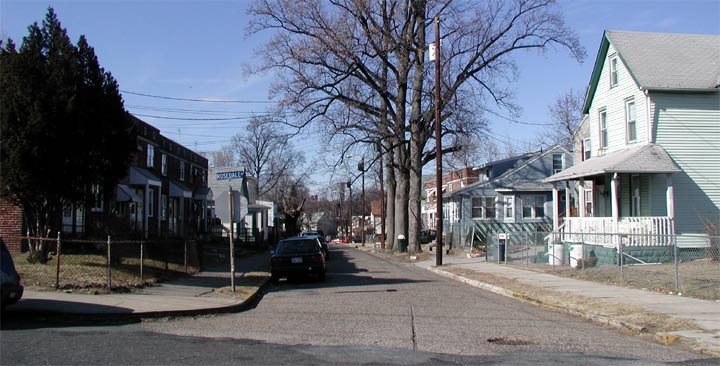
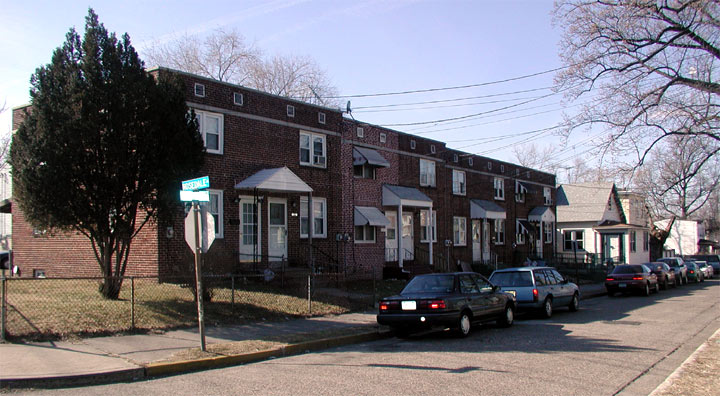
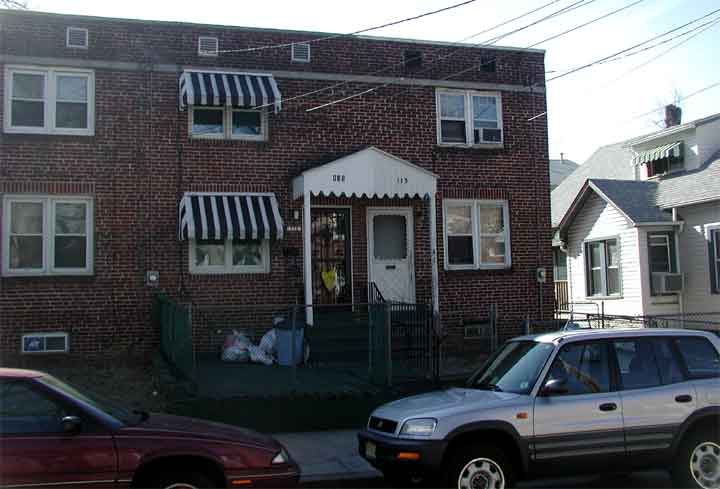
In 2004, the Real Camden Looks Like This
Nobody in the major media will ever tell you about the many, many streets in Camden that look like this: well-kept houses on clean streets.
100 block of North 35th Street from Rosedale Avenue, Camden, February 22, 2004
View transcription
101–119 North 35th Street, Camden, February 22, 2004
View transcription
115-113 North 35th Street, February 22, 2004
View transcription
East Camden in the News
Camden News Notes — June 21, 1903
Philadelphia Inquirer, June 21, 1903
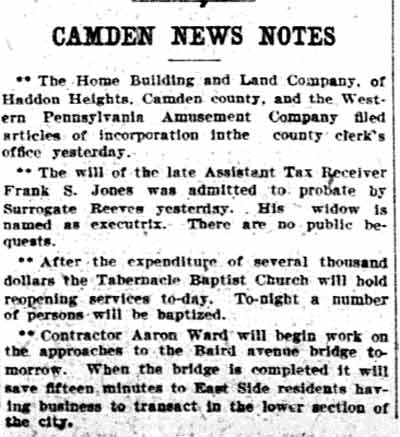
View transcription
Read the article: Camden News Notes — June 21, 1903
Must Stop Cars at Every Corner
Philadelphia Inquirer, March 5, 1913
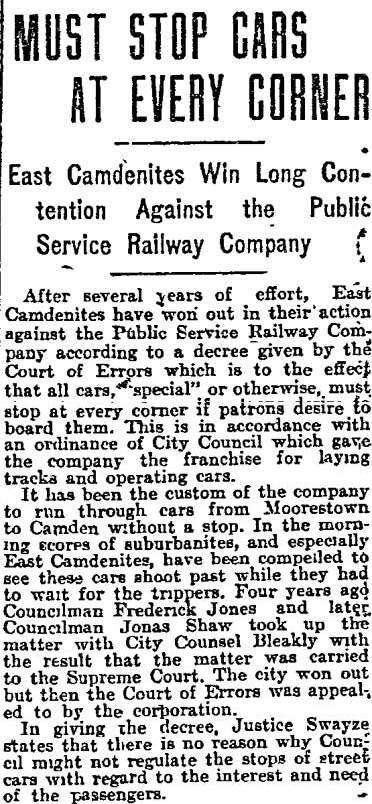
View transcription
Read the article: Must Stop Cars at Every Corner
Philadelphia Inquirer, September 15, 1915
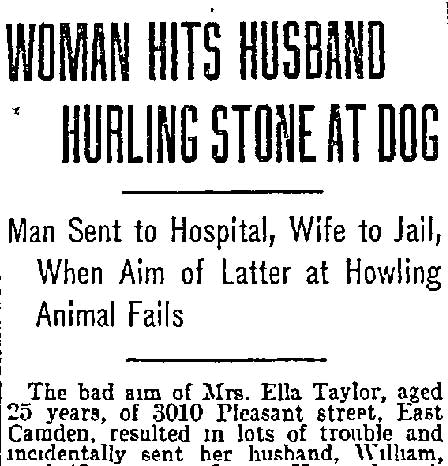
View transcription
Woman Hits Husband Hurling Stone at Dog
Philadelphia Inquirer, September 15, 1915
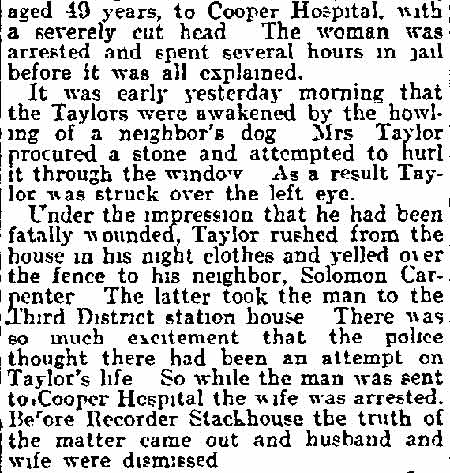
View transcription
Read the article: Woman Hits Husband Hurling Stone at Dog
Aerial View of East Camden — July 1926
Aerial view of East Camden, July 1926, Bridge Avenue Estates advertisement by the Suburban Home Realty Company
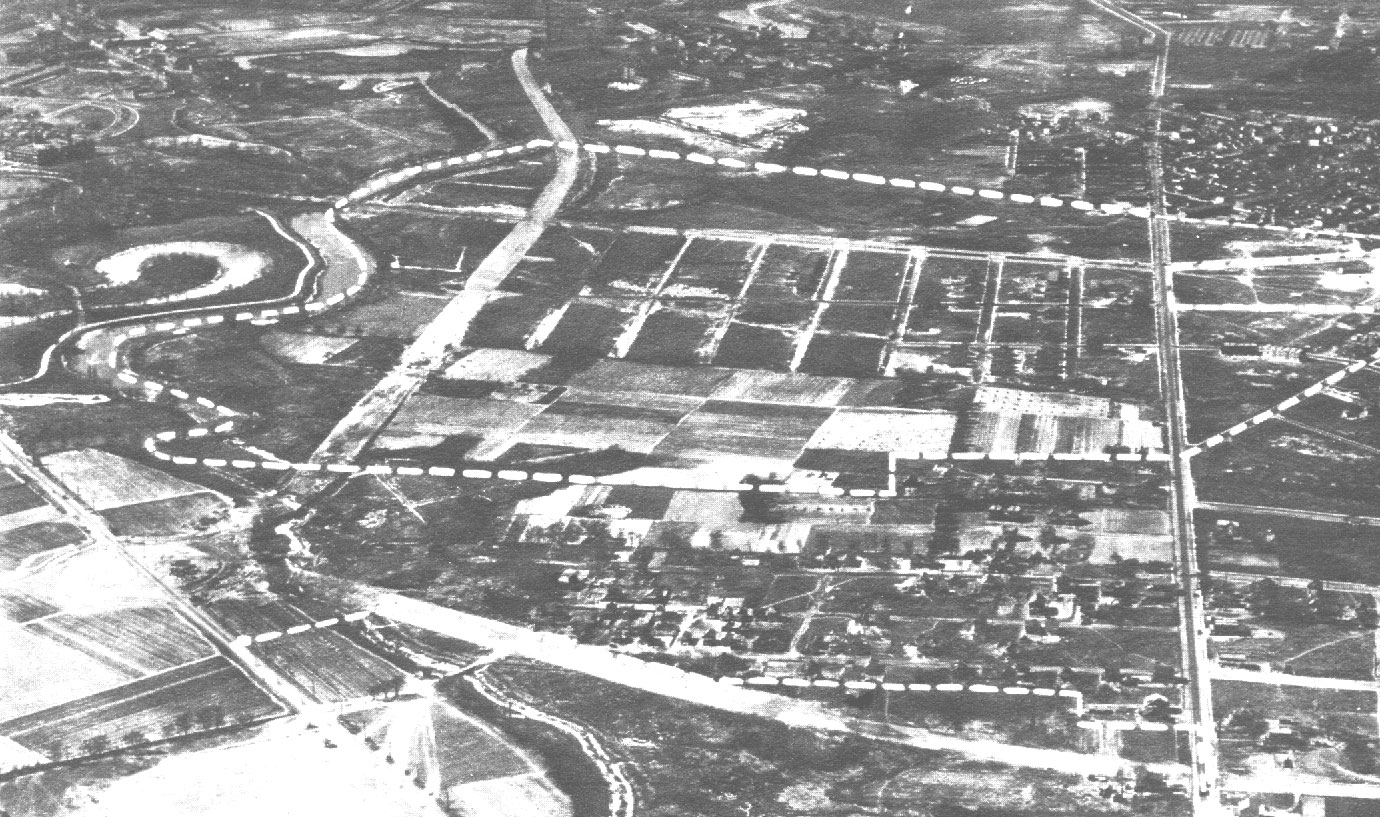
This aerial view of East Camden was part of a July 1926 ad by the Suburban Home Realty Company, located at 325 Market Street in Camden, run by Edward S. Miller.
The newly constructed Bridge Boulevard (later renamed Admiral Wilson Boulevard) and Marlton Pike run parallel, and Baird Boulevard crosses the tract. While streets had been laid out, the Depression and war would slow some homebuilding in this area.
Aerial View of East Camden — 1963
Aerial view of East Camden, 1963, showing Parkside, Baird Boulevard, Farnham Park, McGuire Gardens, Marlton Avenue, Admiral Wilson Boulevard and Airport Circle
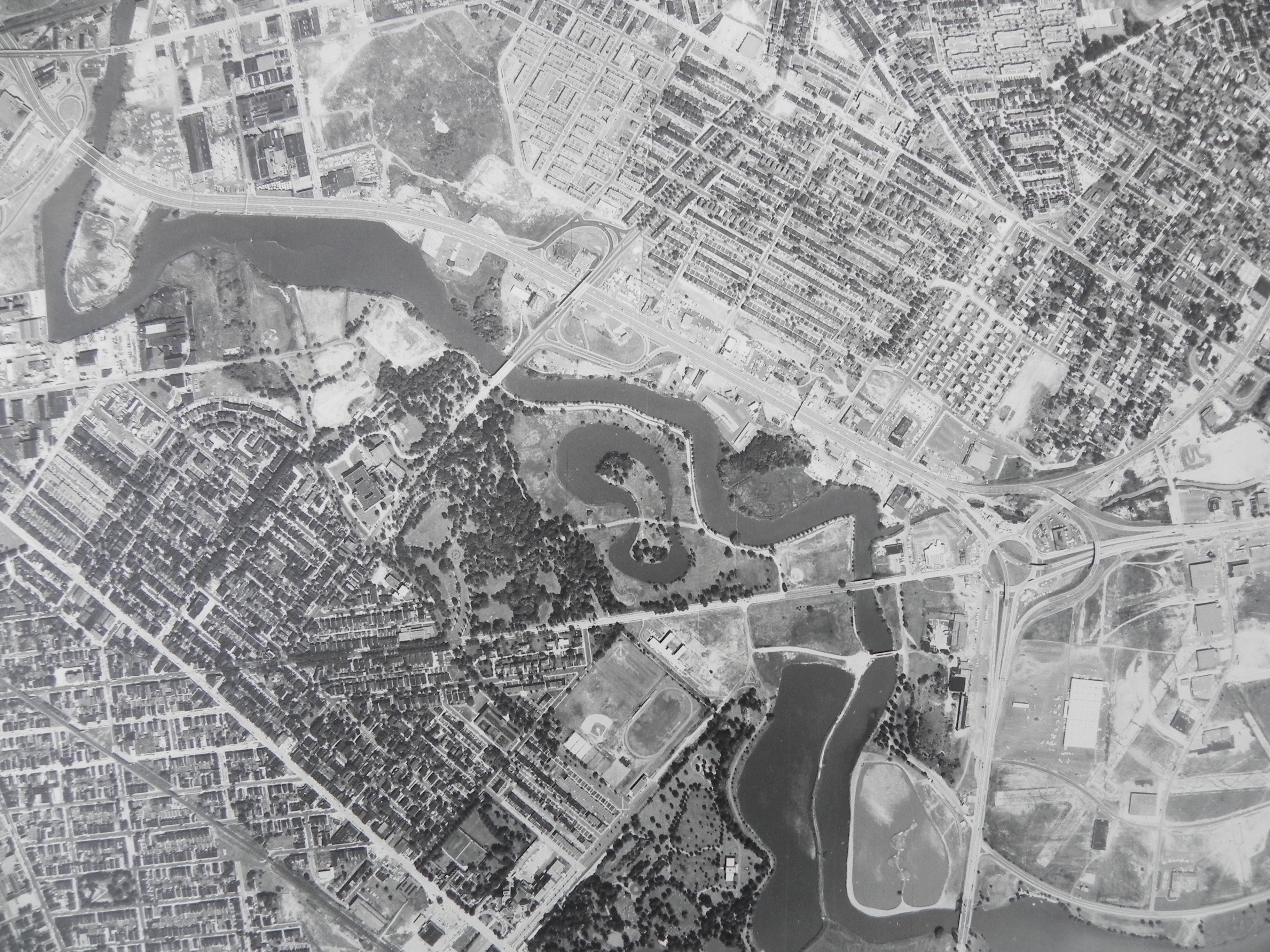
Aerial view of East Camden, 1963, showing Woodrow Wilson High School, Federal Street, Westfield Avenue, Westfield Acres and Fremont Street
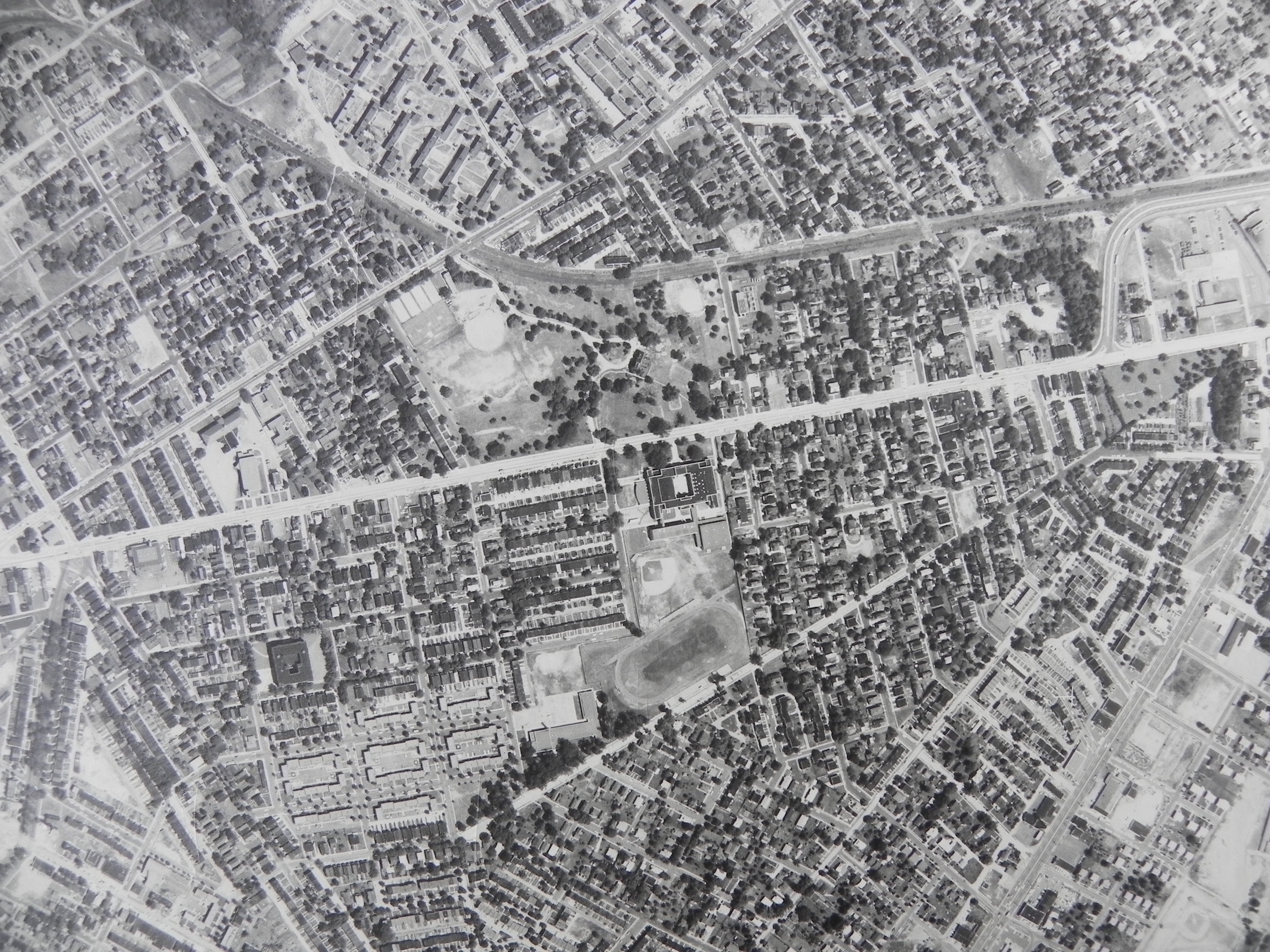
Dudley Grange, 1963
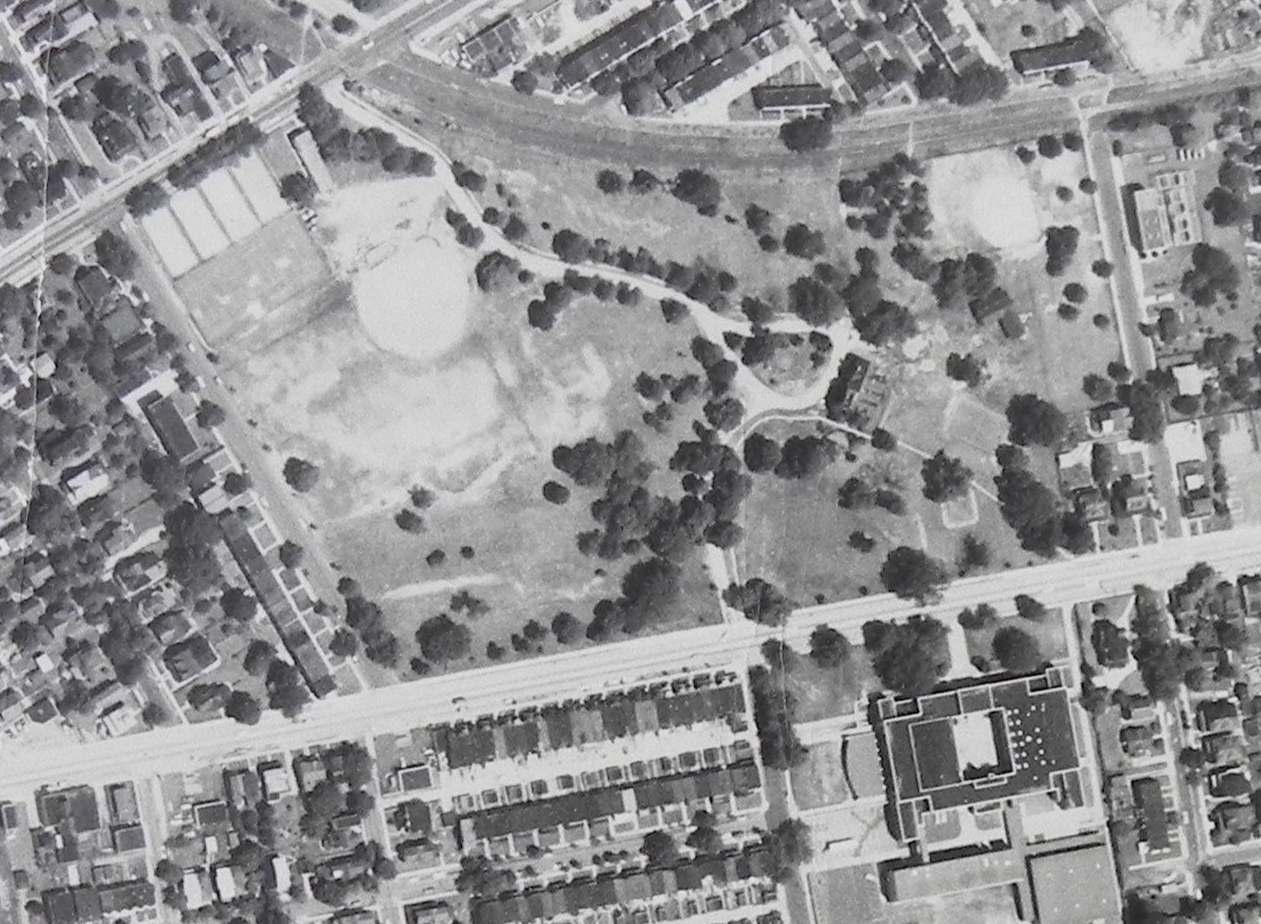
Dudley Grange
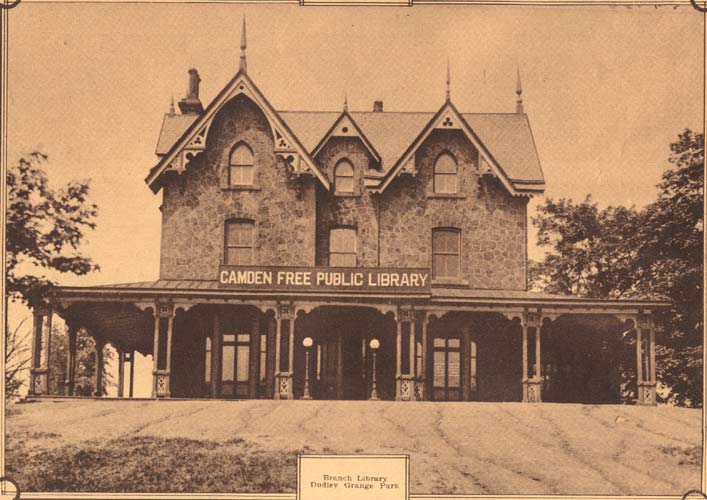
The Library at Dudley Grange, 1928
View transcription
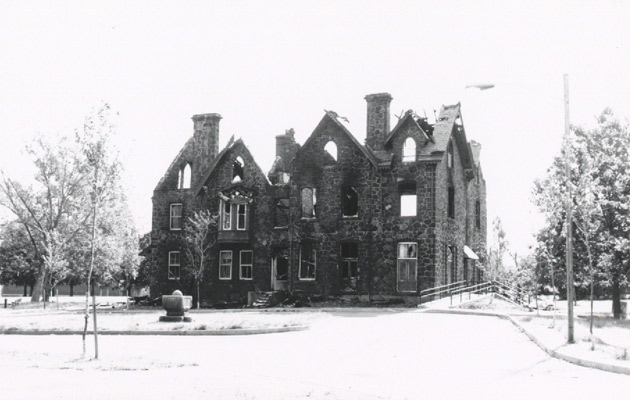
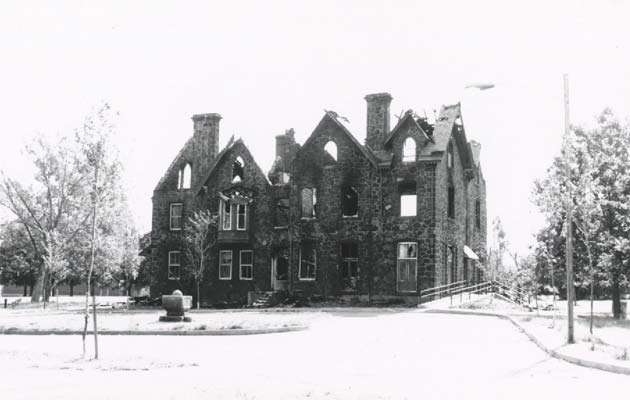
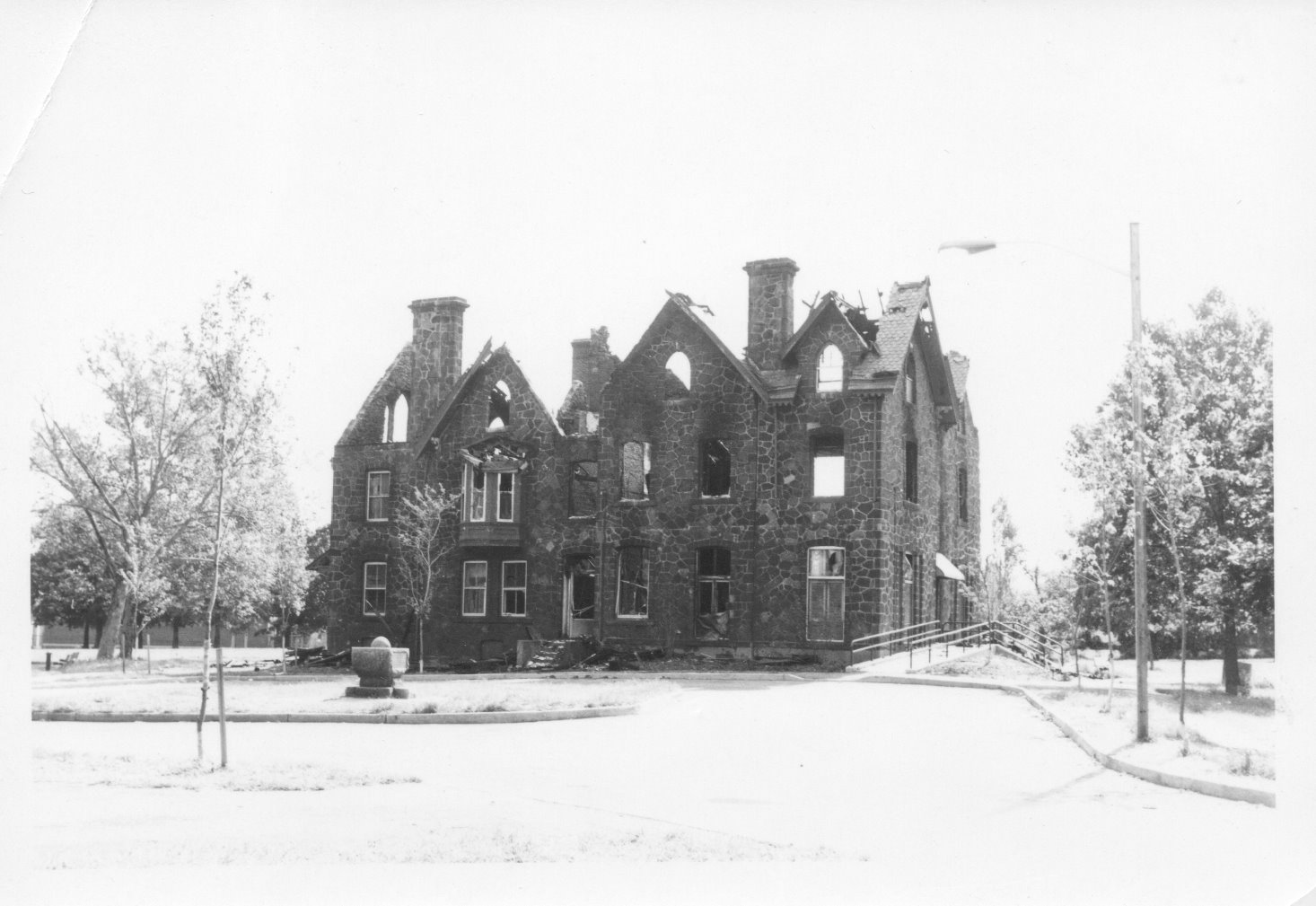
Dudley Grange Park is located at Federal and Dudley Streets in East Camden. The park is on the remainder of the Thomas H. Dudley estate. The Dudley house was the home of the East Camden branch of the Camden Free Public Library up until the late 1970s. Neglect on the part of city government resulted in the destruction of this historic building by fire in August of 1980.
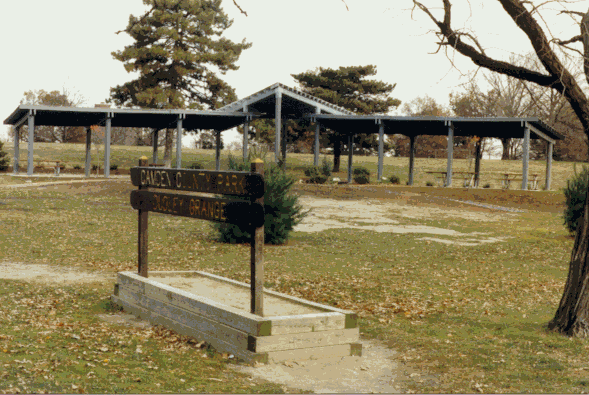
Responsibility for the care and upkeep of Dudley Grange Park fell to Camden County in the 1990s.
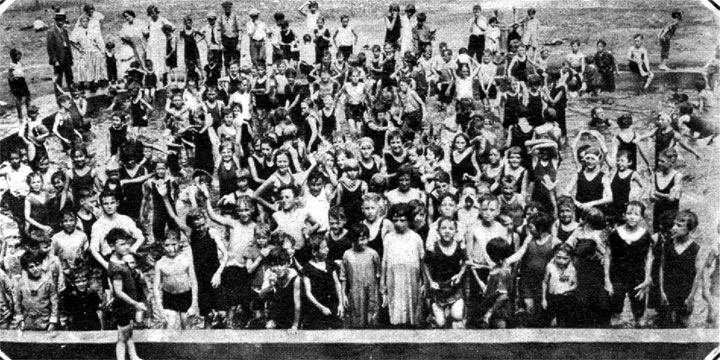
Children enjoying the splash pool at Dudley Grange, July 1926
Dudley Grange Scene of Bible Conference — September 12, 1935
Read the article: Dudley Grange Scene of Bible Conference
Dudley Grange — Photos
Dudley Grange, 1944
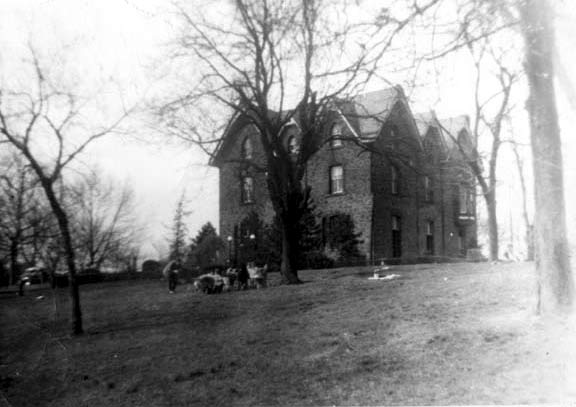
Are those children or sheep in the photo?
East Camden girls at Dudley Grange, late 1940s. From left: Unknown, Ruth Grace Johnson, Unknown.
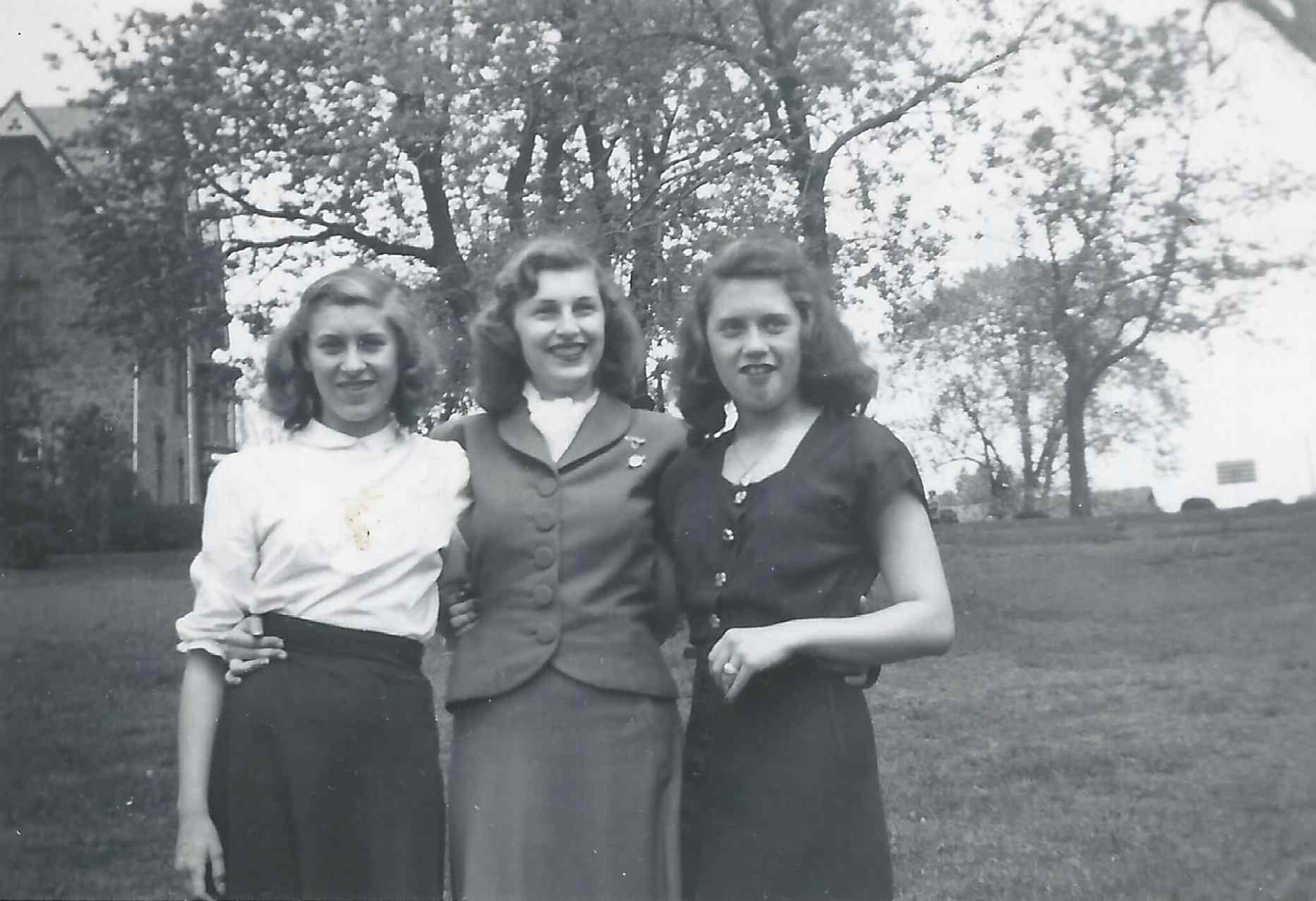
East Camden girls at Dudley Grange, late 1940s. From left: Unknown, Ruth Grace Johnson.
Dudley Grange after the fire, October 1980
Dudley Grange after the fire, October 1980
Dudley Grange after the fire, October 1980
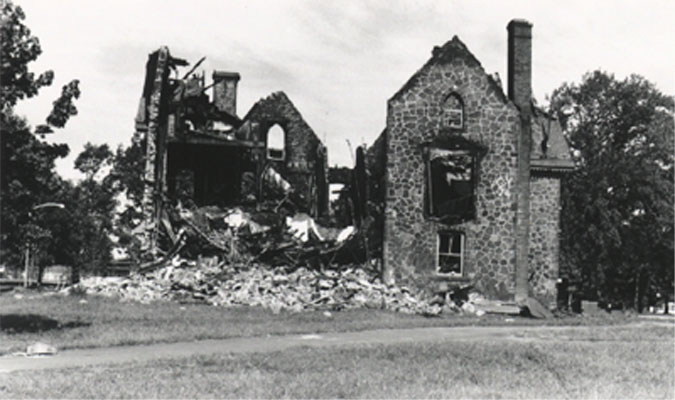
Dudley Grange after the fire, October 1980
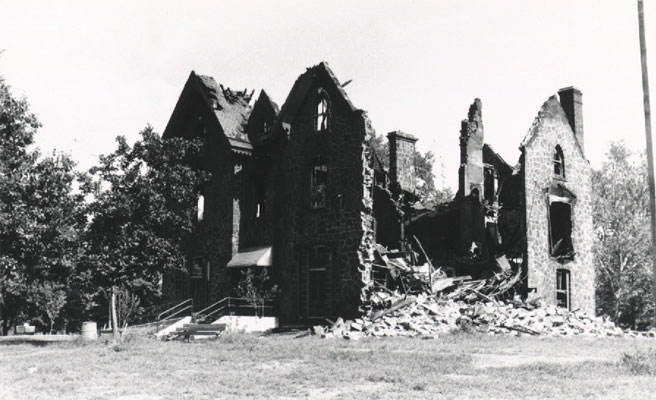
Dudley Grange after the fire, October 1980
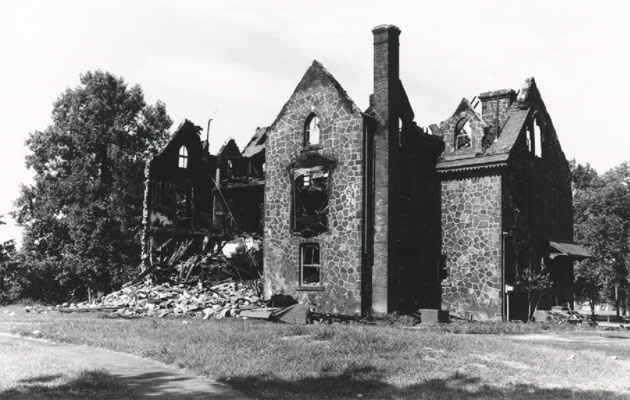
Dudley Grange, August 17, 1986
The picnic shelter in Dudley Grange Park, built 1996
View transcription
Tenth Arrest Made Here in Numbers Quiz
3404 Rosedale Avenue — Where Police Seized Still, After Year's Operation
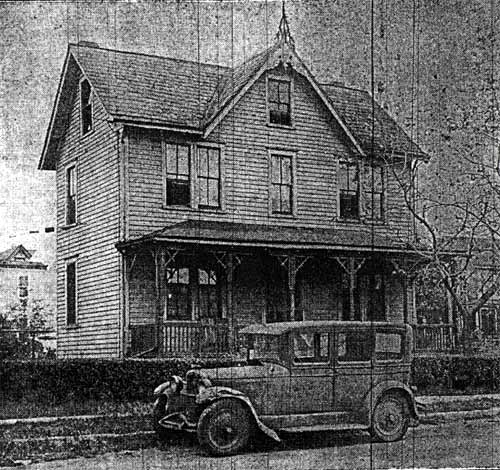
Read the article: Tenth Arrest Made Here in Numbers Quiz
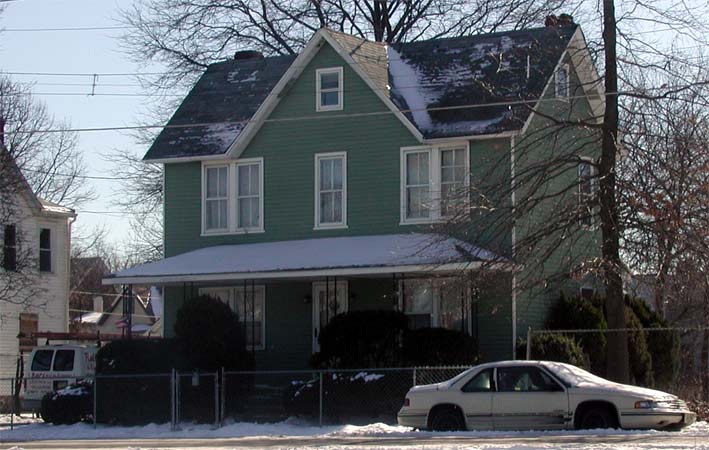
3404 Rosedale Avenue
3404 Rosedale Avenue, February 1, 2004
250 Children Vie for Ribbons At Dudley Grange Track Meet
Camden Courier-Post, August 22, 1936
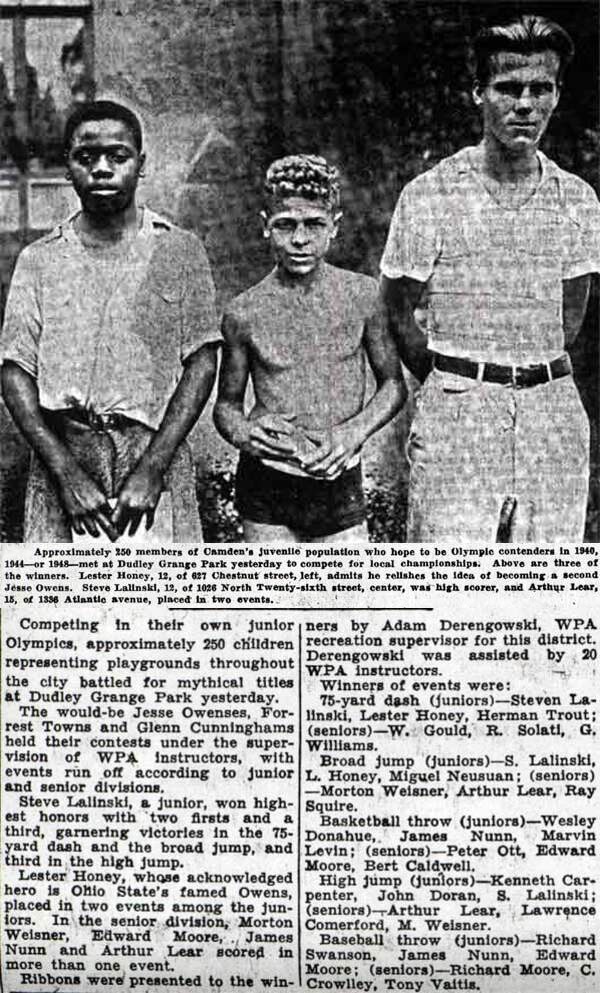
View transcription
Read the article: 250 Children Vie for Ribbons At Dudley Grange Track Meet
Westfield Acres and McGuire Gardens
Camden’s first public housing project was built along Westfield Avenue. Construction began in 1936, and the first families moved into their new homes in 1938. The Acres, as it came to be known, was a landmark until its demolition in 1999. It was rebuilt and renamed Baldwin’s Run, with the first families arriving in the spring of 2003.
See Westfield Acres and McGuire Gardens.
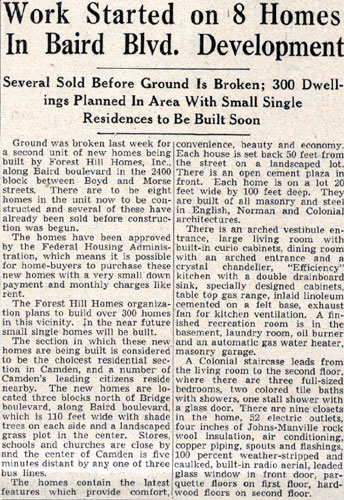
2400 Block of Baird Boulevard
Ground Broken for New Homes
Camden Courier-Post, June 19, 1939
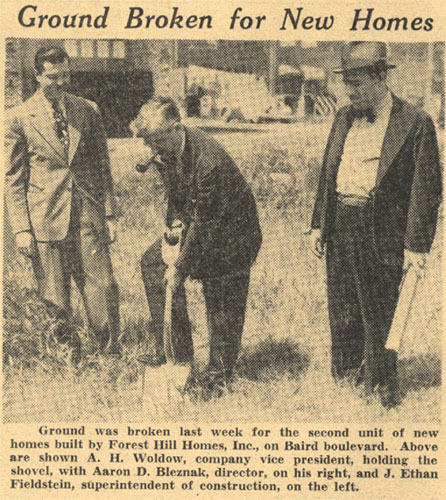
View transcription
Read the article: Ground Broken for New Homes
Work Started on 8 Homes In Baird Blvd. Development
Camden Courier-Post, June 19, 1939
View transcription
Read the article: Work Started on 8 Homes In Baird Blvd. Development
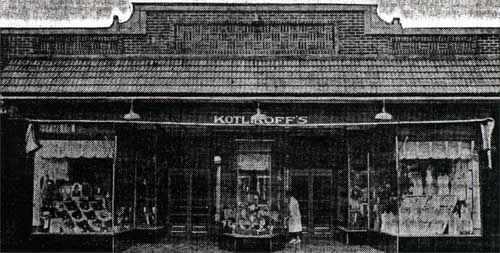
Kotlikoff's
View transcription
East Camden Woman's Club Plans Social Program — June 14, 1933
Read the article: East Camden Woman's Club Plans Social Program
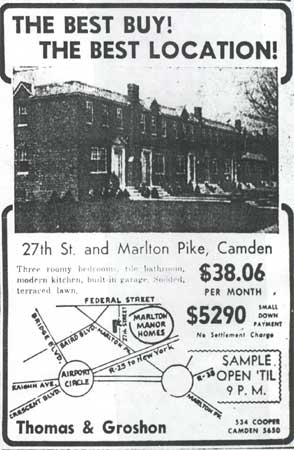
Marlton Manor Homes Advertisement
Camden Courier-Post, May 19, 1942
View transcription
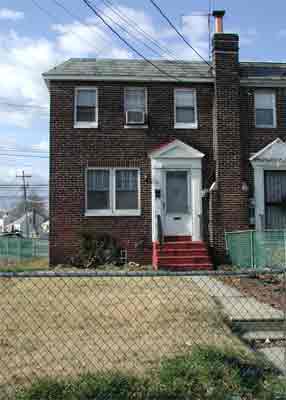
383 South 27th Street, June 2002
Jill Petris Lamparella Writes About East Camden
Read the account: East Camden Memories (March 2008)
An East Camden Memory — Angelo Forte, September 26, 2004
Read the account: A Memory of East Camden
Tony the Barber — Ron Blizard, August 2009
Ron Blizard’s memory of Tony the Barber’s shop on Westfield Avenue is part of East Camden Memories.
Mrs. Molotsky — Ron Blizard, August 2009
Ron Blizard’s memory of Mrs. Molotsky, his fourth-grade teacher at Garfield Elementary School, is part of East Camden Memories.
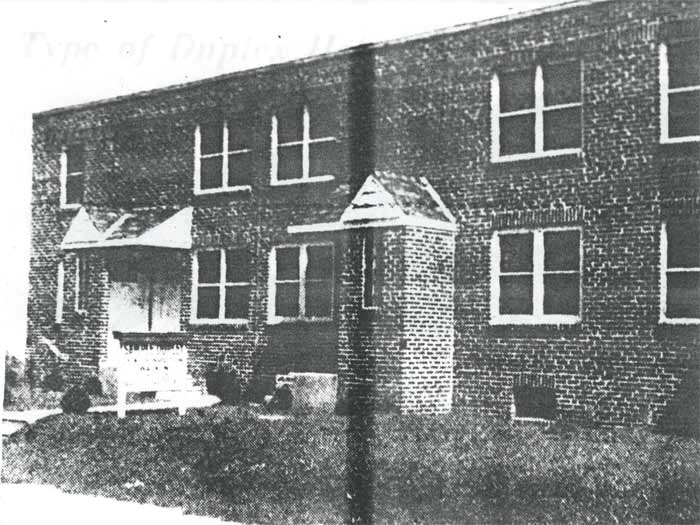
412 Morse Street
Duplex home at 412 Morse Street, Camden Courier-Post, October 8, 1947
View transcription
Camden Courier-Post, October 8, 1947

View transcription
Local Businesses
Panzarottis!
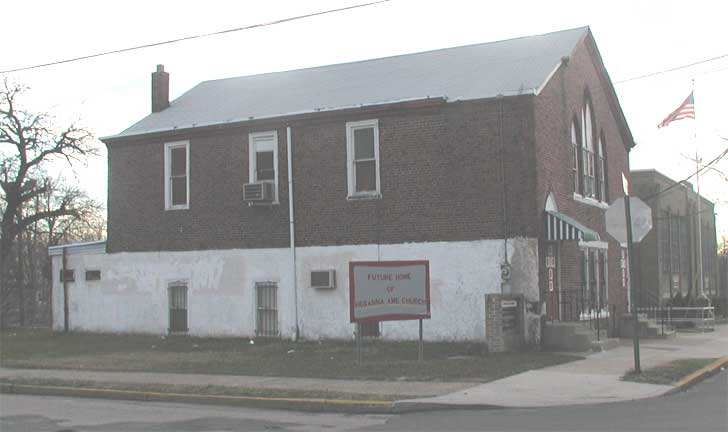
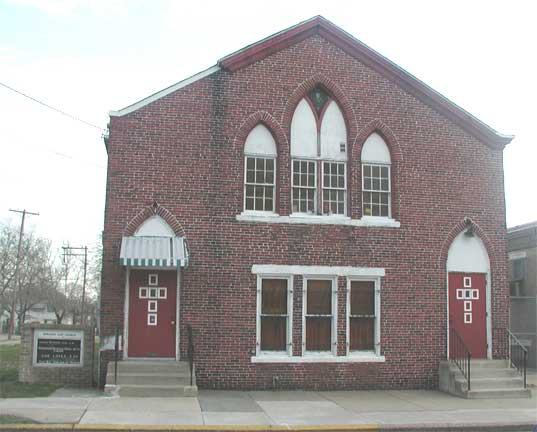
Hosanna African Methodist Episcopal Church
Hosanna African Methodist Episcopal Church, 30th and Saunders Street
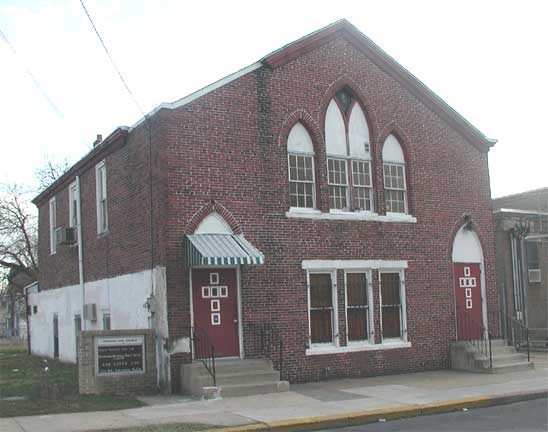
Hosanna African Methodist Episcopal Church, 30th & Saunders Street
View transcription
Hosanna African Methodist Episcopal Church, 30th & Saunders Street
12th Ward Athletic Association
See the 12th Ward Athletic Association.
Schools in East Camden and Cramer Hill
Schools in East Camden:
- Octavius V. Catto
- Woodrow Wilson High School
- Henry H. Davis
- Alfred Cramer
- East Camden Middle
- Thomas H. Dudley
- James A. Garfield (gone)
- Francis X. McGraw
- William McKinley (gone)
- St. Joseph’s Parochial
Schools in Cramer Hill:
- George Washington
- Veterans Jr. High
- Harry C. Sharp
- Beideman (gone)
- James G. Blaine (gone)
Read the article: Public Is Invited to Jobless Gardens
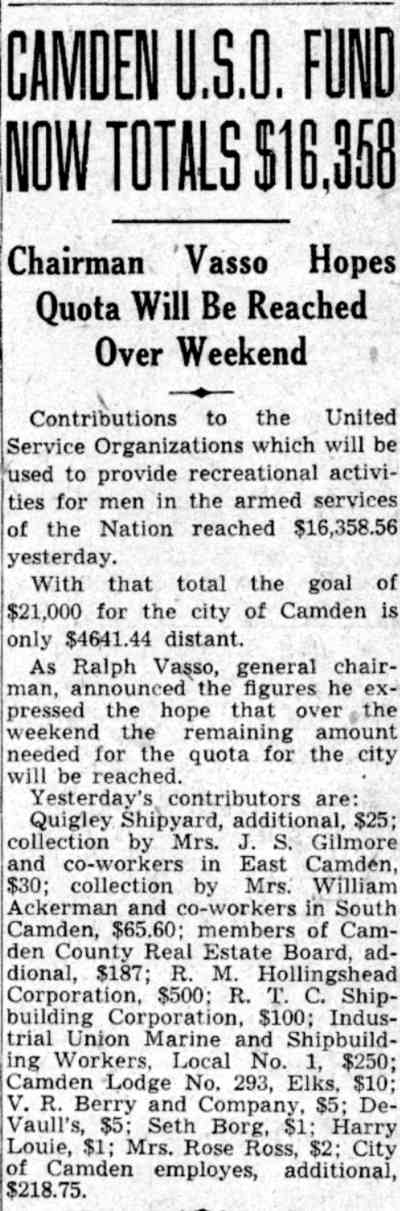
Camden U.S.O. Fund Now Totals $16,358
Camden Courier-Post, July 26, 1941
View transcription
Read the article: Camden U.S.O. Fund Now Totals $16,358
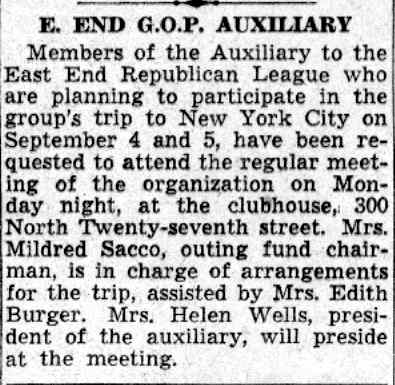
E. End G.O.P. Auxiliary
Camden Courier-Post, July 26, 1941
View transcription
Read the article: E. End G.O.P. Auxiliary
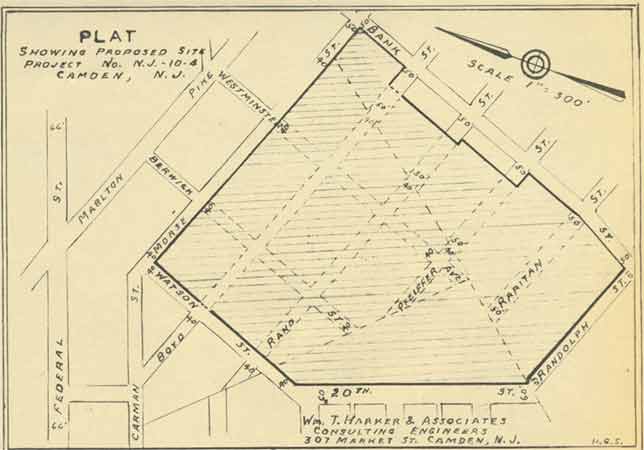
Plat Showing Proposed Site, Project No. N.J.-10-4, Camden, N. J.
Plat, February 14, 1951
View transcription
Read the article: Plat Showing Proposed Site, Project No. N.J.-10-4, Camden, N. J.
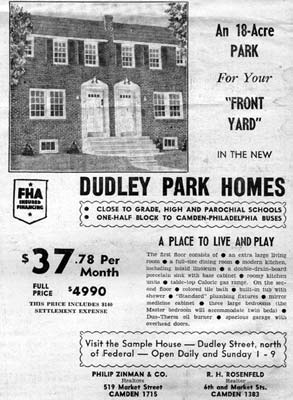
Dudley Park Homes
Camden Courier-Post, May 14, 1952
View transcription
Read the article: Dudley Park Homes
Notes — Dudley Park Homes
These homes, the one-block row opposite Dudley Grange Park on Dudley Street between Federal Street and Westfield Avenue, were completed and first occupied in 1952, and were among the last built in Camden’s “classic” era.
Cooper Street in East Camden
See Cooper Street in East Camden — the “other” Cooper Street.
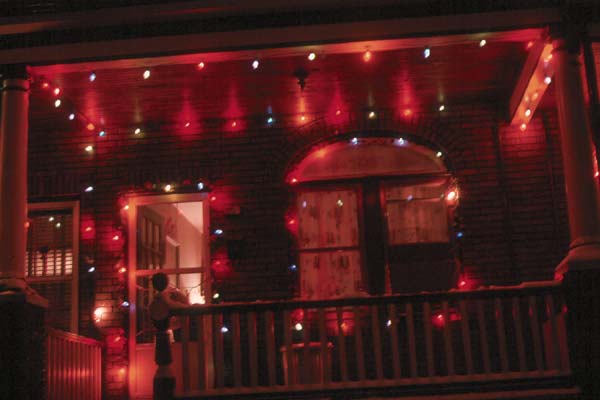
152 Eutaw Street — Christmas 1961
152 Eutaw Street, Christmas 1961. Courtesy of Tom Probst.
Houses for Sale — November 30, 1965
See Houses for Sale — November 30, 1965, as advertised in local newspapers that day.
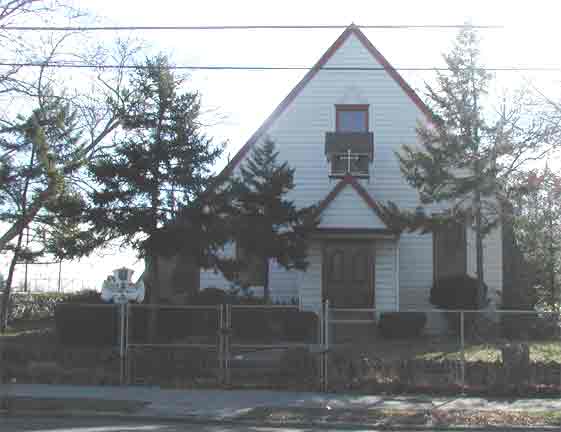
St. Wilfrid's Church (Episcopal)
St. Wilfrid's Episcopal Church, Westfield Avenue & Dudley Street, photographed December 21, 2002
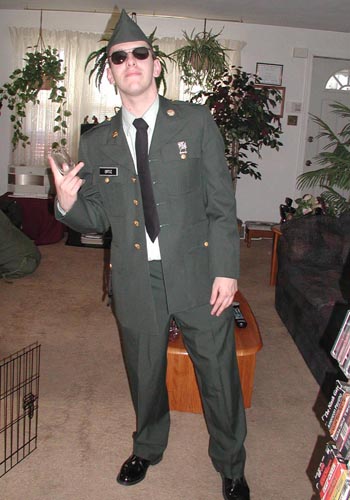
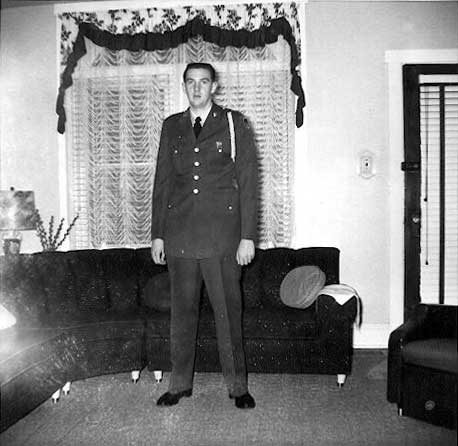
A Few East Camden People — Our Soldiers!
Frederick Aaron Ortiz, 428 South 30th Street
SP4 Charles Moy, 3177 Rosedale Avenue. Wildflecken, Germany, 1962.
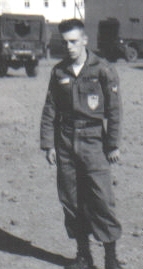
“I was still the gunner on a 106mm R.R. crew at that time. Made Sgt. E5, not long after, and became Squad Leader.”
Tom Probst, 152 Eutaw Avenue - 1959
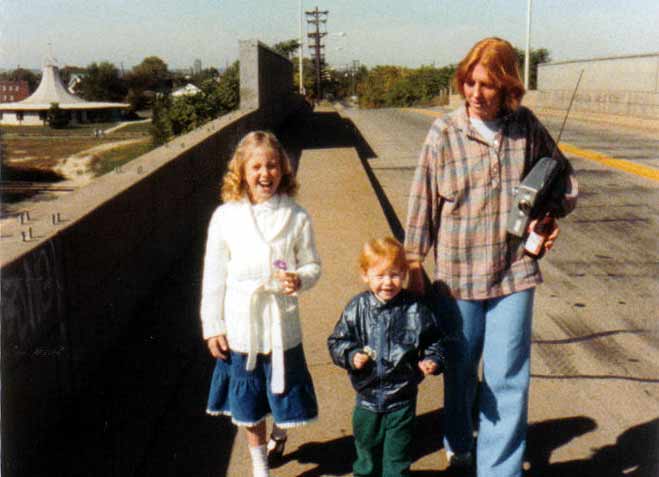
North 36th Street Bridge — 1980
Looking west towards Cramer Hill on the North 36th Street bridge, 1980. Photograph courtesy of Floyd L. Miller Jr.
The Campbell Soup Warehouse in East Camden
If Mrs. Miller and the kids had looked to their left, this is what they would have seen!
The railroad side of the Campbell Soup warehouse
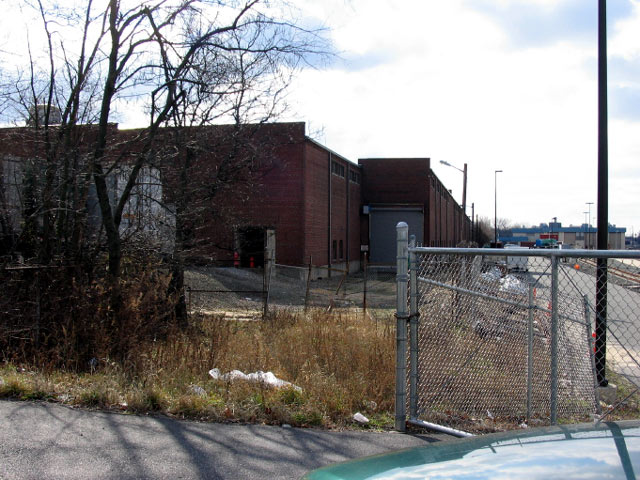
This entrance to the Campbell Soup warehouse is now used as the entrance to the 36th Street Station on the Camden-to-Trenton Riverline
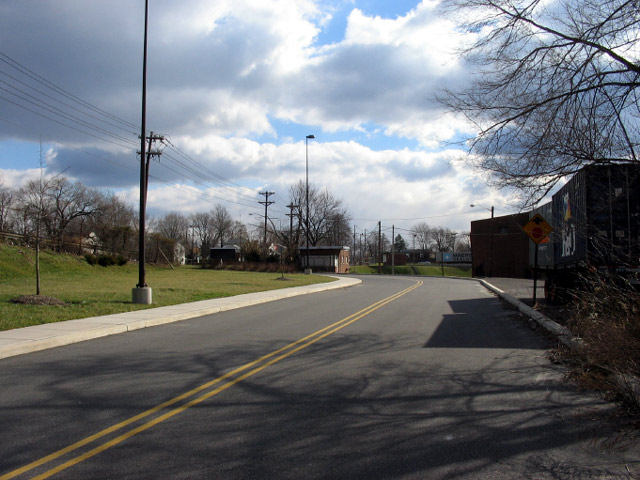
The Campbell Soup Warehouse in East Camden. Photo by John Ciafrani, January 17, 2005
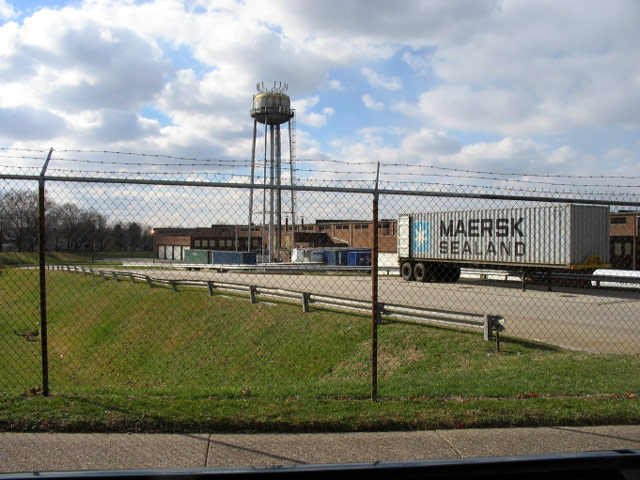
View transcription
The Campbell Soup Warehouse in East Camden. Photo by John Ciafrani, January 17, 2005
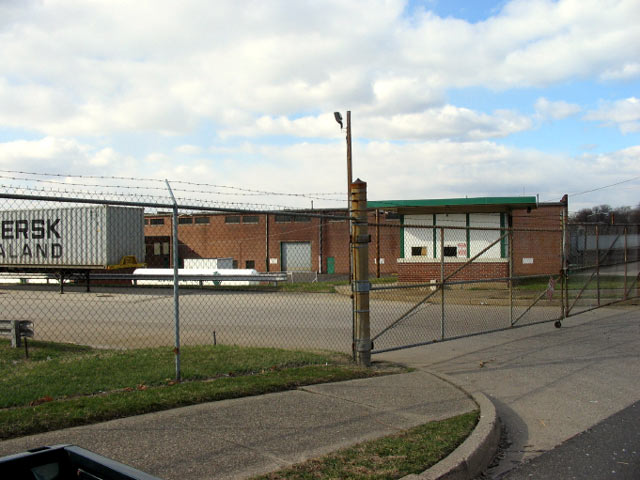
View transcription
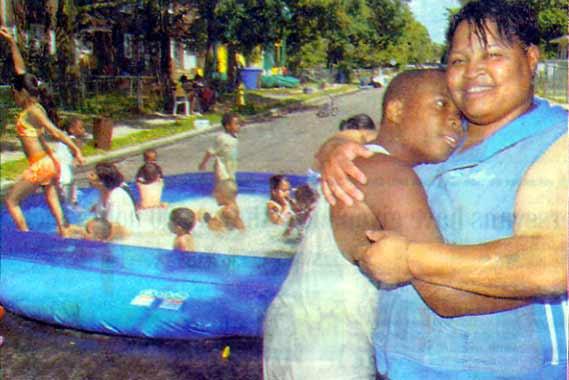
A Block Party on Pfeiffer Street — July 10, 2004
Karen Jackson, of the 400 block of Pfeiffer Street, organized the Summer Safe Drug Awareness Party block party to be held for neighborhood children on July 10, 2004.
Block Party on Pfeiffer Street, July 10, 2004
Contaminated Dirt Removed from Camden
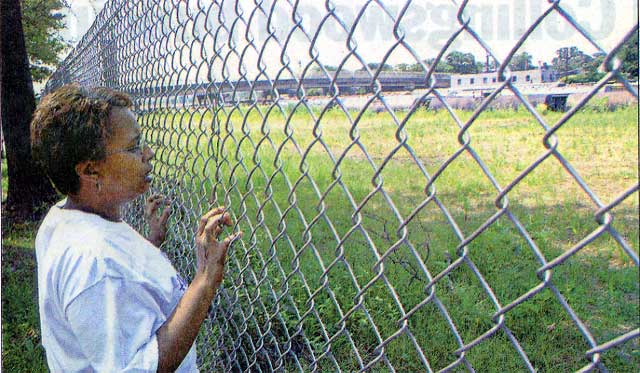
NJ Transit contaminated dirt berms in East Camden, Camden Courier-Post, August 4, 2004
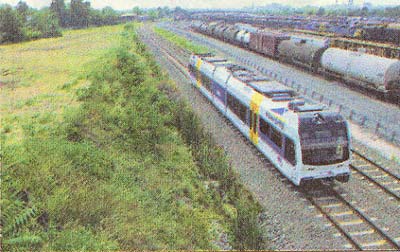
NJ Transit contaminated dirt in East Camden, Camden Courier-Post, August 4, 2004
View transcription
One of the “fun” things about growing up in East Camden was being able to watch the trains that run through it. During construction of “The River Line,” the light rail line that runs from Camden to Trenton, New Jersey Transit dumped tons of dirt along the tracks between 27th and 36th Streets, effectively blocking the view. Worse yet, the dirt was contaminated with PCBs and other toxic substances.
Led by the Eastside Civic Association, news articles, resident protests, and the intervention of state legislators led to the removal of the contaminated dirt.
Read the article: Contaminated Dirt Removed from Camden
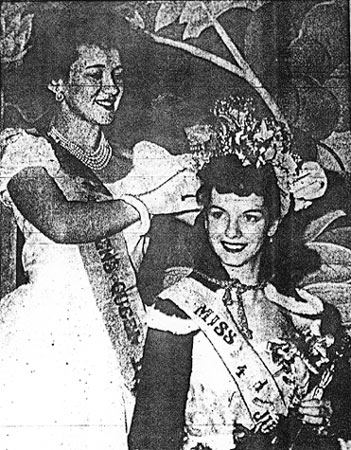
Pretty Brunette Wins Queen Title In East Camden
Pretty Brunette Wins Queen Title In East Camden
Miss Julia Pusatere, Queen of East Camden, Camden Courier-Post, June 28, 1950
View transcription
Read the article: Pretty Brunette Wins Queen Title In East Camden
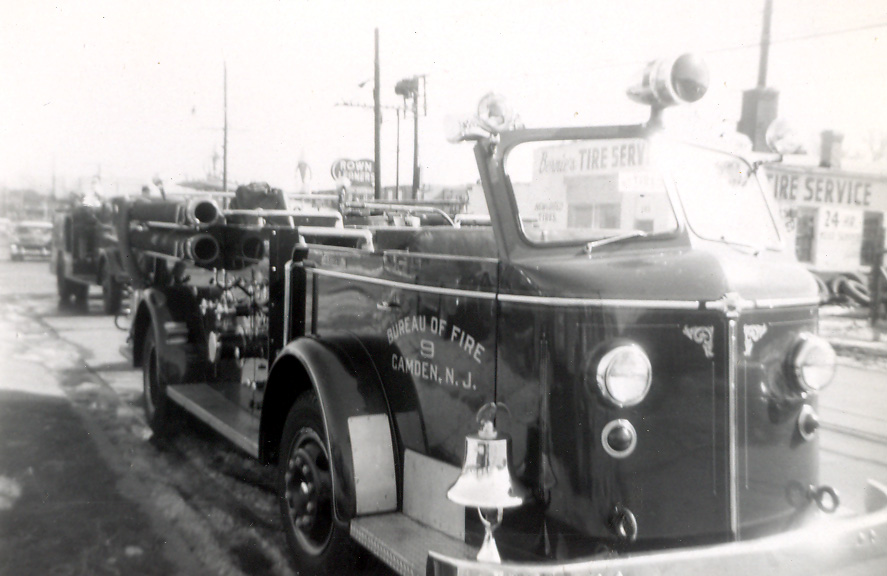
Camden Fire Department on Marlton Pike — 1960
Camden Fire Department, May 1960
View transcription
Ladder 3 turning onto Westminster Street, May 1960
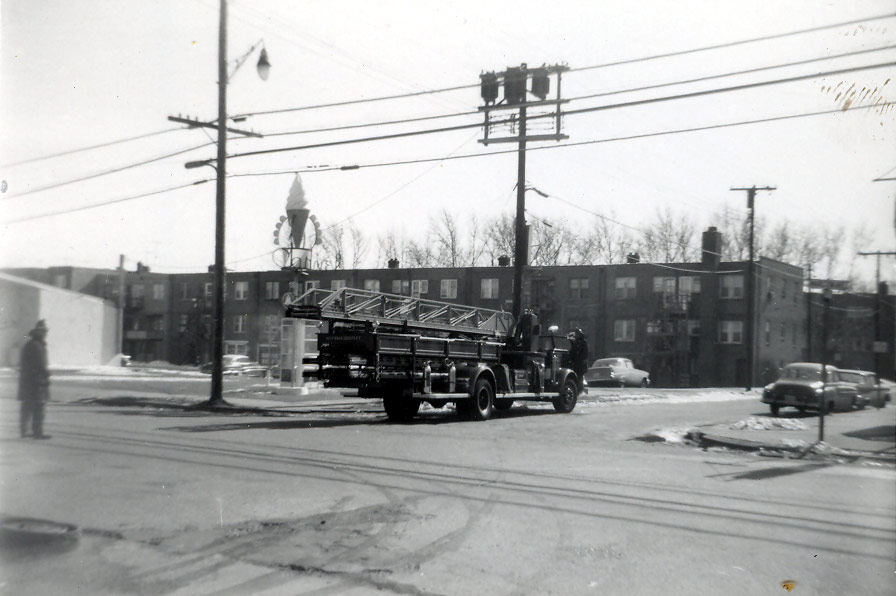
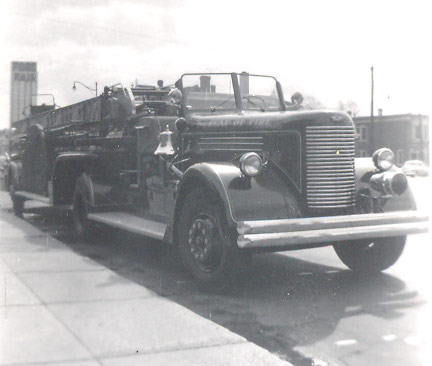
1947 Pirsch 100-foot Aerial, Ladder 2 or Ladder 3, parked on Federal Street below 27th Street, 1950s or 1960s
View transcription
The 34th & 35th East Side Gang!
The 34th & 35th East Side Gang, East Camden, 1991
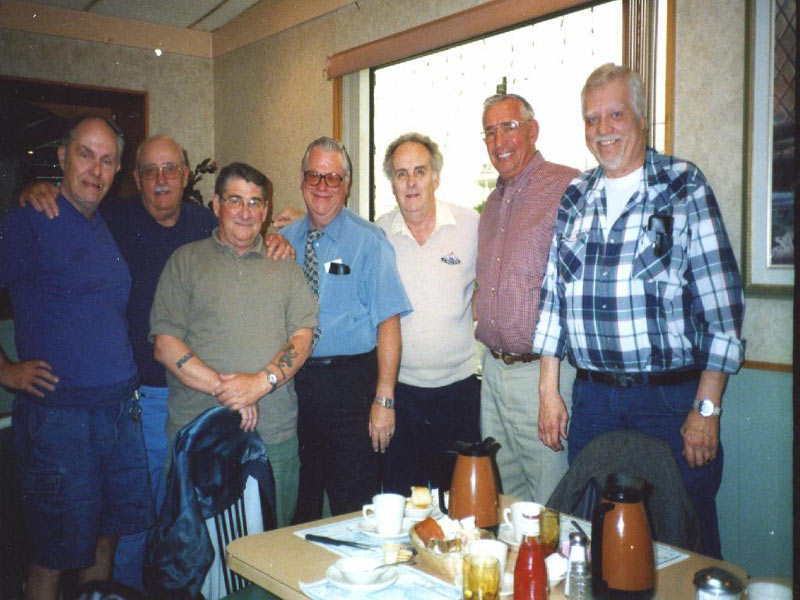
Not to be confused with the notorious North Cramer Hill Gang (those guys pulled stickups!), this fine group of lifelong friends grew up in East Camden in the 1940s and ’50s, in the 500 and 600 blocks of North 34th and North 35th Streets. As they say, you can take the boy out of Camden, but you can’t take the Camden out of the boy. This photo was taken in 1991. From left to right: Don Thorne, Bill Chalmers, George Parks, Don Joyce, Bob Bartosz, Bill Emenecker and Ray Kerby.
Federal Street East of 33rd Street
Federal Street east of 33rd Street, May 15, 1956
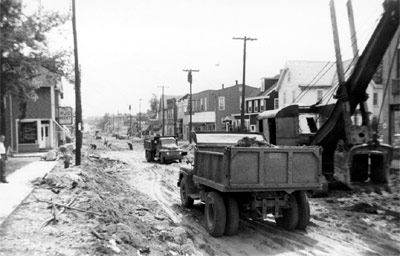
This May 15, 1956 photo by Bob Bartosz shows work being done on Federal Street from 33rd Street east to Route 130.
2400 Block of Federal Street
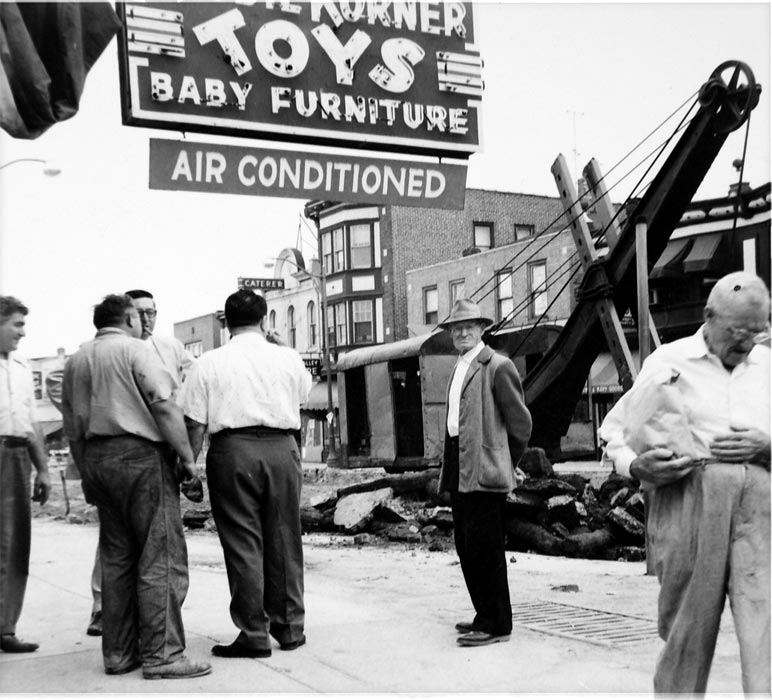
2400 block of Federal Street, East Camden, mid-1950s
View transcription
This mid-1950s photo from Leehman Wexlin was probably taken by his father, Charles, who owned the M & H Sweet Shop at 2406 Federal Street in the 1950s. This looks like the same steam shovel as in the photo of Federal Street east of 33rd Street.
2413 Federal Street, East Camden, mid-1950s
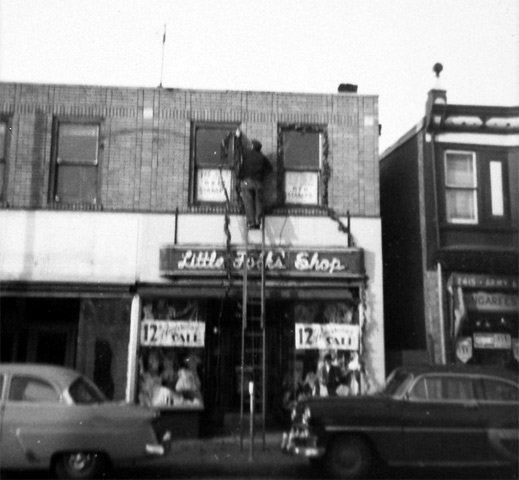
View transcription
This mid-1950s photo of 2413 Federal Street came from Leehman Wexlin and was probably taken by his father, Charles, who owned the M & H Sweet Shop at 2406 Federal Street in the 1950s.
M&H Sweet Shop — 2406 Federal Street
M&H Sweet Shop, 2406 Federal Street, East Camden
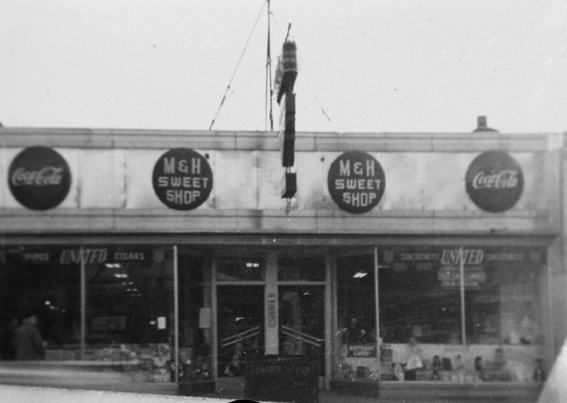
View transcription
M&H Sweet Shop parade car, Federal Street, East Camden, mid-1950s
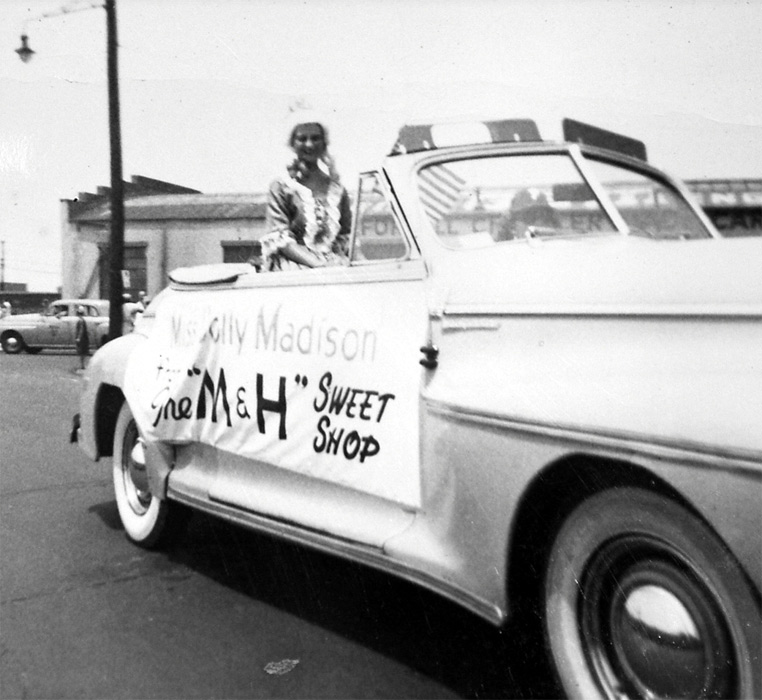
View transcription
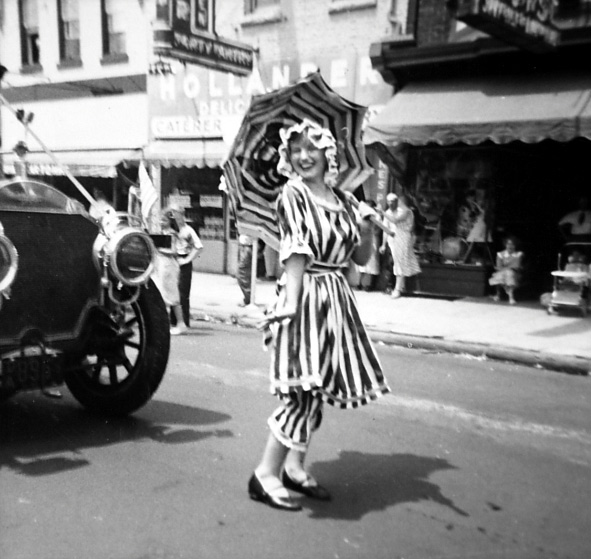
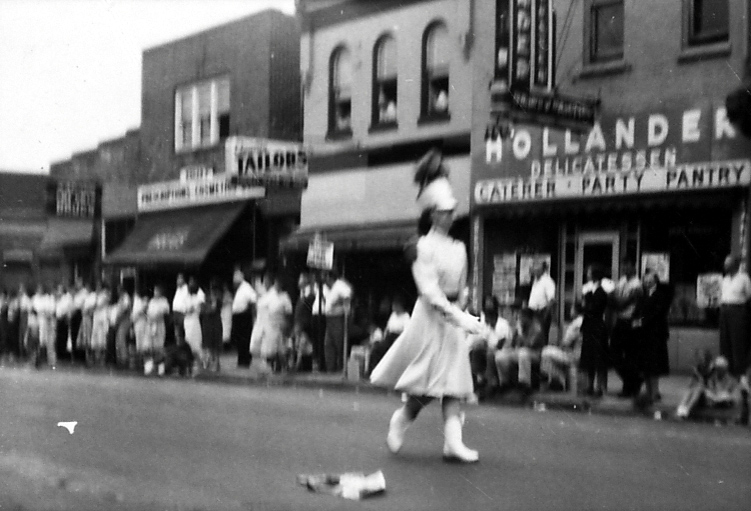
These mid-1950s parade photos came from Leehman Wexlin and were probably taken by his father, Charles, who owned the M & H Sweet Shop at 2406 Federal Street in the 1950s.
Parade on Federal Street, East Camden, mid-1950s
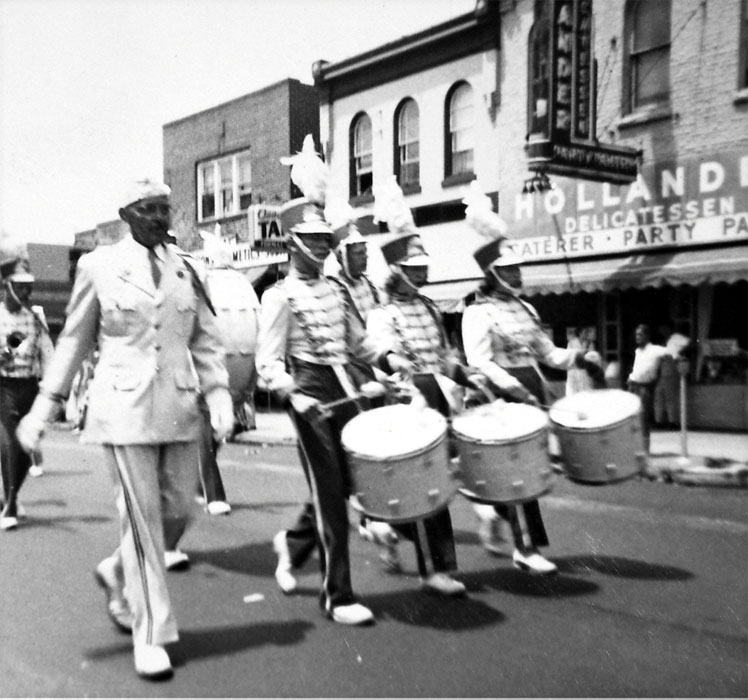
View transcription
Parade on Federal Street, East Camden, mid-1950s
View transcription
M&H Sweet Shop, 2406 Federal Street — Parade scenes from the mid-1950s
View transcription
Geraldine Cohen Seinberg’s Memories of East Camden
Read the full memoir by Geraldine Cohen Seinberg about growing up on Morse Street in East Camden.
Harry McCurdy’s Memories
“I had my first job at Kotlikoff’s, at 25th and Federal. They hired me as a part-time stock boy, after school. But not until I got my ‘working papers’ (do kids today need working papers?).” — Harry McCurdy, March 2007
Moishe Ostroff’s Butcher Shop
“My father, Morris Ostroff, had a kosher butcher shop at 280 Marlton Pike, Camden, New Jersey, and was loved by all. He was born in 1916 and died in 1970.” — Janice Schwartz, October 2009